

Newer
Heatsink Calculator Guide: How to Estimate Heat Sink Size and Thermal Resistance
A heat sink clip helps secure a cooling assembly and maintain reliable contact between a heat sink and an electronic component. Choosing an unsuitable clip can compromise mounting stability, complicate assembly, and affect long term product reliability. Understanding the relationship between clip design and application requirements helps engineers select a suitable mounting solution for their thermal management systems.
Start by checking the semiconductor package dimensions, heat sink base, mounting points, and available installation space. The clip must engage securely without obstructing circuit traces, connectors, or neighboring components.
For custom mounting structures, stamped metal parts may provide suitable geometries for brackets, tabs, and other metal components used in electronic assemblies. Confirm dimensional compatibility before finalizing the design.

A heat sink clip must provide sufficient force to maintain contact without damaging the component or circuit board. Insufficient force may allow movement and compromise the thermal interface, while excessive force can cause mechanical stress or deformation.
Follow the component manufacturer’s mounting specifications and the thermal interface material supplier’s recommendations. The required force depends on the component package, mounting structure, and interface material rather than simply maximizing pressure.
Wire form clips can provide compact retention for compatible discrete power components. Frame style retainers may distribute loads around larger packages, while spring loaded push pin assemblies can suit circuit boards with dedicated mounting holes.
Each design has different clearance, installation, and retention requirements. Evaluate the component package, mounting geometry, and available board space before choosing a clip. Confirm compatibility with the actual assembly rather than assuming one design fits every application.
The heat sink base, mounting grooves, and fin arrangement determine how a clip can engage securely. The clip should transfer force through designated mounting surfaces rather than applying pressure to delicate fins or unsupported edges.
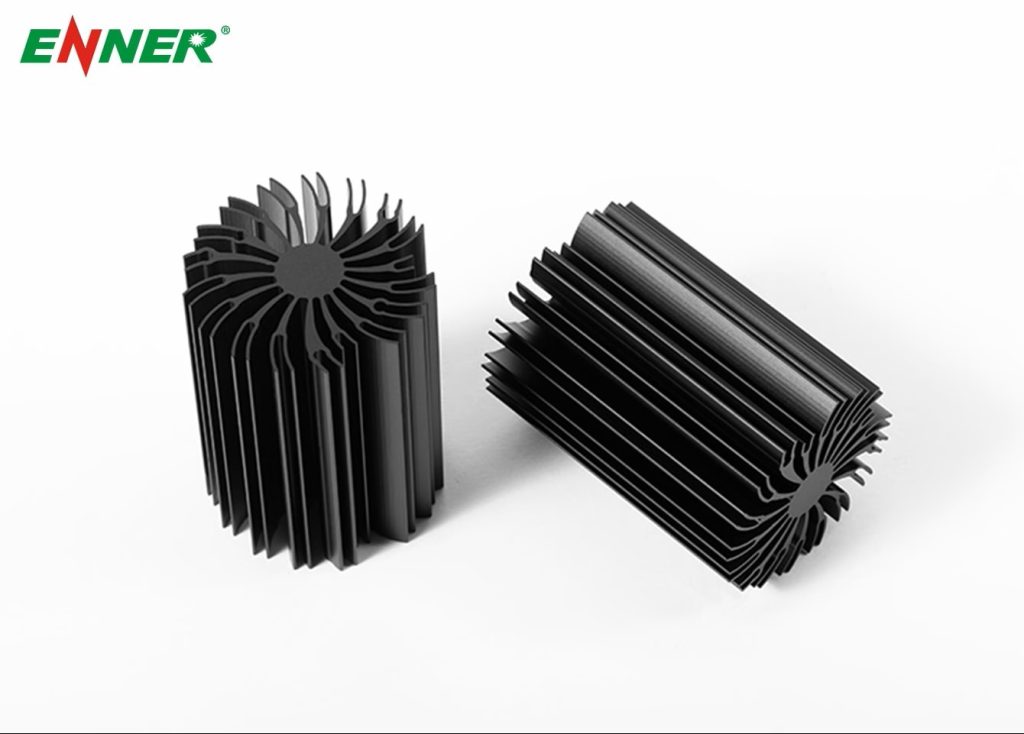
Extruded aluminum heat sinks are available in different profile geometries. Check the selected heat sink’s dimensions and attachment features to ensure that the clip fits correctly without obstructing airflow or surrounding components.

Spring steel, stainless steel, and other spring alloys may suit different operating conditions. Material selection depends on elasticity, fatigue resistance, corrosion exposure, operating temperature, and electrical requirements.
For industrial or outdoor electronics, consider moisture, chemicals, and temperature fluctuations. If the clip is conductive, verify electrical clearances and insulation requirements to prevent unintended contact with active circuitry.
A clip’s clamping force changes with deflection. The intended installation displacement should remain within the material’s elastic range while providing sufficient retention across manufacturing tolerances.
Repeated installation, sustained loading, and elevated temperatures can affect spring performance. Reviewing force versus deflection data helps engineers determine whether the clip can maintain the required load without permanent deformation. Testing representative assemblies can identify potential issues before production.
Heat sinks, clips, circuit boards, and semiconductor packages may expand at different rates as temperatures change. The mounting system should accommodate expected movement without loosening or placing excessive stress on sensitive components.
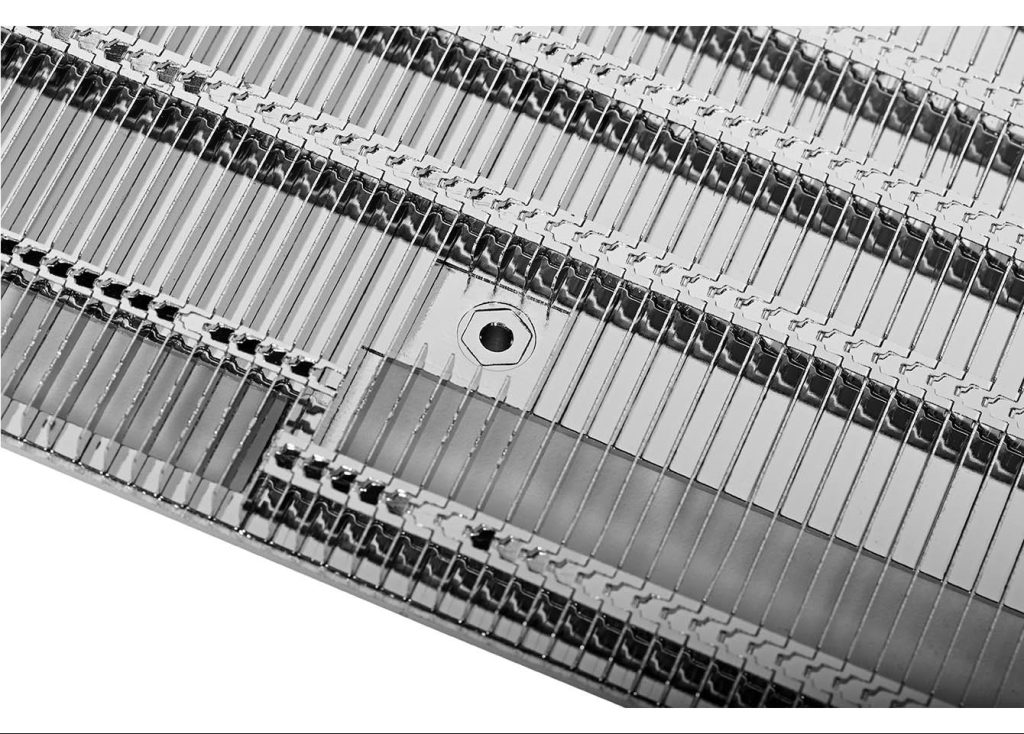
For compact cooling assemblies, skived heat sinks offer high fin density for applications with limited space. Ensure that the selected clip applies force to the designated base or mounting area rather than the thin fins.

Vibration, mechanical shock, and repeated heating and cooling can affect mounting stability over time. These conditions may cause clips to shift, lose retention force, or allow movement at the thermal interface.
Test the complete assembly under representative operating conditions. Inspect for displacement, permanent deformation, and changes in thermal performance. Testing should reflect the intended application’s mechanical loads and environmental demands.
No. Excessive clamping force can damage the component or circuit board. The appropriate force depends on package specifications, thermal interface requirements, and clip design.
Not always. Differences in base dimensions, mounting grooves, component height, and retention requirements can affect compatibility. Verify the complete assembly before installation.
Replace a clip if it shows permanent deformation, cracking, corrosion, loose engagement, or reduced retention force. Follow the manufacturer’s inspection and replacement recommendations.
Selecting the right heat sink clip requires matching mounting geometry, clamping force, material properties, and operating conditions to the application. For assistance with a custom cooling assembly, contact Enner’s engineering team to discuss your design and manufacturing requirements.