

Newer
Round Heat Sink Design: Key Considerations for Compact Electronic Applications
Choosing between a heat spreader and a heat sink depends on how heat moves through an electronic system. Understanding their different functions helps engineers select a cooling solution that meets thermal requirements while balancing space, airflow, and cost.
A heat spreader distributes concentrated heat across a larger surface to reduce localized hotspots. Common options include copper plates, graphite sheets, and vapor chambers. Vapor chambers use evaporation and condensation to spread heat within a sealed structure.
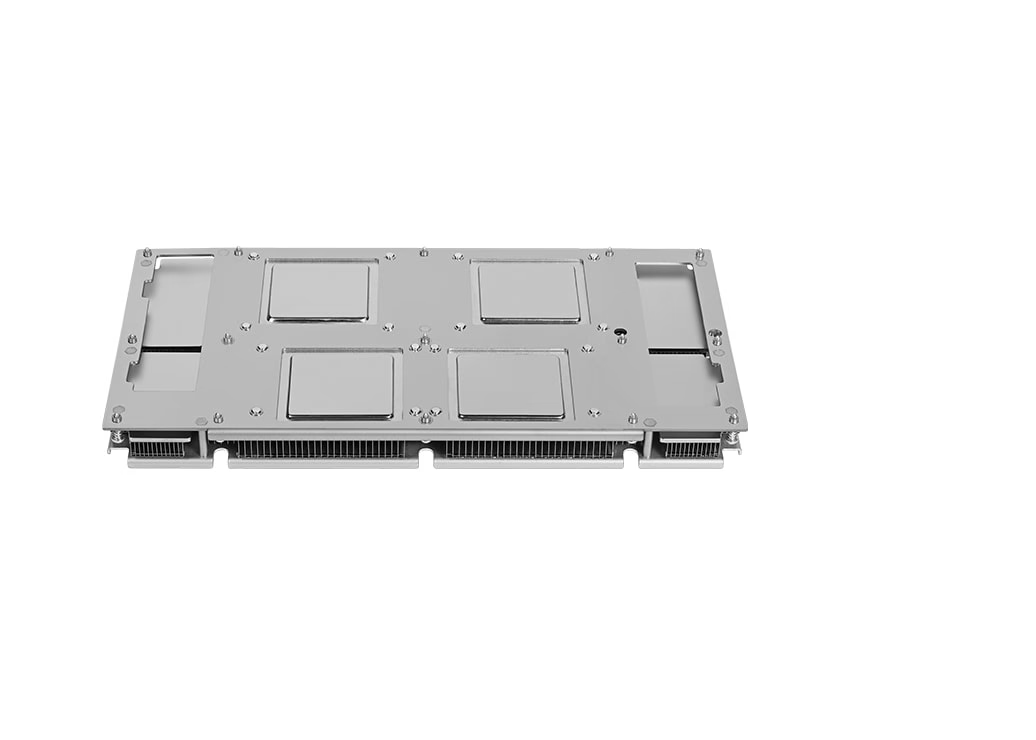
For compact electronics with concentrated heat loads, vapor chamber heat sinks can help distribute heat across a cooling surface before it is dissipated.
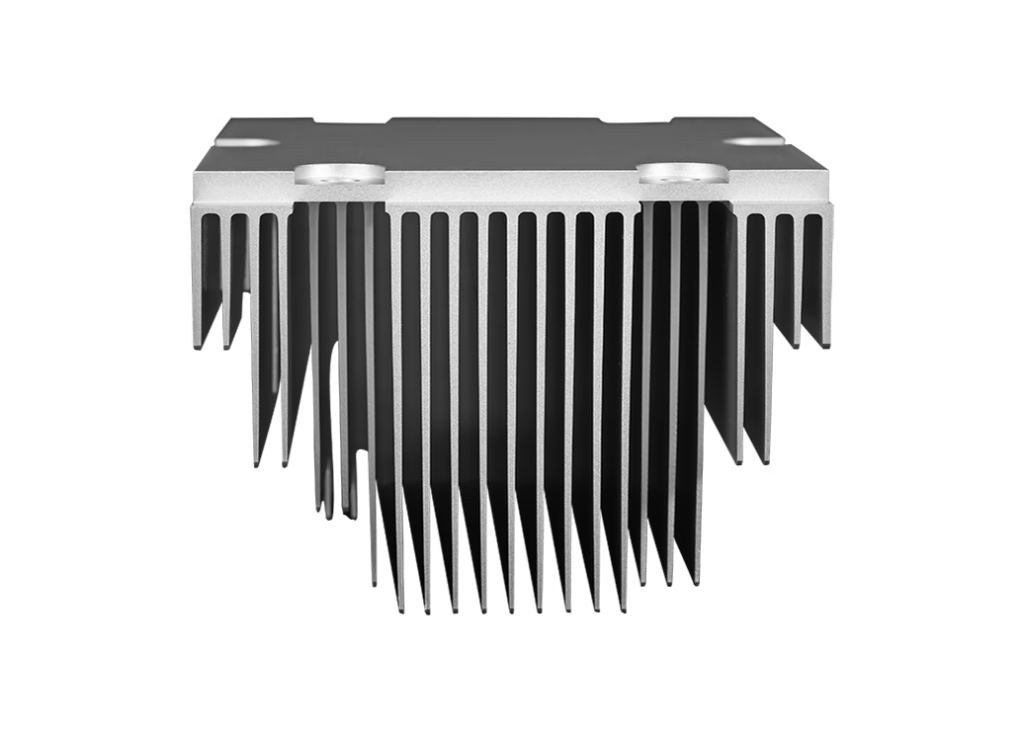
A heat sink transfers heat from a component to the surrounding air or another cooling medium. Its base receives heat, while fins increase the surface area available for heat exchange.
Cooling performance depends on material conductivity, fin design, airflow, and contact quality between the heat source and the heat sink.
| Factor | Heat Spreader | Heat Sink |
| Main function | Distributes localized heat | Releases heat to the surroundings |
| Typical structure | Plate, sheet, or vapor chamber | Base with fins |
| Thermal role | Reduces temperature differences | Increases heat dissipation |
| Common materials | Copper, graphite | Aluminum, copper |
A heat spreader distributes heat, while a heat sink helps remove it from the system. Depending on the application, either component may be sufficient, or both may be needed.
Copper offers high thermal conductivity but adds weight and cost. Aluminum is lighter and often more economical, making it common in electronic cooling applications. Vapor chambers are another option when heat needs to spread across a relatively flat surface.
The best choice depends on heat load, component dimensions, operating conditions, and the thermal resistance of the complete assembly.
Fin height, thickness, spacing, and orientation affect heat transfer and airflow. Extruded aluminum heat sinks offer a practical option for applications that fit standardized profiles.
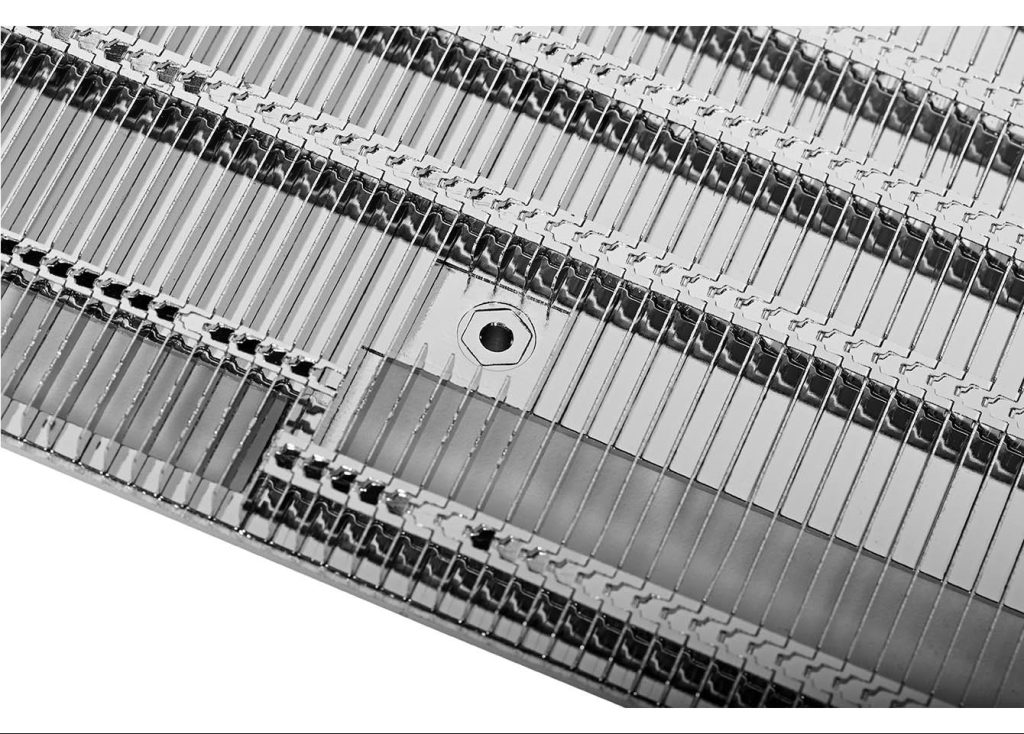
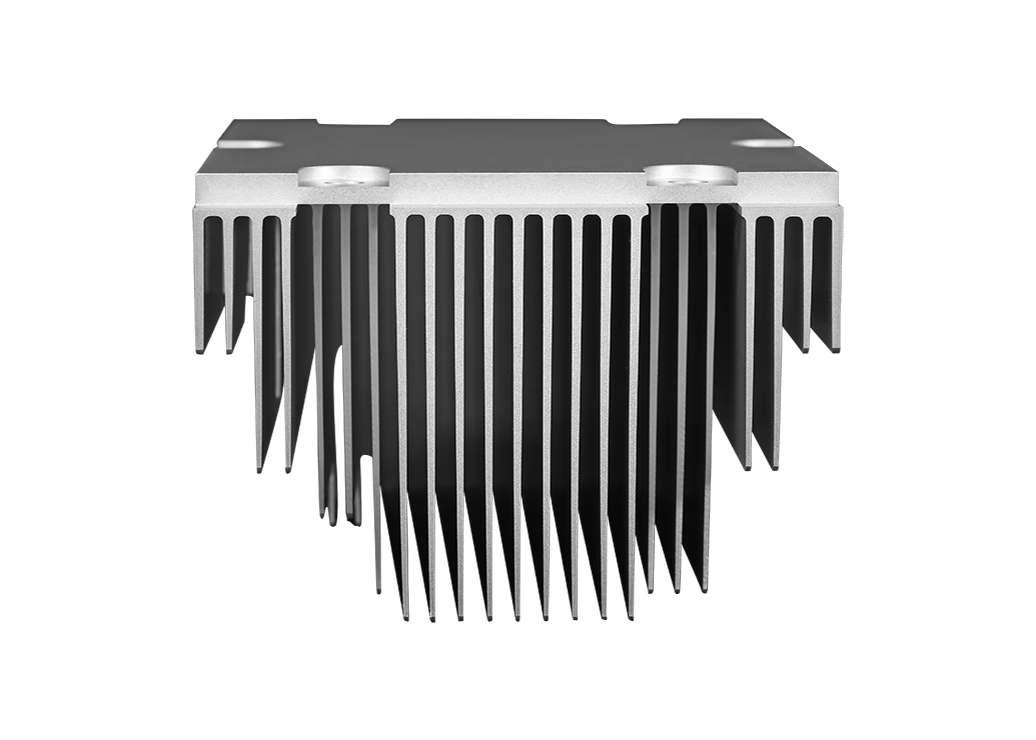
For compact systems requiring closely spaced fins, skived heat sinks can provide additional heat transfer surface within a limited footprint. Their suitability depends on the required dimensions, airflow, and thermal performance.
More fins do not always improve cooling. Restricted airflow or poor contact with the heat source can limit the benefits of additional surface area.
Consider power dissipation, ambient temperature, maximum allowable component temperature, and heat flux. A localized hotspot may require better heat spreading, while insufficient heat rejection may call for a heat sink or a more effective cooling system.
Thermal resistance helps assess the complete heat transfer path. A spreader can reduce local temperature differences, but heat must still leave the system.
Thin devices may use a spreader to transfer heat toward a chassis or larger cooling surface. Systems with adequate clearance and airflow may benefit from finned heat sinks.
Sealed enclosures require careful consideration of heat conduction through the housing. Material, wall thickness, interface quality, and external airflow all influence cooling performance.
Compare material costs, tooling, machining complexity, assembly, and production volume. Standard aluminum profiles may suit high-volume applications, while vapor chambers or skived structures may be justified when space or thermal requirements are more demanding.
Evaluate the complete cooling solution rather than component price alone to avoid unnecessary materials or assembly costs.
A spreader can distribute concentrated heat across a heat sink base, allowing more of the cooling surface to contribute to heat dissipation. This arrangement may benefit processors, power electronics, and telecommunications equipment.
The complete assembly should be tested under representative operating conditions to confirm that it meets temperature limits.
In sealed equipment, heat can travel through a conductive housing to an external surface without requiring ventilation through the enclosure. Performance depends on housing conductivity, interface quality, external surface area, and ambient conditions.
Thermal testing helps verify that internal components remain within their specified temperature limits.
Neither is universally better. A heat spreader distributes concentrated heat, while a heat sink transfers heat to the surroundings. The right choice depends on the thermal problem and system design.
Yes. A spreader can transfer heat toward a chassis or another surface that dissipates it. However, spreading heat alone does not guarantee adequate cooling, especially when the system has a high heat load.
Use both when a concentrated heat source needs to spread heat across a larger area before the heat is released to the surroundings. This combination can improve thermal management when properly designed and validated.
Heat spreaders distribute localized heat, while heat sinks dissipate it. Selection depends on heat load, space, airflow, materials, and cost. For application-specific cooling requirements, contact Enner’s engineering team to discuss a suitable solution.