



















Newer
Heat Spreader vs Heat Sink: Differences, Functions, and Selection Criteria
High-power electronics require thermal management solutions that can handle concentrated heat without compromising system reliability. A cold plate heat sink provides a direct path for transferring heat from electronic components to a circulating coolant. Its design must suit the equipment’s operating conditions, physical constraints, and cooling requirements.
Engineers must determine component heat output, maximum junction temperature, coolant inlet temperature, and thermal interface resistance before selecting a cold plate configuration. These factors establish the required thermal performance under normal and peak operating loads.
Uneven heat distribution also requires attention because localized hotspots can exceed component temperature limits even when average temperatures remain acceptable.
Coolant flow rate affects heat transfer, pressure drop, and pumping power. Increasing flow may improve convective cooling, but excessive hydraulic resistance can increase energy consumption and strain the pump.
Design targets should account for coolant properties, operating pressure, allowable pressure drop, and outlet temperature. Appropriate limits depend on the specific application rather than a universal set of values.
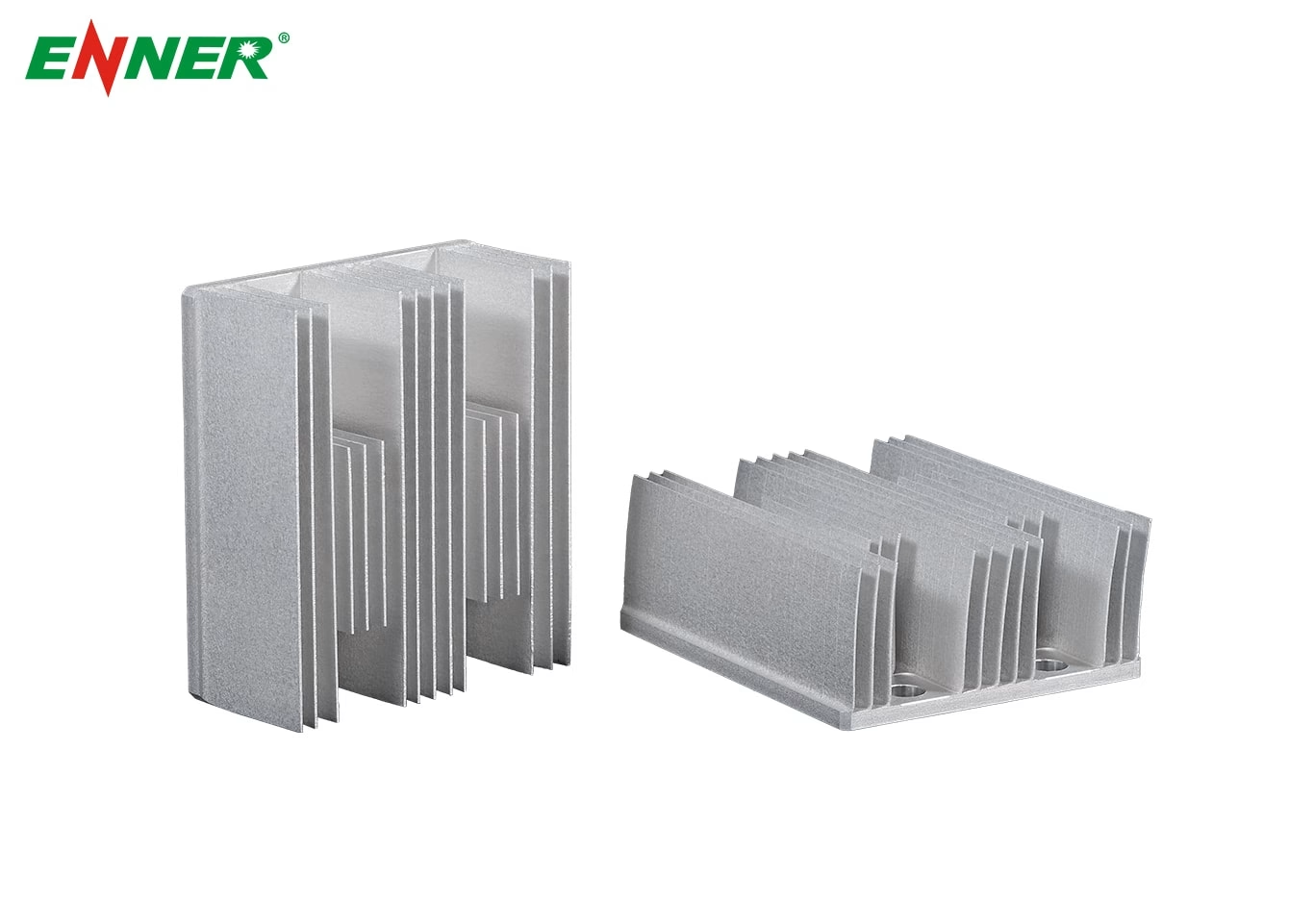
Channel width, height, spacing, and layout determine how coolant moves through the plate. Narrow passages can increase heat transfer area relative to coolant volume, but excessive restriction may raise pressure drop and increase blockage risks.
Parallel channels can distribute coolant across the heat source, while well-designed manifolds help reduce flow imbalance. Channel placement should also reflect the locations of high-power components.
Enner’s fluid cooled skived heatsink is a relevant reference for evaluating fluid cooling and dense fin structures. The suitability of any comparable structure depends on the required flow path, thermal load, and mechanical configuration.
The goal is to remove sufficient heat without creating excessive hydraulic resistance. Computational fluid dynamics (CFD) can help engineers assess coolant velocity, temperature distribution, and pressure drop before manufacturing prototypes.
Physical testing is then needed to verify predicted performance under representative operating conditions.
The best cooling method depends on heat density, available space, operating conditions, and maintenance requirements.
| Cooling method | Main advantage | Main limitation | Typical applications |
| Forced air cooling | Simple system architecture | Limited capacity at high heat densities | General electronics and power supplies |
| Heat pipe assemblies | Efficient heat transport | Performance depends on geometry and operating conditions | Telecom equipment and compact electronics |
| Vapor chamber systems | Spreads localized heat | Requires suitable integration and thermal contact | Processors and high-density modules |
| Liquid cold plates | Transfers heat to circulating coolant | Requires plumbing, pumping, and leak management | Industrial drives and power electronics |
Cold plates transfer heat to a coolant, while vapor chambers primarily spread heat across a surface through phase-change heat transfer. These technologies perform different functions and may complement each other in a thermal management system.
Enner’s vapor chamber heatsinks provide a relevant reference when evaluating heat spreading for compact electronic assemblies. The final choice depends on heat distribution, installation space, and the overall cooling architecture.
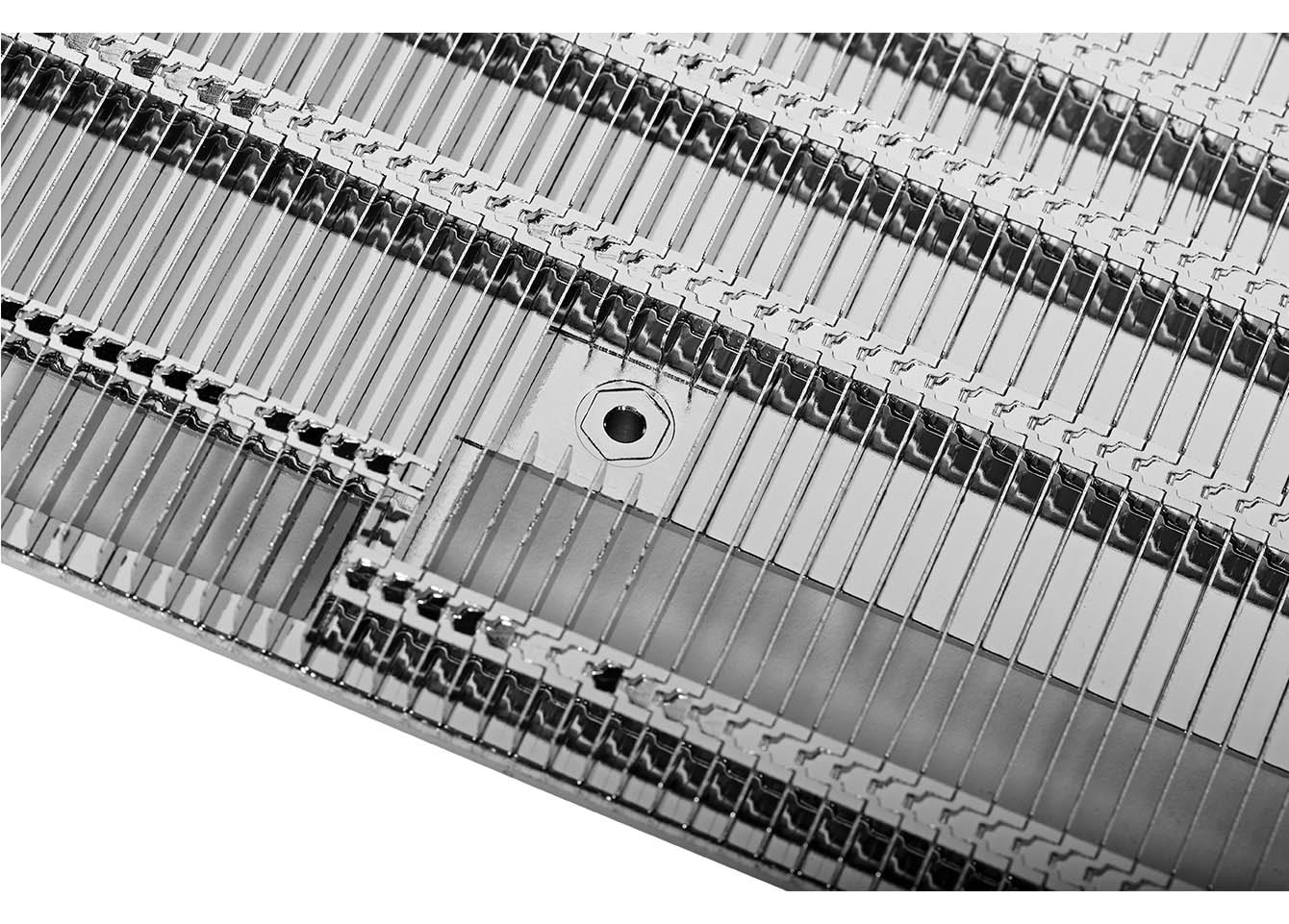
Copper offers higher thermal conductivity than aluminum, while aluminum generally provides lower weight and can reduce material costs. Selection should also account for mechanical strength, corrosion resistance, coolant compatibility, and manufacturing requirements.
When dissimilar metals are connected in a conductive coolant environment, galvanic corrosion may occur. Material compatibility and coolant chemistry should therefore be considered during the design stage.
Channel dimensions, mounting surface quality, and joint integrity affect thermal contact and leak prevention. CNC machining can produce accurate passages and interfaces, while suitable brazing or welding methods can create sealed assemblies. The appropriate process depends on the material, operating pressure, and channel design.
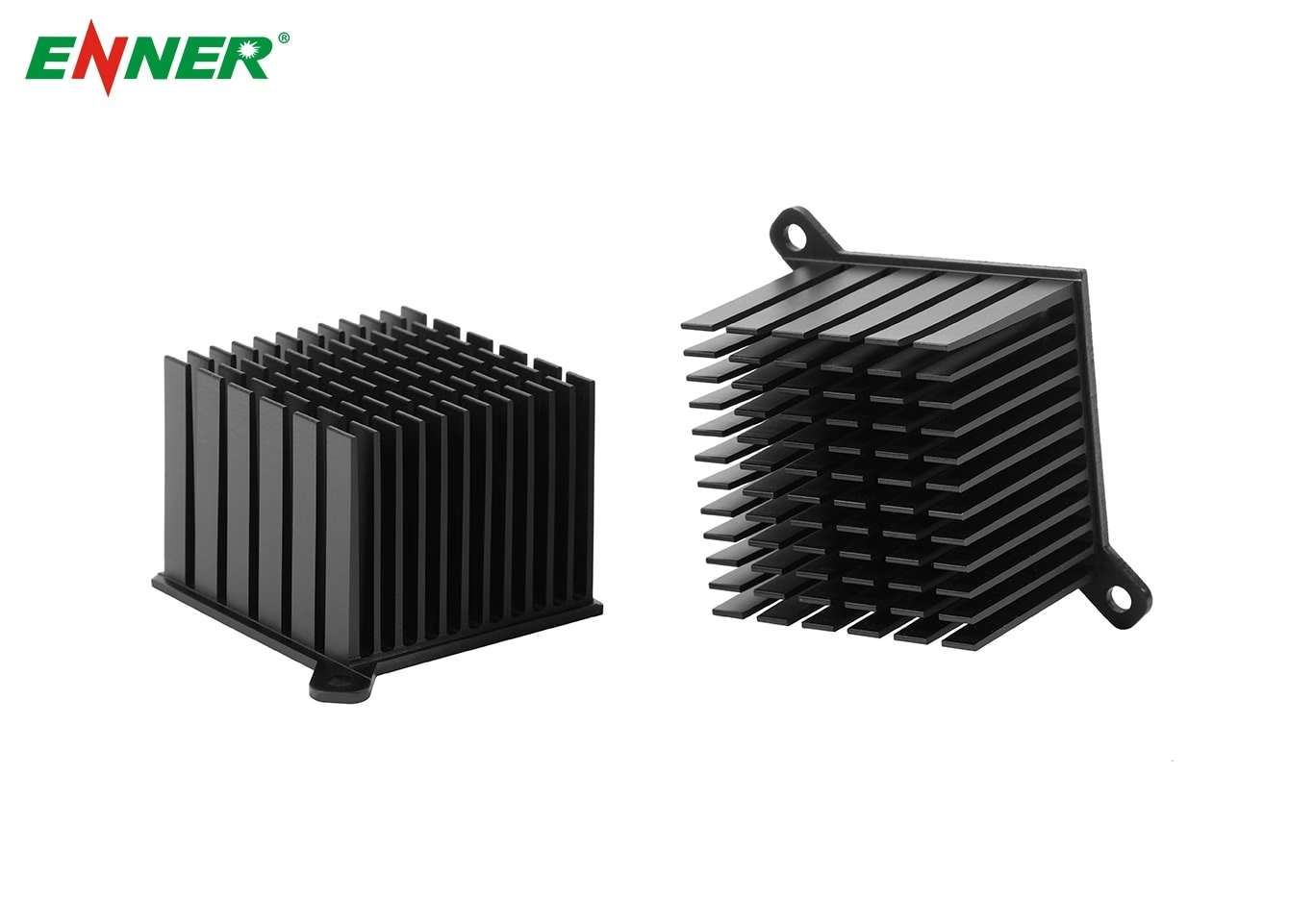
For related aluminum thermal management components, Enner’s extruded aluminum heat sinks provide a reference for fin profiles and heat sink construction. Extruded heat sinks and liquid cold plates are different structures, so the manufacturing method must match the intended application.
Testing should measure component temperatures, coolant inlet and outlet temperatures, flow rate, and pressure drop under defined operating conditions. These results help determine whether the cold plate meets its thermal targets without exceeding the cooling loop’s hydraulic limits.
Leak testing and proof pressure testing should follow the requirements of the specific assembly. Engineers should also check mounting pressure, surface contact, coolant cleanliness, channel blockage, and material compatibility.
For demanding applications, testing under representative loads and thermal cycling helps identify potential weaknesses before deployment.
Choosing the right cold plate heat sink requires balancing cooling performance, flow efficiency, and long-term reliability. For tailored thermal management solutions and manufacturing support, contact Enner to discuss your project requirements.