



















Newer
How to Choose the Right Heat Sink Clip for Secure Mounting and Reliable Thermal Performance
Heat sink thermal tape provides a convenient way to attach cooling components while supporting heat transfer across the bonding interface. Reliable results depend on selecting a suitable tape and understanding how its properties affect the finished assembly.
This guide covers the material, installation process, selection criteria, and factors that influence long-term bonding performance.
Heat sink thermal tape is a double-sided adhesive material designed to attach a heat sink to an electronic component. Depending on its formulation, it may contain thermally conductive fillers that support heat transfer through the adhesive layer. Its properties vary by material composition, thickness, and adhesive type.
Thermal tape serves two functions: securing the heat sink and providing a thermal interface between contacting surfaces.
It can fill small surface gaps that would otherwise trap air and impede heat transfer. However, the tape itself also creates thermal resistance, so its conductivity, thickness, and contact quality must be considered together.
Thermal tape is commonly considered for lightweight heat sinks in LED modules, controllers, and compact electronic assemblies.
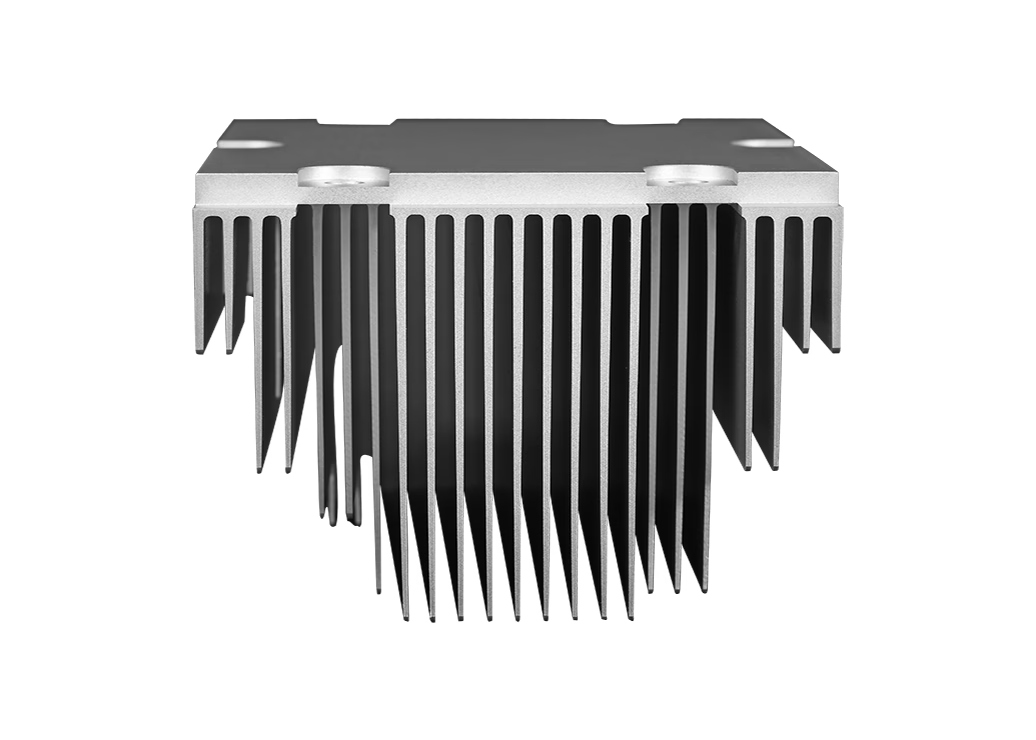
For example, extruded aluminum heat sinks offer lightweight construction and customizable fin profiles for electronic cooling. Heavier heat sinks, high heat loads, or applications involving substantial vibration may require additional mechanical retention.
Remove dust, grease, fingerprints, and other contaminants using a cleaning method compatible with the component, heat sink, and adhesive. Allow both surfaces to dry completely before application. Inspect for corrosion, burrs, or uneven areas that could prevent consistent contact.
Cut the tape to cover the intended bonding area without obstructing electrical contacts or nearby components. Remove one release liner and position the tape carefully, working from one edge toward the other to minimize trapped air. Remove the second liner without touching the exposed adhesive.
Align the heat sink with the component and apply even pressure across the bonding area. Follow the tape manufacturer’s instructions for application pressure, bonding time, and environmental conditions.
Excessive force can damage delicate electronic packages, while insufficient pressure may reduce contact and adhesion.
Some adhesives require additional time to develop their specified bond strength. Allow the recommended bonding period before subjecting the assembly to significant mechanical loads.
Thermal conductivity indicates how readily heat travels through the tape, but it does not determine overall interface performance. Thickness and contact resistance also affect heat transfer. A thinner layer can reduce thermal resistance, provided it accommodates surface irregularities and maintains adequate bonding.
Confirm whether the application requires electrical insulation and review the tape’s dielectric properties. Its rated temperature range must accommodate normal operating conditions and expected thermal fluctuations. Check manufacturer specifications for adhesive compatibility, thermal conductivity, and aging performance before selecting a product.
Surface roughness, tape compliance, and mounting pressure affect thermal contact. When evaluating heat sink thermal resistance, consider the complete heat transfer path, including the interface material, heat sink base, fin geometry, and airflow.
| Selection Factor | What to Check | Why It Matters |
| Thermal Conductivity | Rated conductivity and test conditions | Influences heat transfer through the tape |
| Tape Thickness | Thickness and gap-filling capability | Affects interface thermal resistance |
| Adhesive Strength | Substrate compatibility and component weight | Helps maintain a secure bond |
| Electrical Properties | Insulation requirements and dielectric strength | Helps prevent unintended electrical contact |
| Temperature Resistance | Operating limits and thermal cycling capability | Supports reliable performance under temperature changes |
| Environmental Resistance | Humidity, chemical exposure, and aging | Helps maintain adhesion over time |
Trapped air, contamination, and incomplete coverage can reduce thermal contact and weaken adhesion. Inspect the assembly for lifting edges or visible gaps where practical. Replace tape that has been removed, damaged, or contaminated rather than reusing it, as its adhesive surface may no longer provide consistent contact.
Repeated heating and cooling can cause the component and heat sink to expand at different rates, placing stress on the adhesive. Select tape rated for the expected operating environment and assess whether additional mechanical retention is necessary for vibration or shock.
Store unused tape in its original packaging and follow the manufacturer’s recommendations for temperature, humidity, and shelf life.
Test the completed assembly under representative power loads, ambient temperatures, and airflow conditions. Monitor component temperatures and confirm that they remain within design limits.
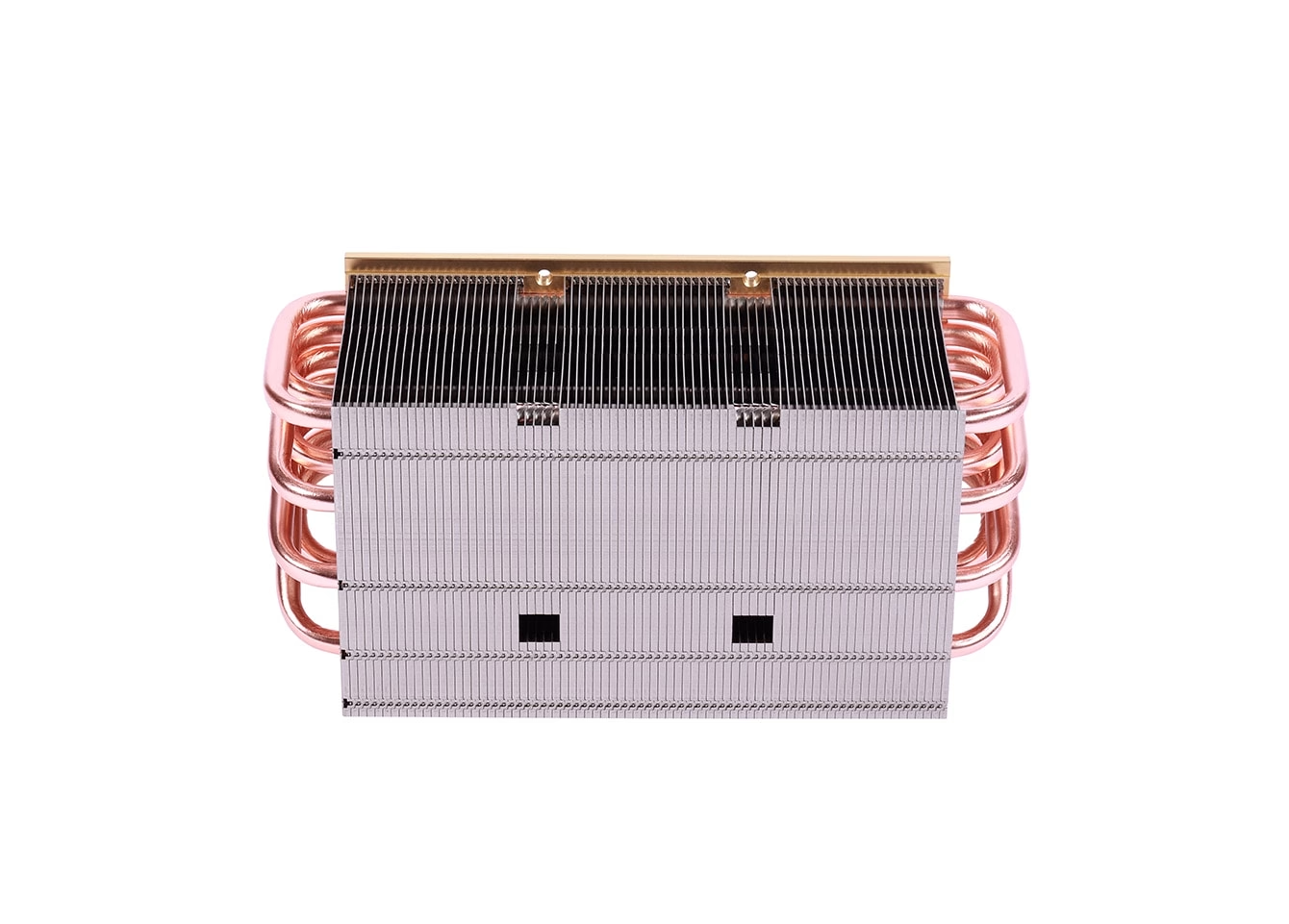
For demanding applications, testing should account for variations in mounting pressure and interface thickness. If thermal tape cannot meet the required thermal or mechanical performance, heatpipe cooling solutions may offer an alternative for transferring heat away from concentrated sources and distributing it across a larger fin area.
Reliable heat sink thermal tape bonding requires compatible materials, careful installation, and performance validation under actual operating conditions. For customized heat sink designs or more demanding cooling requirements, contact Enner to discuss your thermal management needs.