As global temperatures rise and energy costs soar, the quest for efficient home cooling solutions has never been more critical. Traditional air conditioning systems, while effective, are energy-intensive and can be costly to operate. This is where the concept of heat sinks for houses comes into play, offering an innovative approach to thermal management that promises to revolutionize home cooling. This article explores the role of heat sinks in residential settings, their benefits, types, and the technological advancements driving their adoption.
What is a Heat Sink?
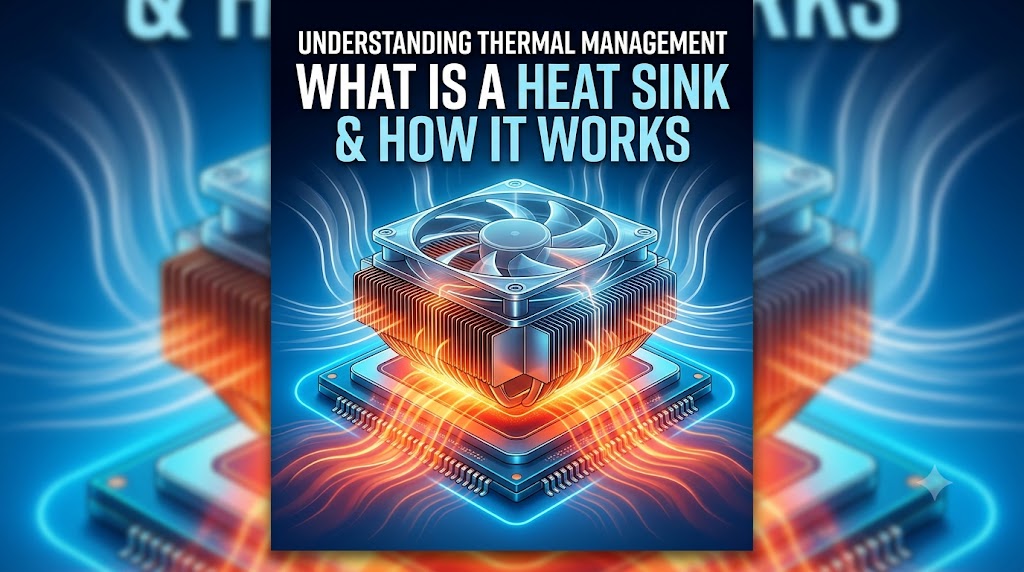
A heat sink, in its traditional sense, is a device that dissipates heat from a heat-generating component, typically found in electronics. However, the concept can be adapted for use in residential environments to manage and dissipate heat more effectively. In the context of a house, a heat sink could be any structure or material that absorbs and disperses excess heat, helping to maintain a comfortable indoor temperature without relying heavily on conventional air conditioning systems.
The Importance of Heat Sinks in Residential Settings
The primary function of a heat sink in a house is to enhance thermal comfort and reduce energy consumption. By effectively managing the heat within a home, heat sinks can:
Reduce Energy Bills:
By minimizing the reliance on energy-intensive air conditioning, homeowners can significantly cut their electricity costs.
Enhance Comfort:
Heat sinks help maintain a stable indoor temperature, making living spaces more comfortable during extreme weather conditions.
Promote Sustainability:
Utilizing passive cooling methods aligns with green building practices, reducing the environmental impact of residential energy consumption.
Types of Heat Sinks for Houses
Heat sinks for houses come in various forms, each with its unique benefits and applications:
Thermal Mass Materials:
Materials like concrete, brick, and stone have high thermal mass, meaning they can absorb and store heat during the day and release it slowly at night. Incorporating these materials into the structure of a house can help regulate indoor temperatures.
Phase Change Materials (PCMs):
PCMs absorb heat as they change phase from solid to liquid and release it when they revert to solid form. These materials can be integrated into building materials or used in standalone products to provide effective thermal regulation.
Green Roofs and Walls:
Vegetated roofs and walls act as natural heat sinks. They absorb solar radiation, reduce heat flux through building envelopes, and provide insulation, thereby lowering indoor temperatures.
Earth Tubes:
These are underground pipes that use the stable temperature of the earth to precondition incoming air. During the summer, earth tubes can cool the air entering the home, reducing the need for conventional cooling.
Radiant Barriers and Reflective Insulation:
These materials reflect heat away from the house, preventing it from entering the living space. They can be installed in attics and walls to enhance thermal efficiency.
Innovations in Heat Sink Technology for Homes
The drive for more efficient and sustainable home cooling solutions has led to several technological advancements:
Advanced PCMs:
Researchers are developing PCMs with improved thermal conductivity and longer life spans. These advanced materials can be integrated into building components like drywall, flooring, and roofing.
Smart Home Integration:
Heat sinks can be part of a broader smart home ecosystem, using sensors and IoT (Internet of Things) technology to optimize thermal management. For example, automated shading systems can adjust based on the sun’s position, while smart thermostats can regulate temperature more efficiently.
Nanotechnology:
Incorporating nanomaterials into building materials can significantly enhance their thermal properties. Nanocomposites and nanofluids offer high thermal conductivity, making them ideal for use in heat sinks.
Solar-Assisted Cooling:
Combining heat sinks with solar panels can create a hybrid system that not only cools the home but also generates electricity. Solar-assisted cooling systems can store excess heat and use it to power cooling mechanisms during peak hours.
Applications and Benefits
The integration of heat sinks in residential buildings offers numerous benefits, including:
Energy Efficiency:
Homes equipped with heat sinks require less energy to cool, resulting in lower utility bills and reduced strain on the electrical grid.
Improved Indoor Air Quality:
By reducing the need for air conditioning, heat sinks help decrease indoor pollutants and allergens associated with HVAC systems.
Increased Property Value:
Energy-efficient homes with sustainable cooling solutions are increasingly attractive to buyers, potentially boosting property values.
Enhanced Comfort and Health:
Maintaining a stable indoor temperature improves comfort and can have positive effects on health, particularly for vulnerable populations such as the elderly and those with respiratory conditions.
Challenges and Considerations
While the benefits are clear, there are challenges and considerations when implementing heat sinks in residential settings:
Initial Costs:
The upfront cost of installing advanced heat sink systems can be high. However, these costs are often offset by long-term energy savings.
Design and Integration:
Proper design and integration are crucial for effectiveness. Homeowners must work with knowledgeable architects and engineers to ensure optimal performance.
Maintenance:
Some heat sink systems, particularly those involving complex materials or technologies, may require regular maintenance to function correctly.
Heat sinks for houses represent a promising frontier in residential thermal management. As technology advances and the demand for sustainable living solutions grows, heat sinks will likely become an integral part of modern home design. By enhancing energy efficiency, reducing costs, and improving comfort, heat sinks offer a viable alternative to traditional air conditioning systems, paving the way for greener and more efficient homes.
Incorporating heat sinks into residential construction is not just a trend but a necessary evolution in the face of rising energy costs and environmental concerns. Homeowners and builders alike should consider the potential of these innovative cooling solutions to create comfortable, sustainable, and cost-effective living environments.