



















Nowsze
Do czego służy radiator? Zrozumienie zarządzania temperaturą w elektronice
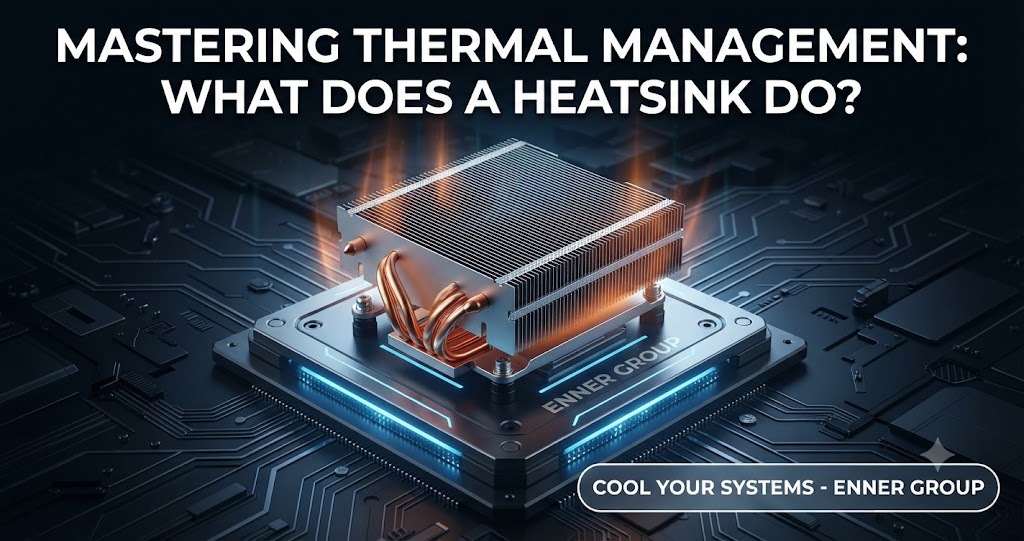
W swojej istocie radiator pochłania i rozprasza energię cieplną z komponentów wysokotemperaturowych. Radiatory zapobiegają przegrzaniu wrażliwego sprzętu, przekazując energię cieplną do otaczającego powietrza lub cieczy.
Bez skutecznego chłodzenia urządzenia elektroniczne dużej mocy są narażone na trwałe awarie.
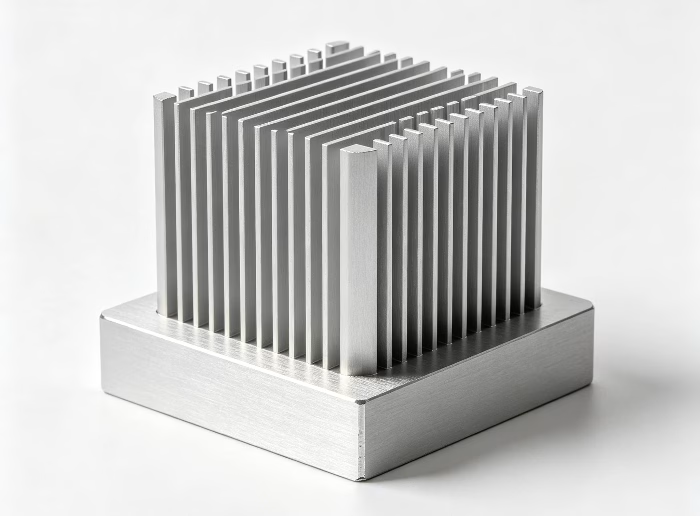
Radiator to pasywny wymiennik ciepła. Nieustannie przekazuje energię cieplną z urządzenia elektronicznego do płynu chłodzącego. Elementy te można znaleźć niemal wszędzie. Pracują cicho wewnątrz laptopów, urządzeń medycznych i ciężkich maszyn przemysłowych.
Mikroprocesory są coraz mniejsze, a jednocześnie oferują znacznie większą moc obliczeniową. Ten gwałtowny wzrost gęstości cieplnej sprawia, że zarządzanie temperaturą jest kluczowym wymogiem inżynieryjnym, a nie drugorzędnym elementem projektu.
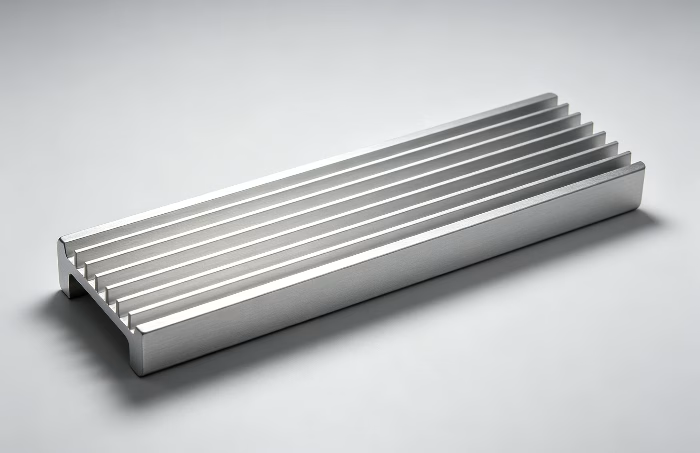
Radiatory nie tylko obniżają temperaturę. Chronią nowoczesną elektronikę, spełniając cztery podstawowe funkcje:
Rozpraszanie ciepła opiera się na czterech podstawowych krokach fizycznych, zachodzących kolejno po sobie:
Przewodzenie ciepła: Ciepło przemieszcza się bezpośrednio z elementu roboczego do litej metalowej podstawy radiatora poprzez bezpośredni kontakt.
Pokonywanie mikroskopijnych szczelin: Żadna powierzchnia metalu nie jest całkowicie gładka. Mikroskopijne kieszenie powietrzne między chipem a płytą bazową działają jak izolatory termiczne. Materiały termoprzewodzące (TIM) – takie jak pasty, podkładki lub wypełniacze szczelin – uszczelniają te puste przestrzenie, zmniejszając rezystancję termiczną styku.
Rozszerzalność powierzchni: Gdy ciepło dociera do bloku bazowego, rozchodzi się po dziesiątkach cienkich metalowych żeberek. Ta zwiększona powierzchnia strukturalna zapewnia znacznie większą ekspozycję ciepła na otaczające środowisko.
Konwekcja i promieniowanie: Wreszcie, ruch cieczy odprowadza ciepło z powierzchni żeber. Dzieje się to naturalnie, gdy gorące powietrze unosi się do góry, lub poprzez wymuszoną konwekcję napędzaną przez wentylatory chłodzące.
Inżynierowie optymalizują radiatory poprzez staranny dobór elementów konstrukcyjnych i metali.
Nowoczesny moduł chłodniczy składa się z kilku wyspecjalizowanych struktur:
Jeśli interesują Cię niestandardowe radiatory i zoptymalizowana architektura termiczna, zapoznaj się z rozwiązaniami termicznymi Enner Group , które spełnią Twoje dokładne wymagania dotyczące gęstości mocy.
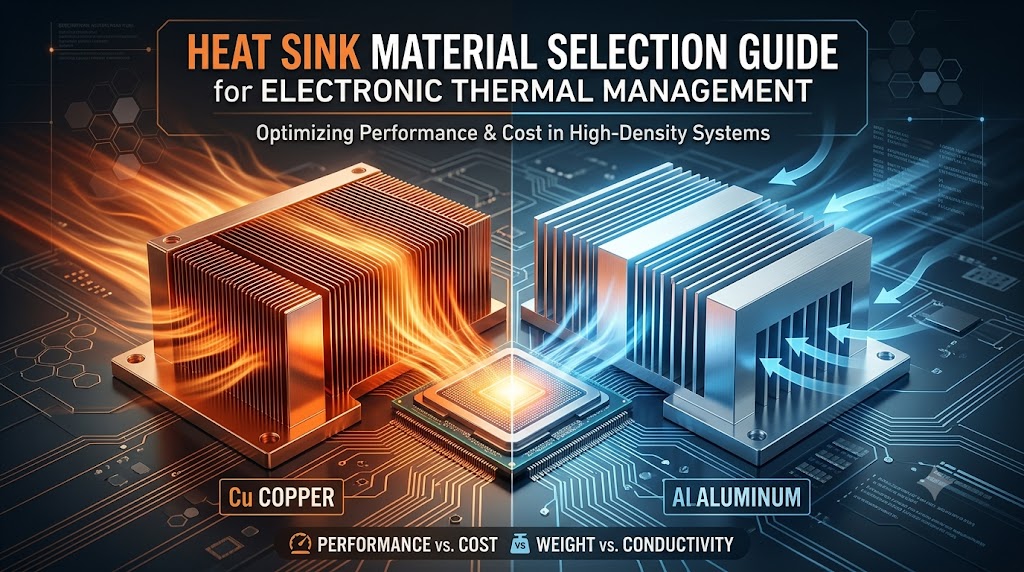
Wybór odpowiedniego metalu wymaga znalezienia równowagi między wagą, wydajnością i ograniczeniami budżetowymi.
| metryczny | Stopy aluminium | Miedź |
| Przewodność cieplna | ~160–220 W/mK | ~390–400 W/mK |
| Gęstość (waga) | Lekki (~2.7 g/cm³) | Ciężki (~8.9 g/cm³) |
| Obrabialność i koszt | Niższe koszty materiałów i produkcji | Wyższy koszt materiału; trudniejsza obróbka mechaniczna |
| Typowy przypadek użycia | Duże powierzchnie, projekty wrażliwe na wagę | Strefy o dużej gęstości mocy, kompaktowe układy |
Aby zrównoważyć koszty i wagę z wydajnością termiczną, wiele nowoczesnych systemów wykorzystuje rozwiązania hybrydowe. Charakteryzują się one ciężkim, miedzianym blokiem bazowym, który zapewnia szybkie lokalne odprowadzanie ciepła, oraz lekkimi, aluminiowymi żebrami, które odprowadzają powietrze na zewnątrz.
Różne środowiska termiczne wymagają różnych metod chłodzenia.
Zarządzanie temperaturą stanowi podstawę wydajności nowoczesnego sprzętu w wielu dziedzinach:
Zaprojektowanie optymalnego rozwiązania termicznego wymaga zrównoważenia kilku powiązanych ze sobą parametrów fizycznych:
Pasywne radiatory odprowadzają ciepło naturalnie, bez konieczności wymiany części, natomiast aktywne radiatory wykorzystują wentylatory lub pompy do wymuszania przepływu powietrza i chłodzenia cieczą. Dzięki temu aktywne systemy mogą obsługiwać znacznie wyższe obciążenia cieplne w mniejszych przestrzeniach.
TIM wypełnia mikroskopijne szczeliny powietrzne między elementem a płytą bazową radiatora. Zastąpienie tych izolujących kieszeni powietrznych materiałem przewodzącym ciepło drastycznie zmniejsza rezystancję styku termicznego.
Miedź jest wybierana do stref o wysokiej temperaturze i ograniczonej przestrzeni ze względu na jej doskonałą przewodność cieplną (~390 W/m·K). Jednak aluminium jest preferowane, gdy minimalizacja masy, kosztów materiałów i całkowitych kosztów produkcji ma kluczowe znaczenie.
Niższy opór cieplny oznacza, że radiator efektywniej przekazuje energię cieplną, co przekłada się na mniejszy wzrost temperatury na wat. Inżynierowie wybierają radiatory o wystarczająco niskim oporze, aby utrzymać temperaturę złącza krzemowego w bezpiecznych granicach.
Gęstsze żebra zapewniają większą powierzchnię chłodzenia, ale jednocześnie blokują przepływ powietrza poprzez zwiększenie ciśnienia statycznego. Jeśli żebra są zbyt ciasno ułożone, aby wentylator mógł przetłoczyć powietrze, wydajność chłodzenia spada.
Zarządzanie złożonymi obliczeniami oporu termicznego i niestandardową geometrią żeber wymaga precyzyjnej inżynierii. Niezależnie od tego, czy budujesz moduł przemysłowy dużej mocy, czy optymalizujesz istniejącą obudowę, nasz zespół zapewnia spersonalizowane oceny termiczne i precyzyjną produkcję.
Aby przesłać specyfikacje swojego projektu lub skonsultować się bezpośrednio z naszym zespołem technicznym, odwiedź stronę Enner Group Contact Us lub skontaktuj się z nami za pośrednictwem poczty elektronicznej pod adresem [email protected].