



















Recenter
Richtlijnen voor materiaalkeuze van koelplaten voor elektronisch thermisch beheer
In de wereld van hoogwaardige elektronica is warmte de grootste vijand. Of je nu een gaming-pc op maat bouwt of een industrieel besturingssysteem ontwerpt, je bent waarschijnlijk wel eens de term 'koelblok' tegengekomen. Maar wat doet een koelblok, afgezien van het feit dat het een stuk metaal is dat op een chip is vastgeschroefd, nu precies om je apparaten soepel te laten werken?
In essentie is een koelblok een passieve warmtewisselaar die de door een elektronisch component gegenereerde warmte naar de lucht afvoert. Door het beschikbare oppervlak voor warmteafvoer te vergroten, voorkomt het oververhitting van componenten. Als u momenteel thermische problemen ondervindt bij het ontwerpen van uw product, is het onderzoeken van professionele oplossingen voor thermisch beheer vaak de eerste stap naar een stabieler systeem.
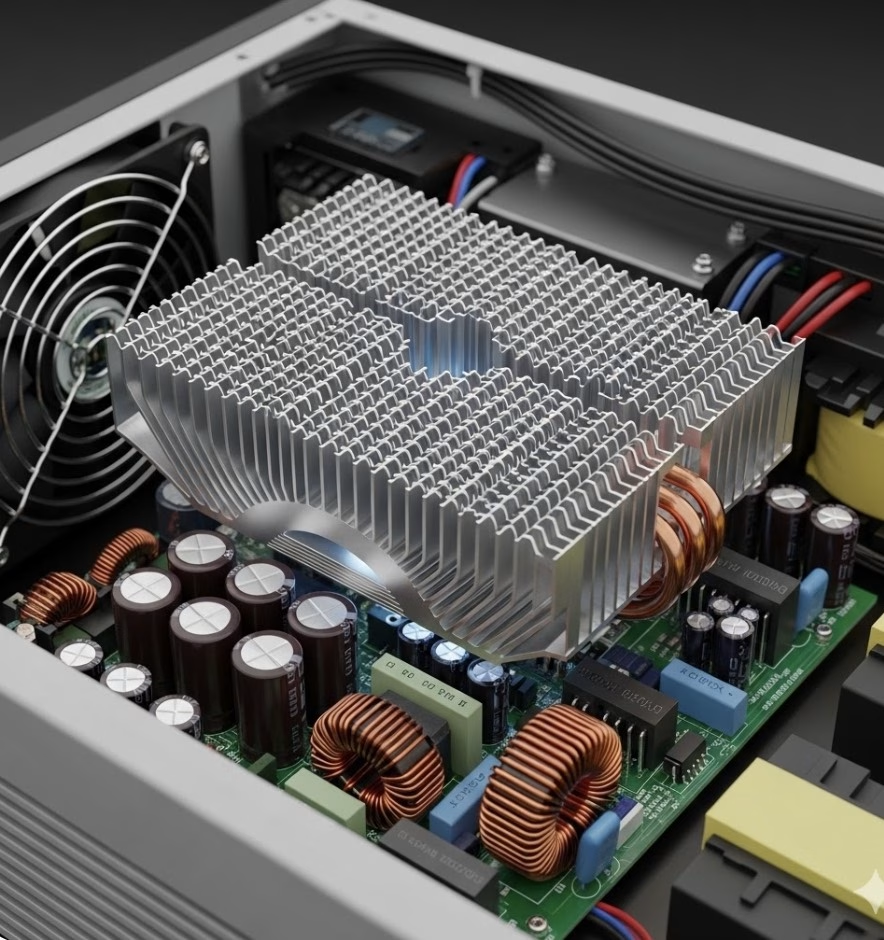
Om te begrijpen hoe een koelplaat werkt, moeten we kijken naar de drie fundamentele manieren waarop warmte zich verplaatst: geleiding, convectie en straling. Een goed ontworpen koelplaat maakt gebruik van alle drie, hoewel de eerste twee het meest van belang zijn.
Geleiding is de directe overdracht van warmte door een vast materiaal. Wanneer uw CPU of vermogenstransistor werkt, genereert deze geconcentreerde thermische energie. Een koelblok bevindt zich direct bovenop dit onderdeel en fungeert als een brug om die warmte van het silicium af te voeren. Omdat de basis van het koelblok het meest kritische contactpunt is, is de keuze van het juiste materiaal en een vlak oppervlak essentieel voor een efficiënte warmteoverdracht.
Zodra de warmte in het hoofdgedeelte van de koelplaat is terechtgekomen, moet deze worden afgevoerd. Dit gebeurt door convectie. Terwijl lucht over de koelvinnen stroomt, neemt deze de warmte op en voert deze af. Hier speelt de geometrie een belangrijke rol. Door tientallen dunne vinnen toe te voegen, kunnen we het oppervlak dat aan de lucht wordt blootgesteld exponentieel vergroten zonder de koelplaat omvangrijk te maken. Hoe groter het beschikbare oppervlak, hoe meer lucht er kan circuleren, wat de koelefficiëntie aanzienlijk verbetert.
Hoewel het vaak over het hoofd wordt gezien, speelt straling ook een kleine rol. Elk warm oppervlak zendt infraroodstraling uit. Door specifieke coatings of afwerkingen te gebruiken, kunnen ingenieurs het vermogen van een koelplaat om warmte direct naar de omgeving af te geven verbeteren. Het is een subtiele verbetering, maar in elektronica met een hoge dichtheid is elke beetje extra efficiëntie welkom.
Als je kijkt naar moderne koeloplossingen, zie je bijna uitsluitend koper en aluminium. Elk materiaal heeft zijn eigen sterke punten, afhankelijk van de specifieke toepassing.
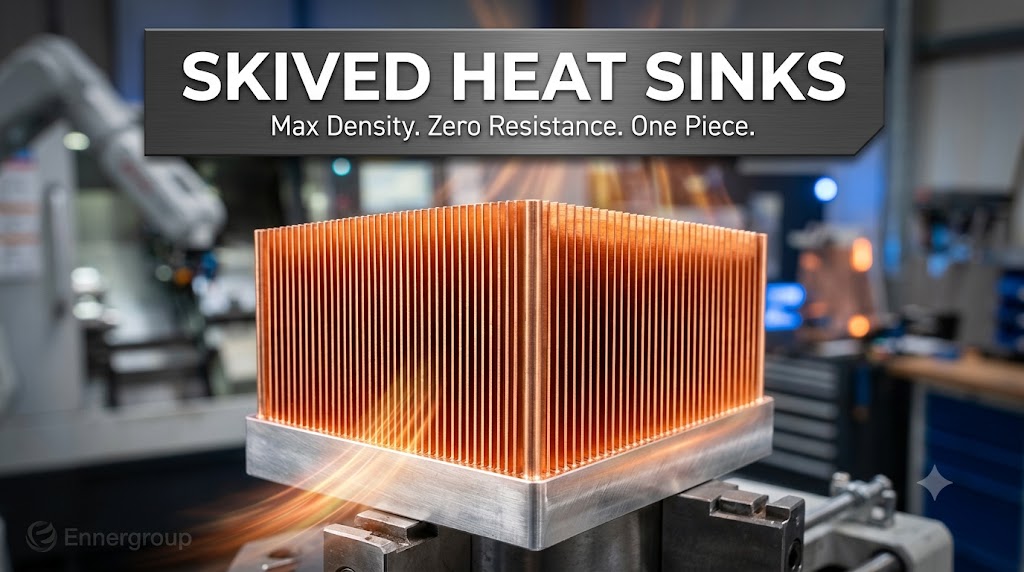
Bij Enner Group combineren we deze twee materialen vaak. Door een koperen basis te gebruiken om de initiële warmtepiek op te vangen en deze te verbinden met een aluminium lamellenstructuur, creëren we een hybride oplossing die het beste van twee werelden biedt: snelle warmteabsorptie en efficiënte luchtafvoer.
Een koelblok is niet alleen belangrijk voor het overklokken van je processor; het gaat ook om de betrouwbaarheid van je systeem. In de industriële elektronica kan één oververhitte transistor ervoor zorgen dat een hele productielijn stilvalt.
In een standaard pc produceert de CPU enorme hoeveelheden warmte op een zeer klein oppervlak. De koelplaat fungeert als thermische buffer en zorgt ervoor dat de processor onder zijn thermische throttlingpunt blijft, zodat er geen prestatieverlies optreedt tijdens zware taken. In industriële omgevingen liggen de risico's nog hoger. Componenten zoals motorsturingen, stroomomvormers en LED-arrays vereisen robuuste, op maat gemaakte koelplaten die bestand zijn tegen zware omstandigheden, trillingen en continu gebruik zonder te falen.
Hier komt maatwerk in thermische oplossingen om de hoek kijken. Standaardcomponenten werken prima voor consumenten-pc's, maar bij unieke vormfactoren of extreem hoge vermogensdichtheden is een oplossing op maat voor uw specifieke thermische belasting essentieel. Enner Group is gespecialiseerd in het ontwerpen en produceren van op maat gemaakte thermische modules die naadloos integreren in complexe hardware, zodat uw apparatuur koel blijft, ongeacht de belasting.
Optimale koeling bereiken draait niet alleen om het kiezen van de grootste koelplaat. Het gaat erom hoe de koelplaat interacteert met zijn omgeving. Als een koelplaat in een krappe behuizing zonder luchtstroom wordt geplaatst, zal deze simpelweg een "warmteval" worden.
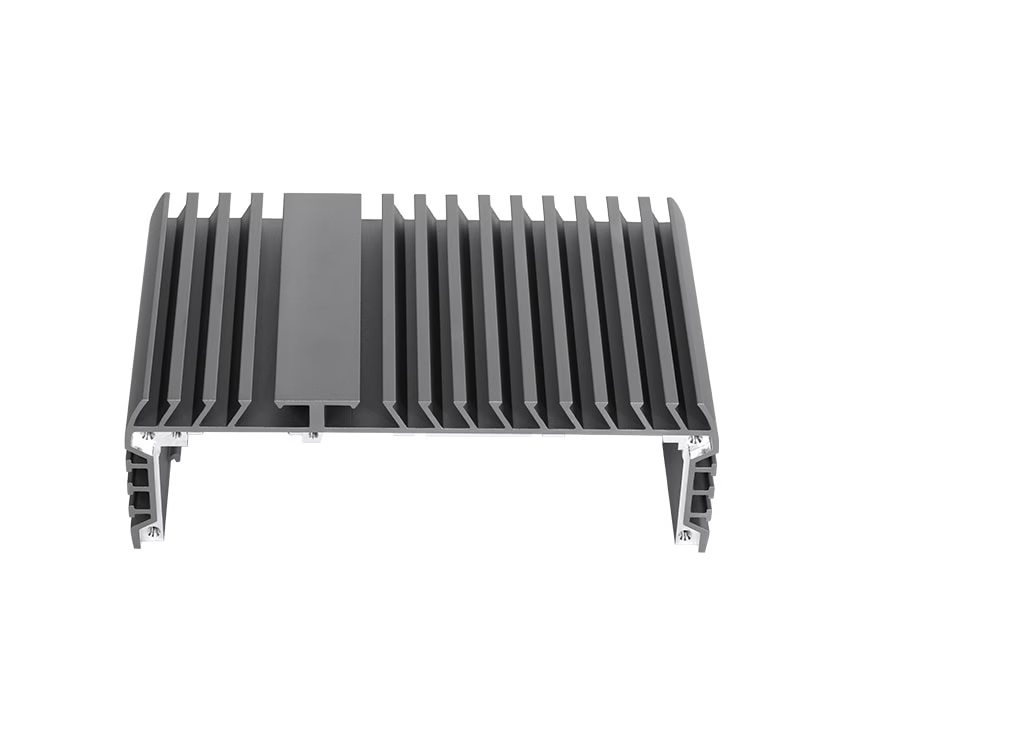
Ingenieurs geven prioriteit aan de "weg van de minste weerstand" voor luchtstroom. Of er nu gebruik wordt gemaakt van passieve koeling – waarbij de warme lucht op natuurlijke wijze opstijgt – of actieve koeling – waarbij een ventilator lucht door de koelvinnen perst – de oriëntatie en de afstand tussen de vinnen zijn cruciaal. Als de vinnen te dicht bij elkaar staan, kan de lucht er niet gemakkelijk doorheen. Als ze te ver uit elkaar staan, gaat het benodigde koeloppervlak verloren. Het vinden van die balans is de ware kunst van thermische engineering.
Heeft een koelblok thermische pasta nodig om goed te functioneren? Ja, thermische pasta is noodzakelijk omdat het de microscopische openingen tussen het chipoppervlak en de basis van het koelblok opvult, waardoor een efficiënte warmteoverdracht wordt gegarandeerd. Zonder pasta fungeren kleine luchtbellen als isolatoren en houden ze warmte vast tegen de chip.
Is een dikkere, zwaardere koelplaat altijd beter? Niet per se, want de koelprestaties hangen meer af van het oppervlak van de koelvinnen en het ontwerp van de luchtstroom dan van de totale massa van het metaal. Een lichtere, goed ontworpen koelplaat met geoptimaliseerde afstand tussen de koelvinnen presteert vaak beter dan een massief, lomp blok metaal.
Hoe weet ik of mijn industriële apparatuur een aangepaste koeloplossing nodig heeft? U zou een oplossing op maat moeten overwegen als u merkt dat de temperatuur van uw apparatuur constant daalt, dat componenten regelmatig uitvallen of als de beschikbare ruimte voor standaard koelmodules in uw werkomgeving beperkt is.
Kan stof de prestaties van mijn koelblok beïnvloeden? Absoluut; stof vormt een isolerende laag die warmteoverdracht naar de lucht verhindert en de luchtkanalen tussen de koelvinnen verstopt, wat leidt tot een aanzienlijke afname van de koelprestaties.
Uiteindelijk is een koelblok veel meer dan alleen een stuk metaal. Het is een cruciaal onderdeel dat het hart van uw elektronica beschermt tegen de schadelijke effecten van hitte. Of u nu streeft naar optimale pc-prestaties of de levensduur van industriële hardware wilt verlengen, effectief thermisch beheer is onmisbaar. Als u te maken heeft met thermische beperkingen of een ontwerp nodig heeft dat voldoet aan een specifieke stroombehoefte, neem dan contact op met het team van Enner Group . Wij helpen u graag bij het ontwerpen en bouwen van de koeloplossing die ervoor zorgt dat uw systemen optimaal blijven presteren.