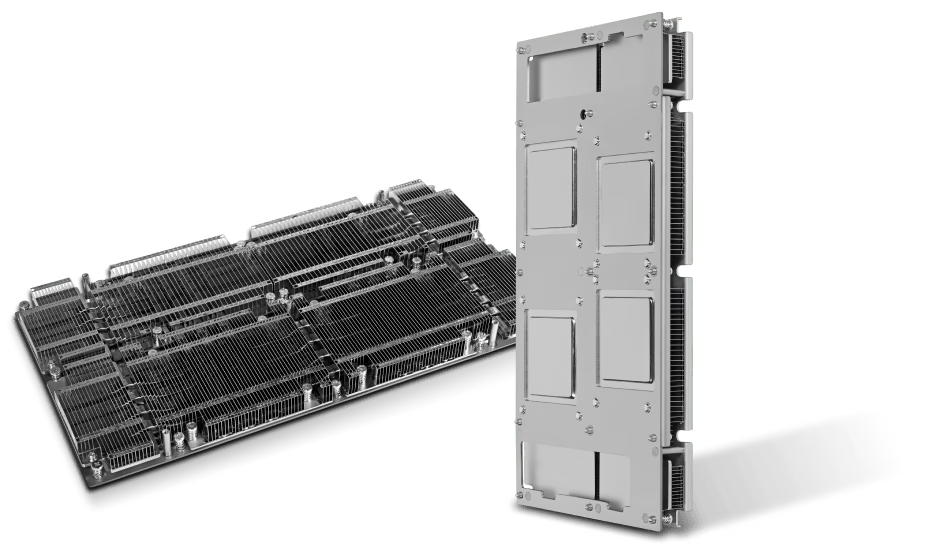
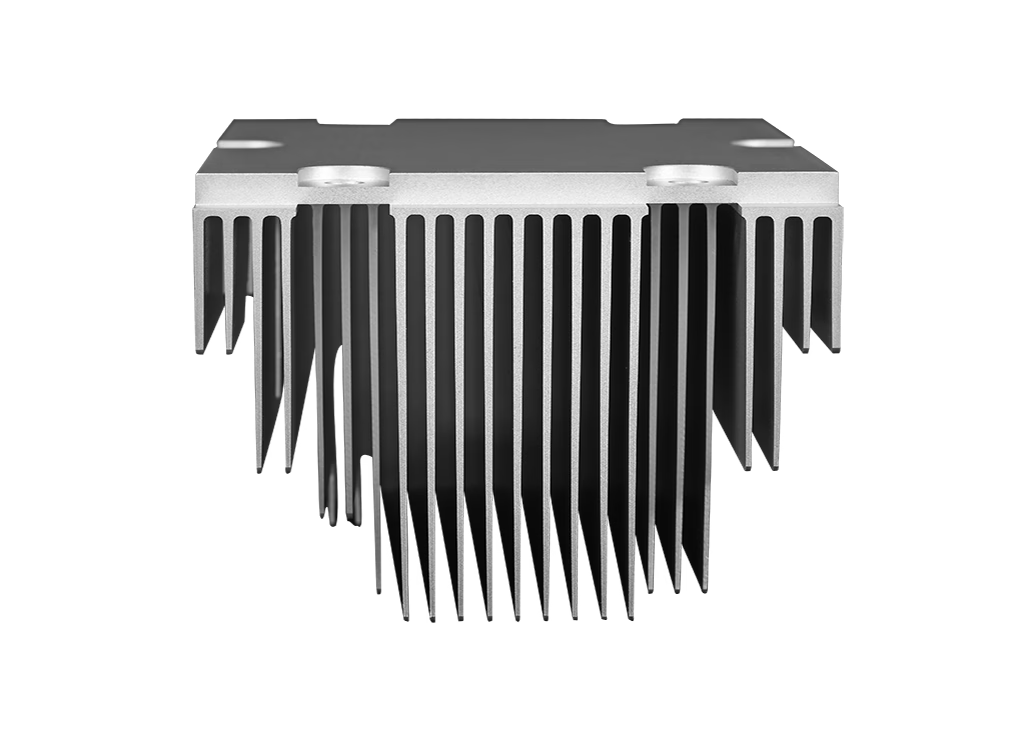
Extruded heatsinks efficiently dissipate heat generated by electronic components by maximizing surface area while maintaining a lightweight and compact design. Fins and channels on the heatsink’s surface increase contact area with surrounding air, enhancing heat transfer through convection. Made of aluminum for its excellent thermal conductivity, the heatsink efficiently conducts heat away from components, preventing overheating.
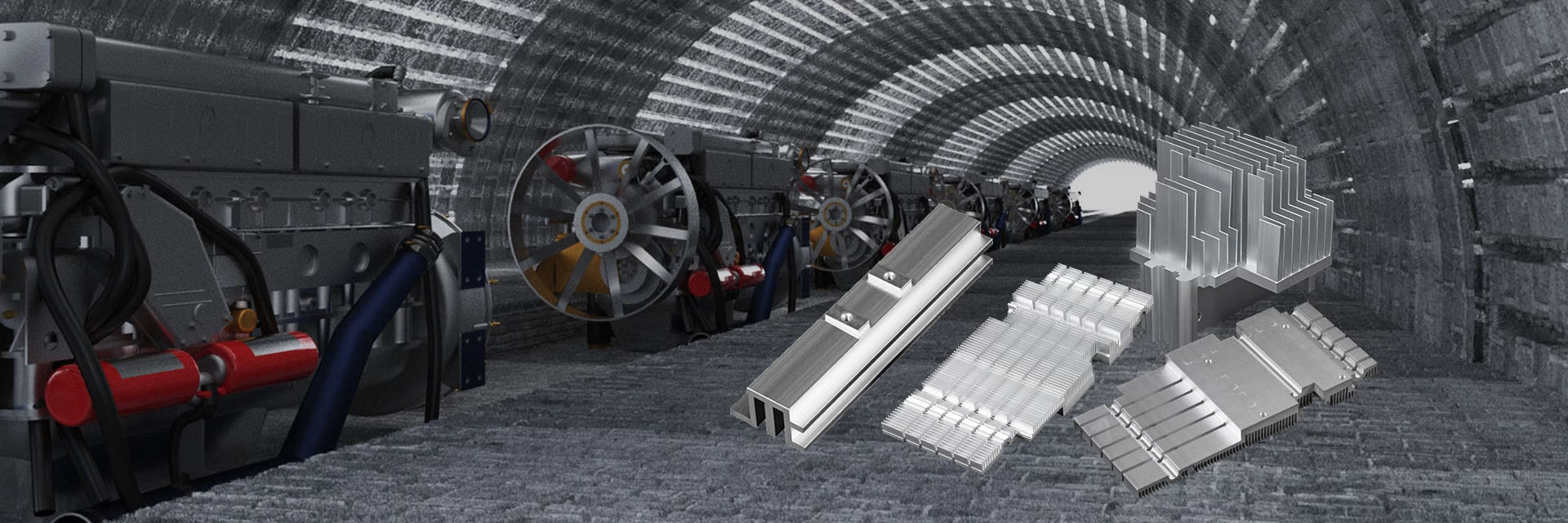
The extrusion process allows for complex geometries tailored to cooling needs. Custom designs optimize shape and size for maximum heat dissipation while minimizing weight and space requirements. Surface treatments enhance corrosion resistance and aesthetics, ensuring longevity and reliability.
High-quality extruded heatsinks feature precise dimensions, uniform fin spacing, and consistent surface finish for optimal thermal performance. Manufacturers offer standard and custom profiles to accommodate diverse heat dissipation needs, enabling efficient thermal management in electronic devices.
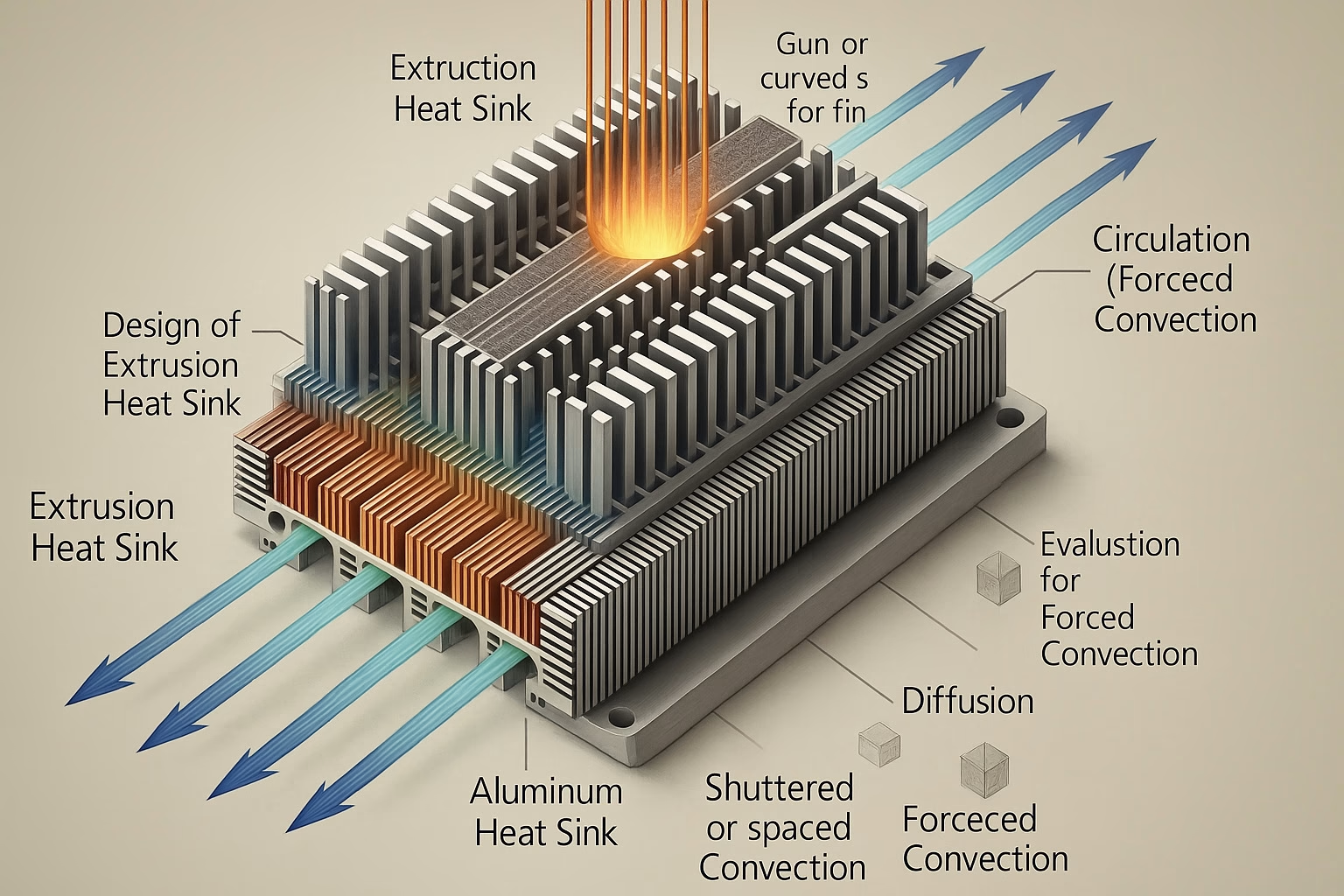
Extruded aluminum heat sinks Extruded aluminum heat sinks offer excellent thermal conductivity, cost-effectiveness, and design flexibility. Made from 6063 aluminum alloys, they efficiently dissipate heat in various electronic systems. The extrusion process allows for scalable production of both standard and custom profiles, making them ideal for industries like power electronics, LED lighting, telecommunications, and industrial automation. With lightweight yet durable construction, they are perfect for compact devices and outdoor installations, while optimized profiles improve airflow and thermal performance. Anodizing and other finishes enhance corrosion resistance for long-lasting use.
At Ennergroup, we specialize in manufacturing high-quality extruded aluminum heat sinks. Our 6063 aluminum alloys provide superior thermal conductivity for effective heat dissipation. Whether standard or custom profiles, our heat sinks are engineered for lightweight durability, optimized airflow, and corrosion resistance through anodizing and surface finishes. We offer cost-effective, long-lasting solutions for industries requiring reliable thermal management.
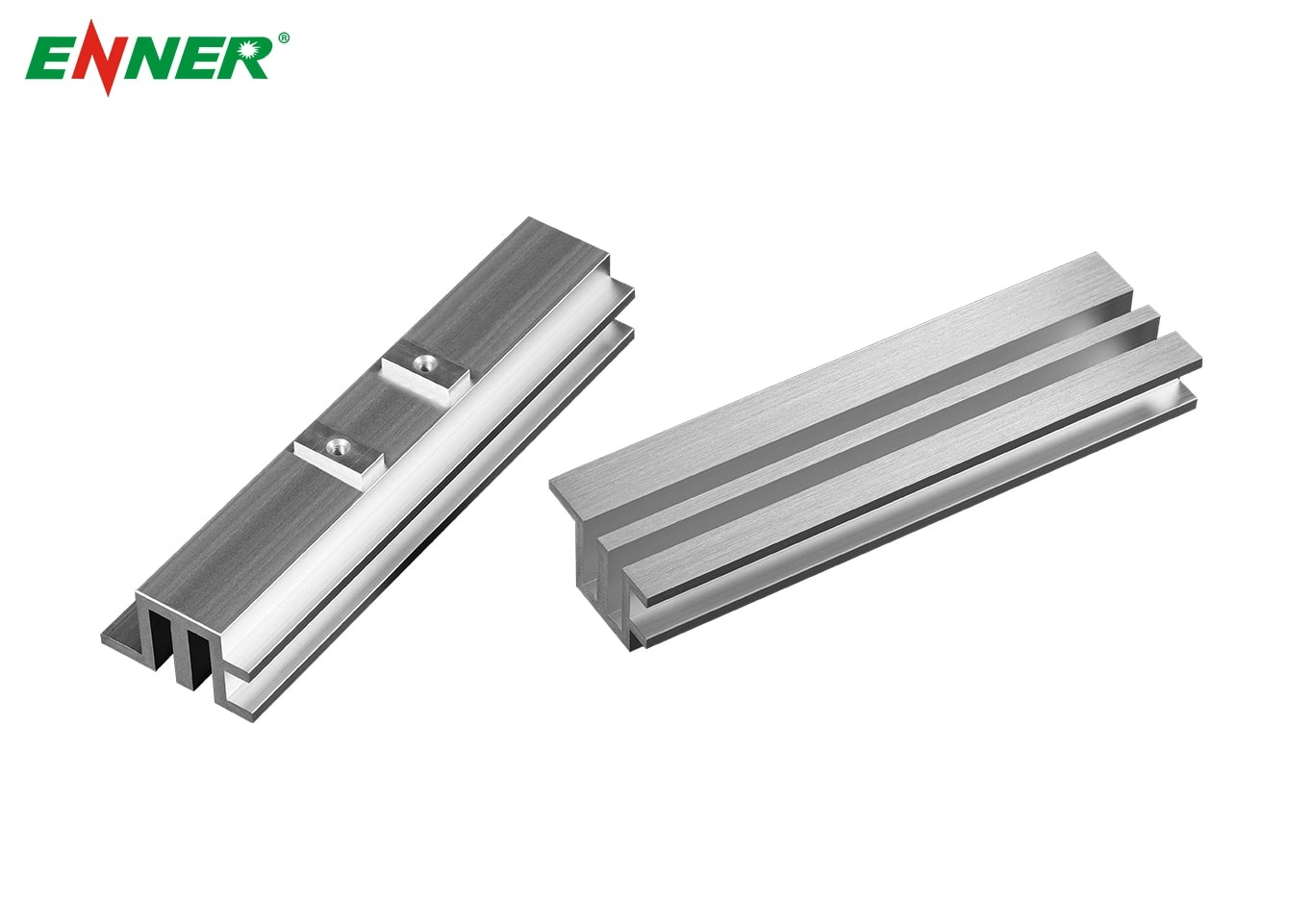
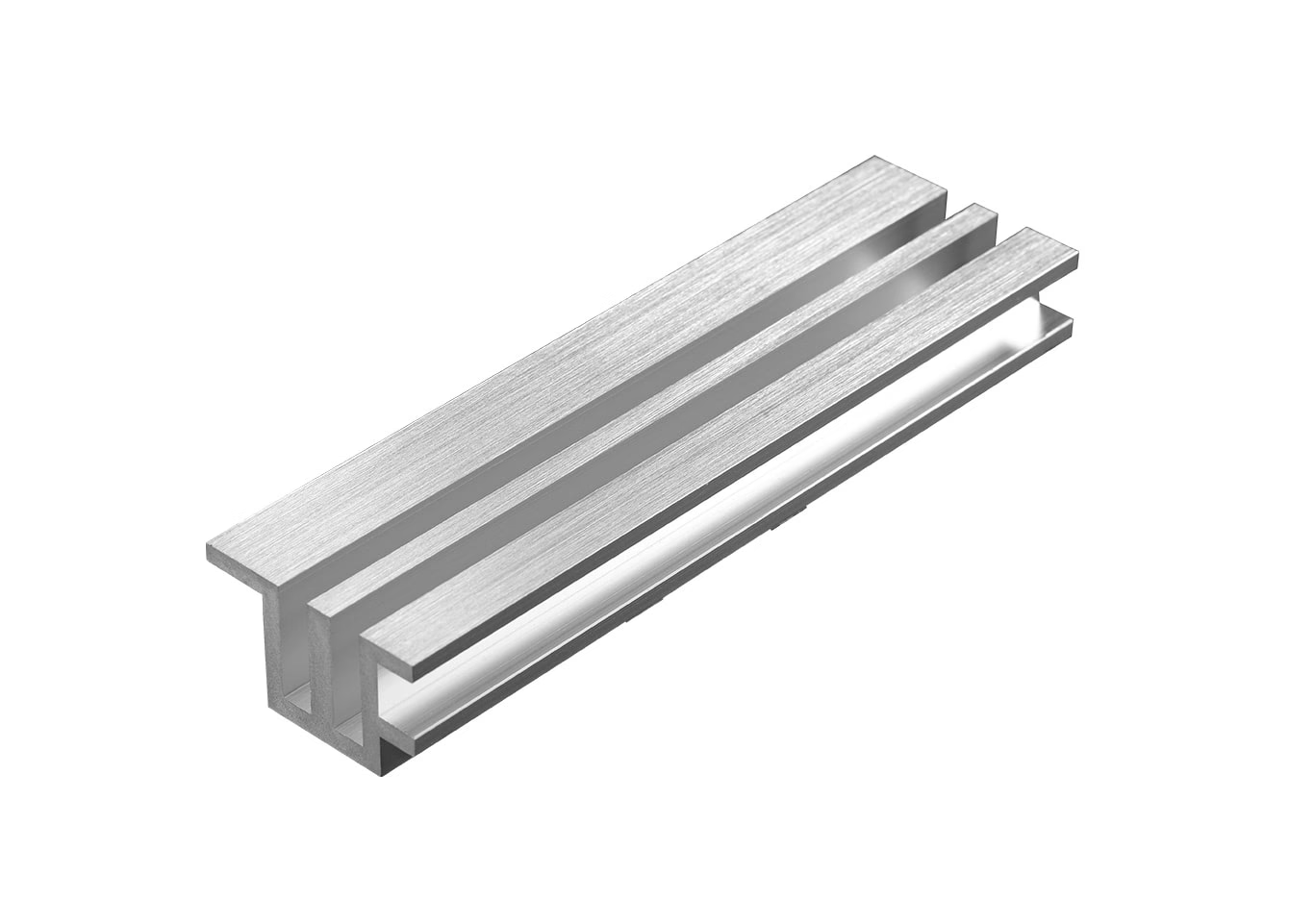
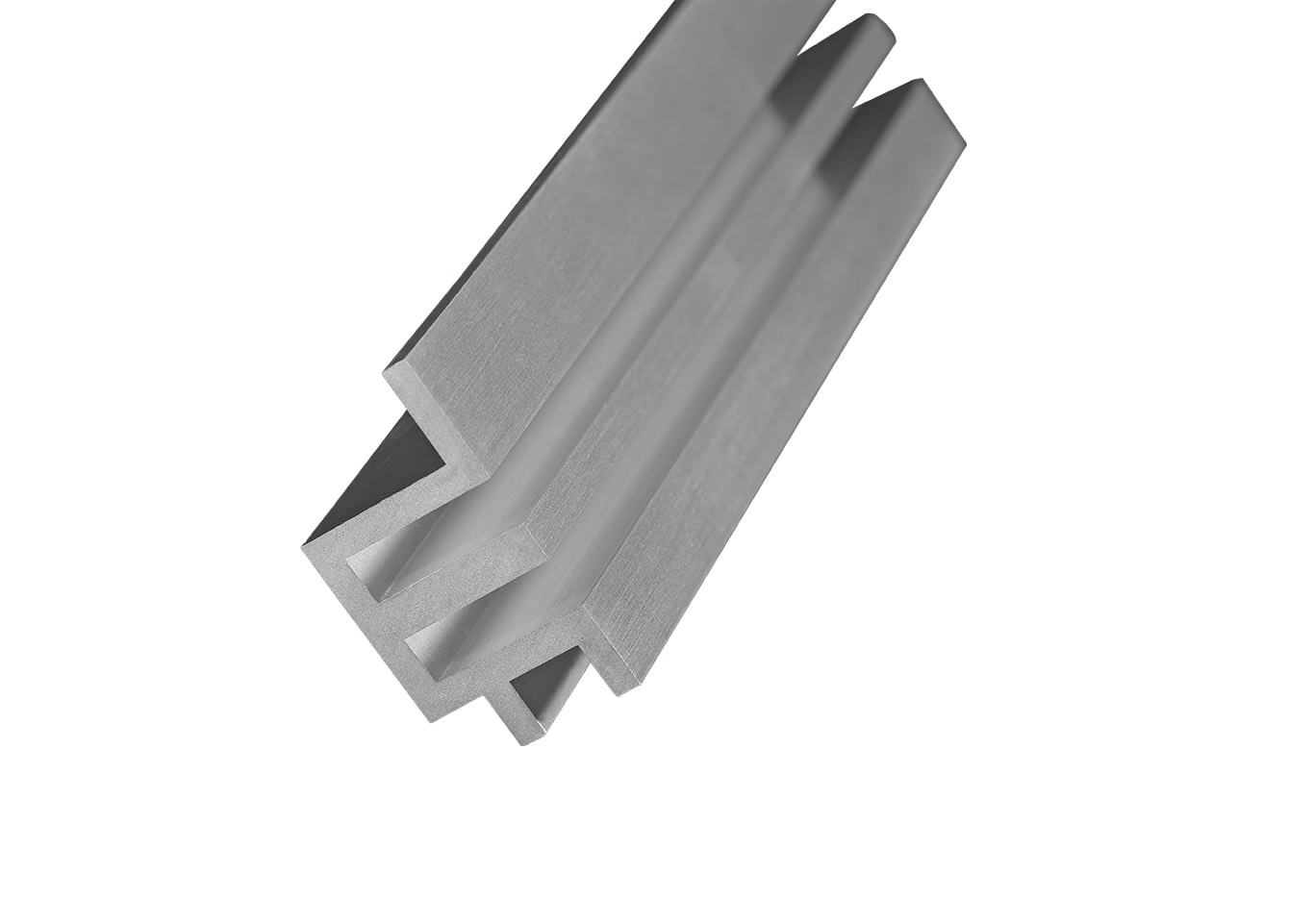

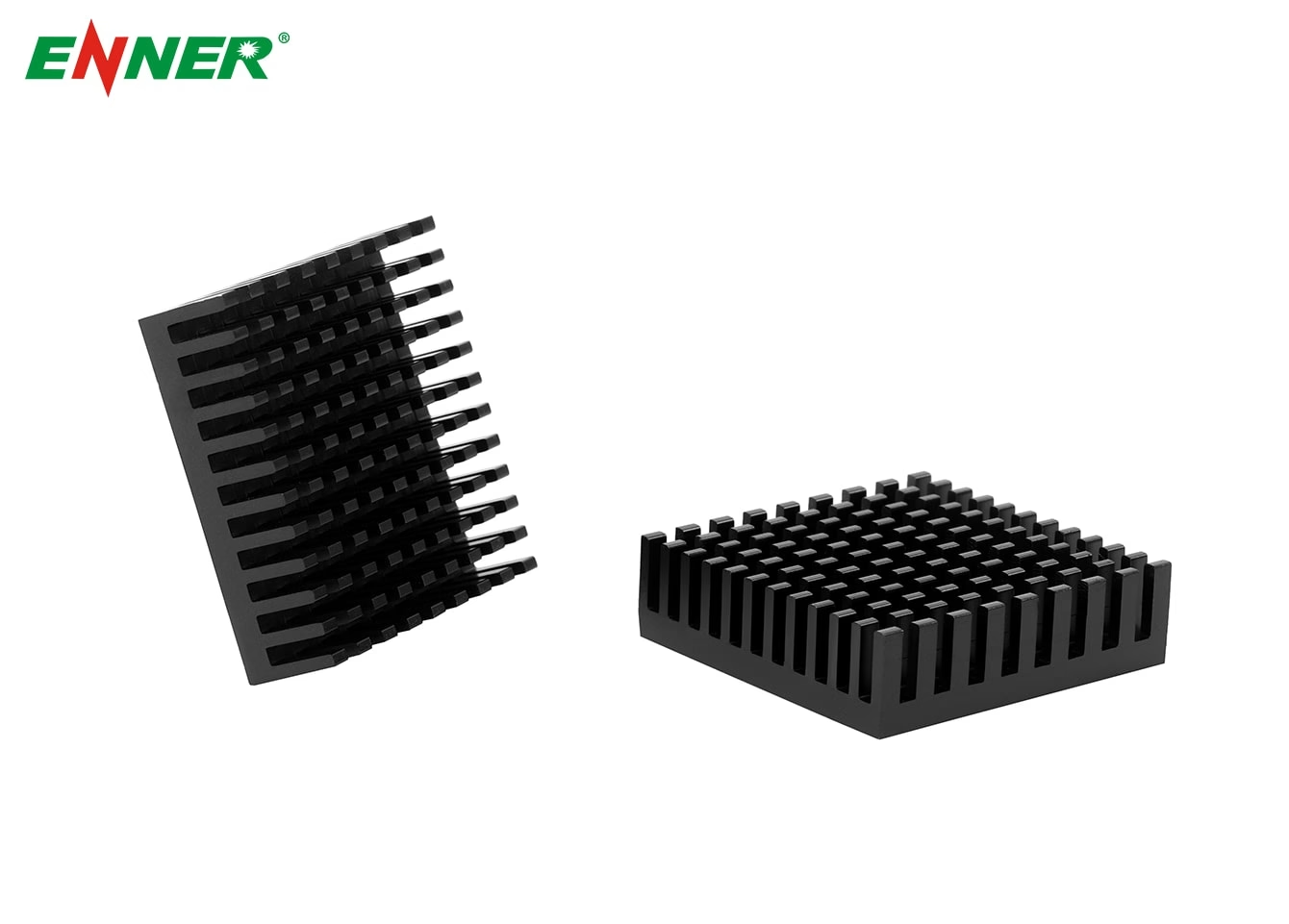
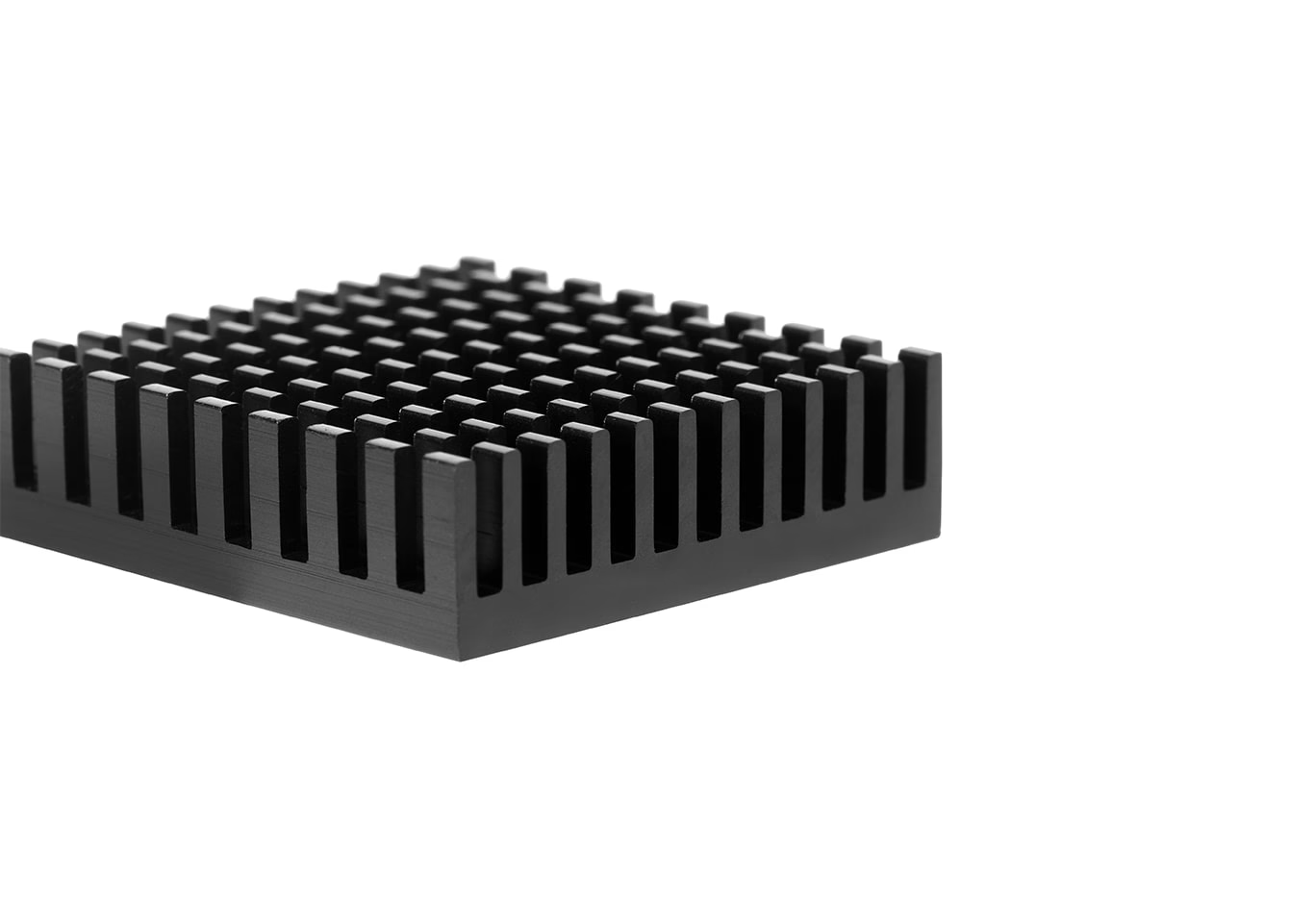
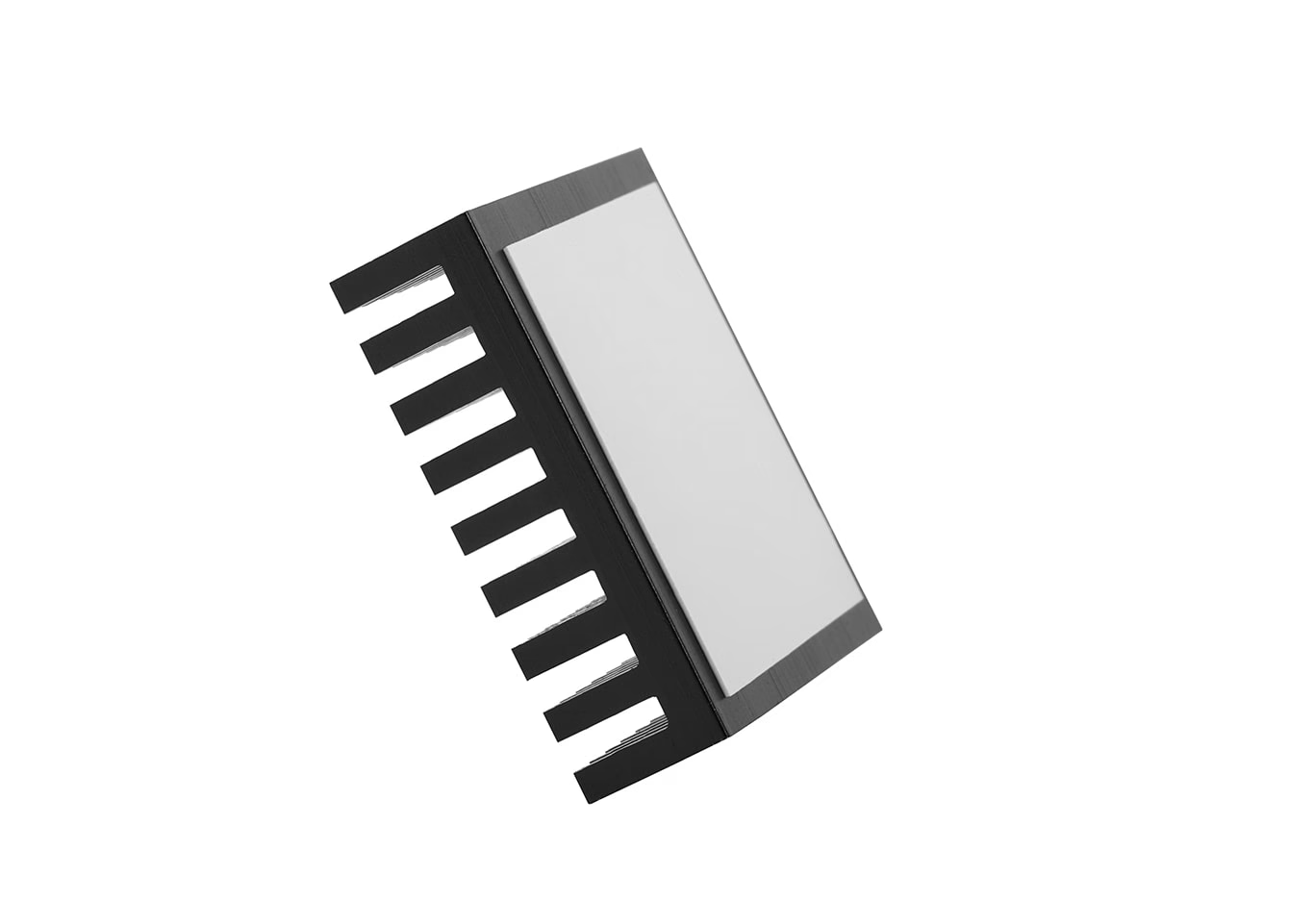

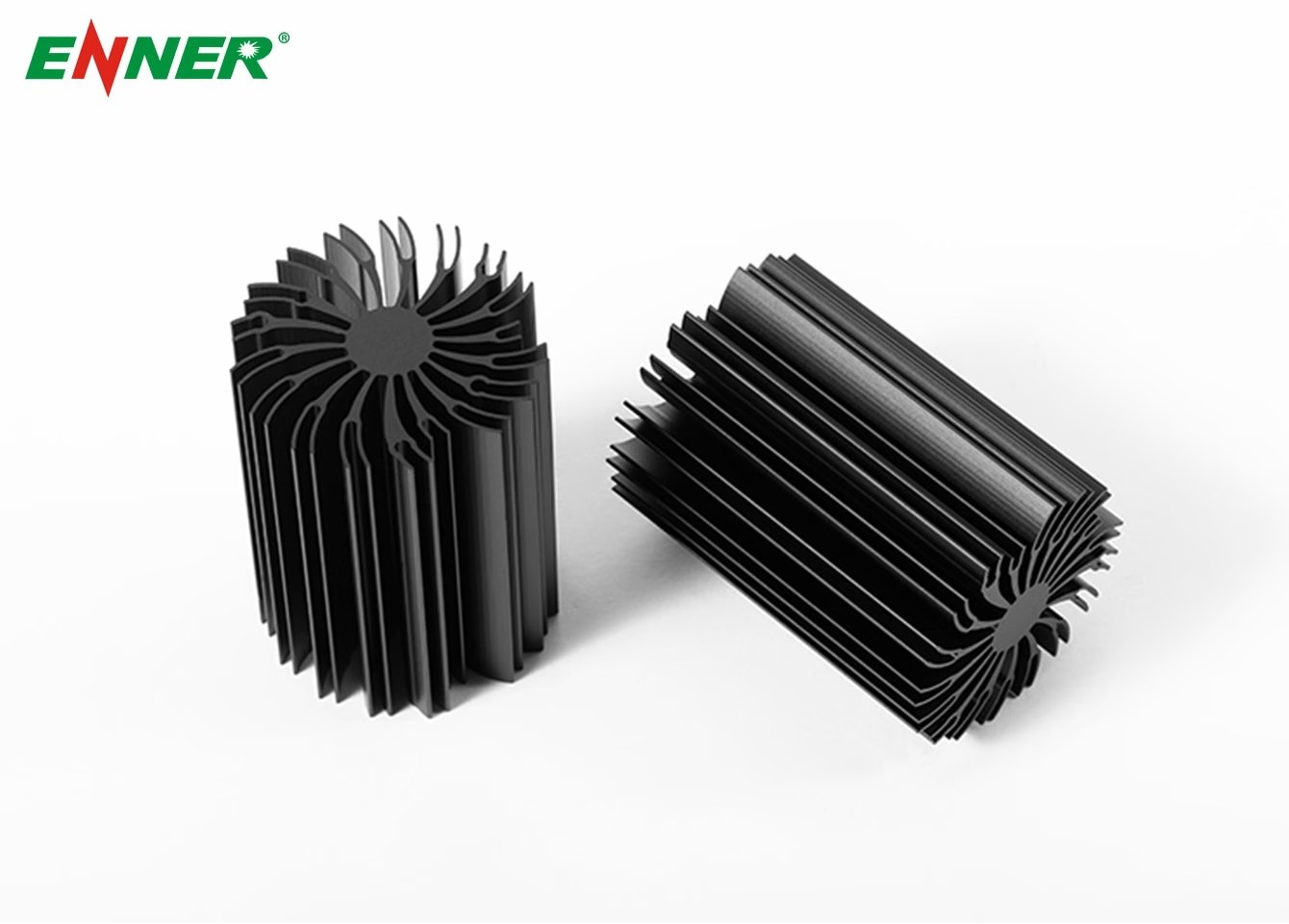
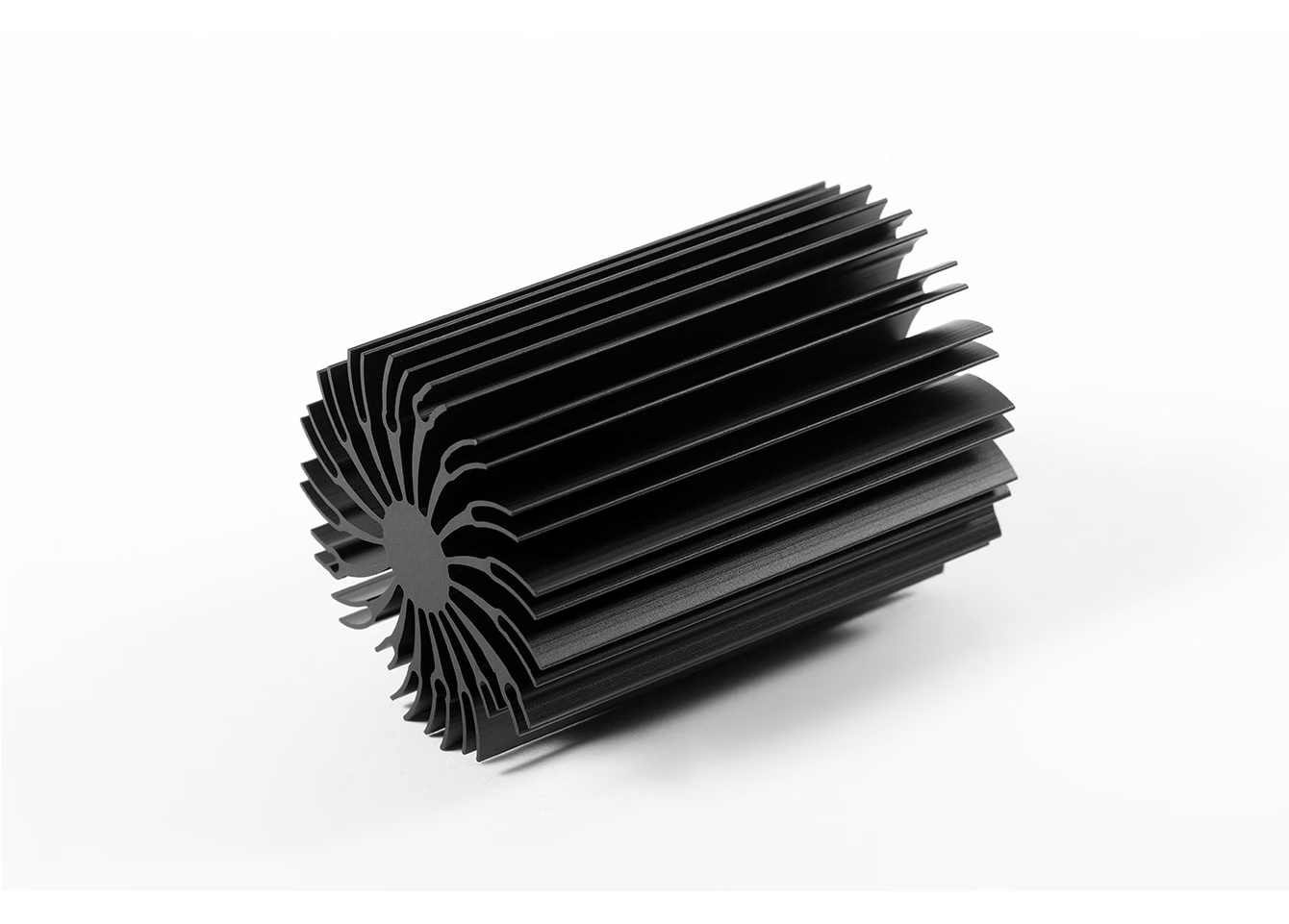
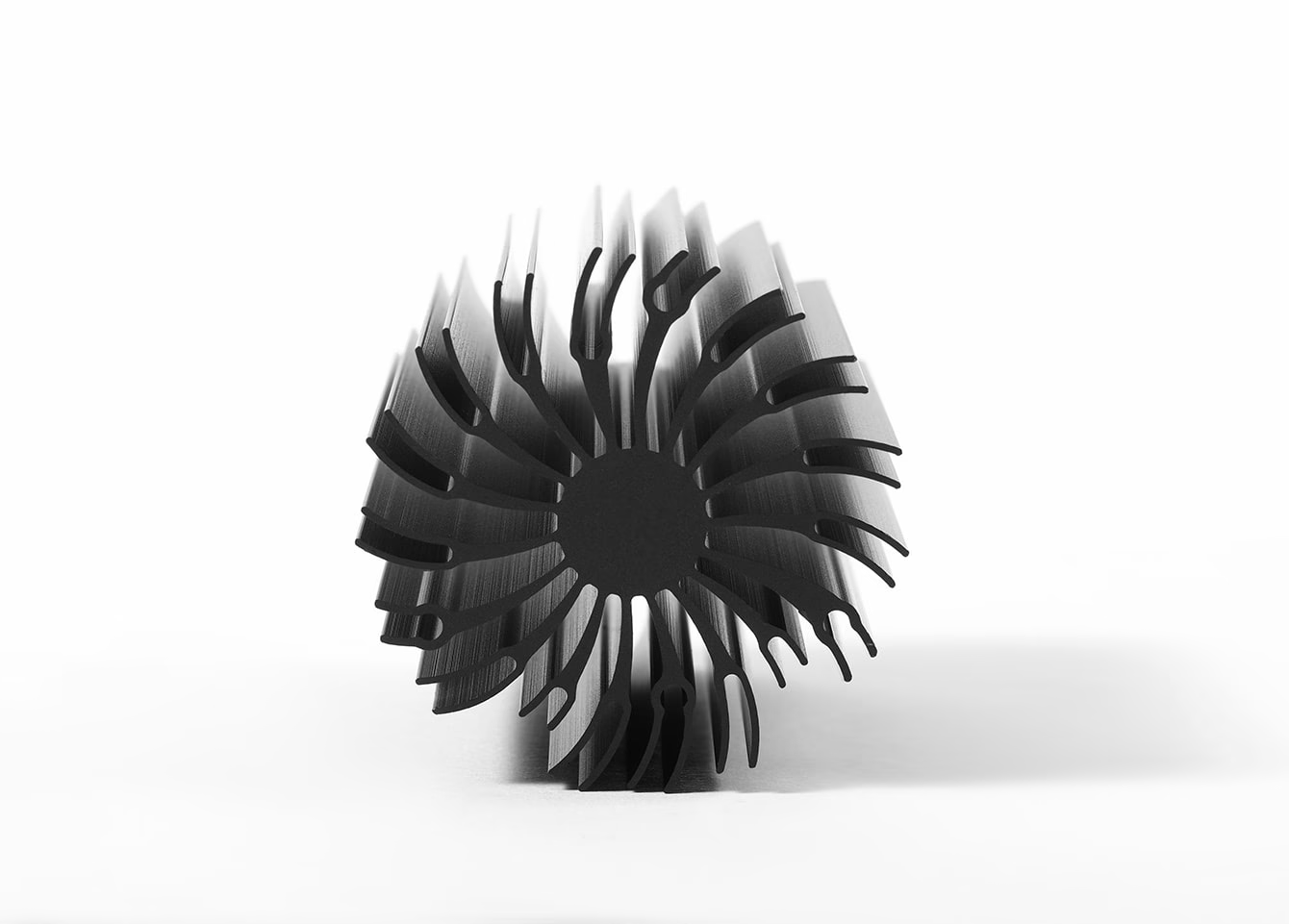
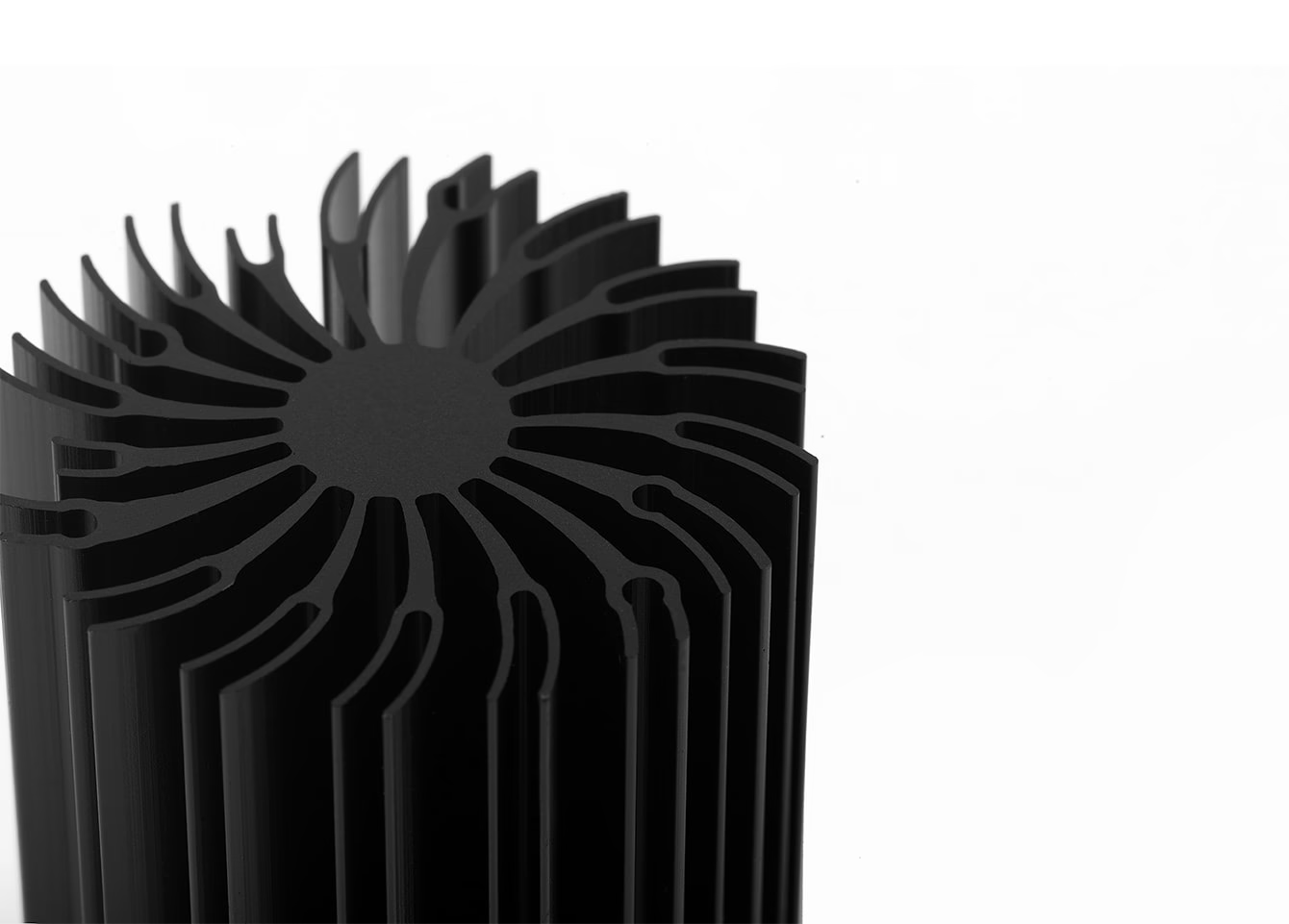
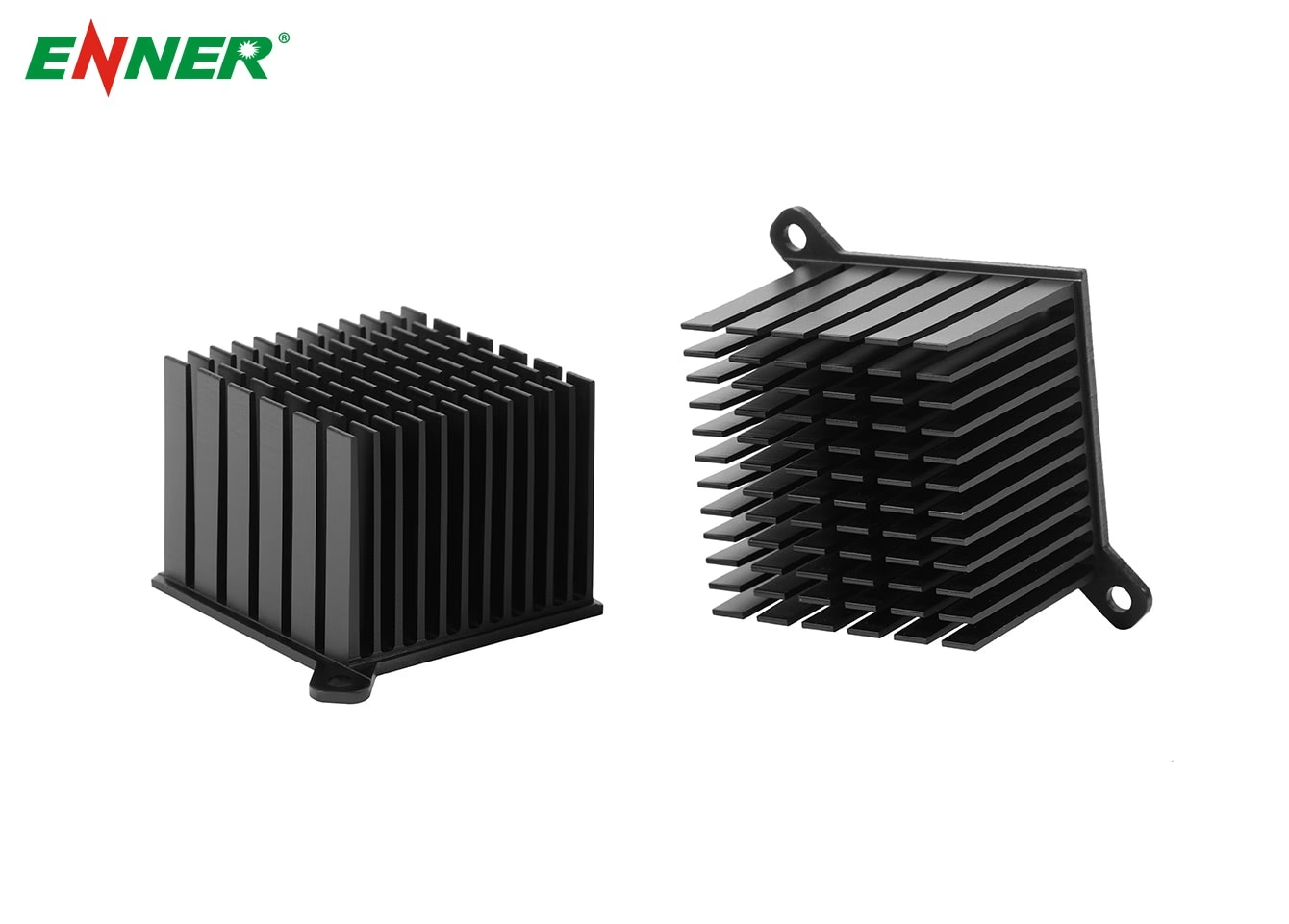
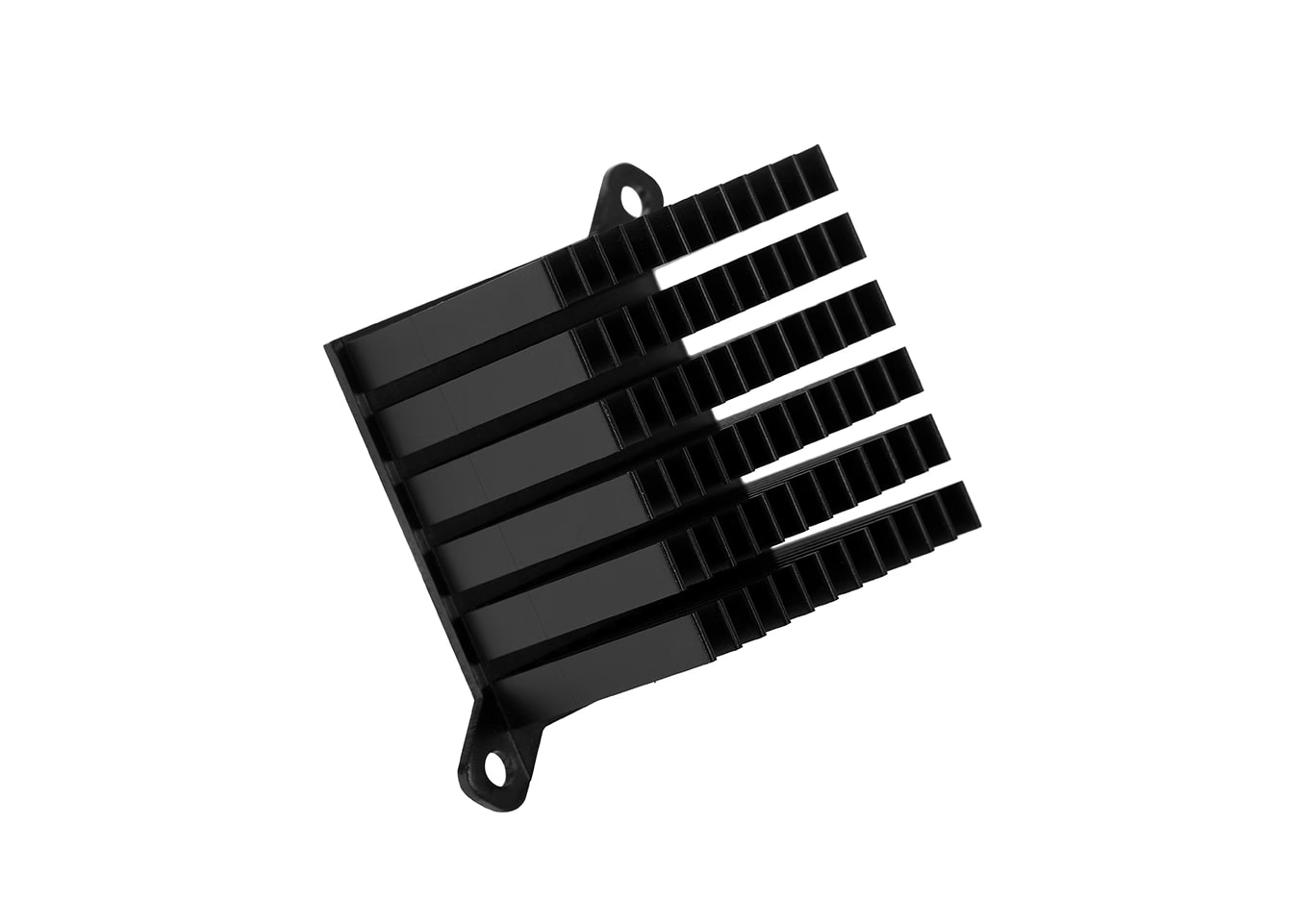
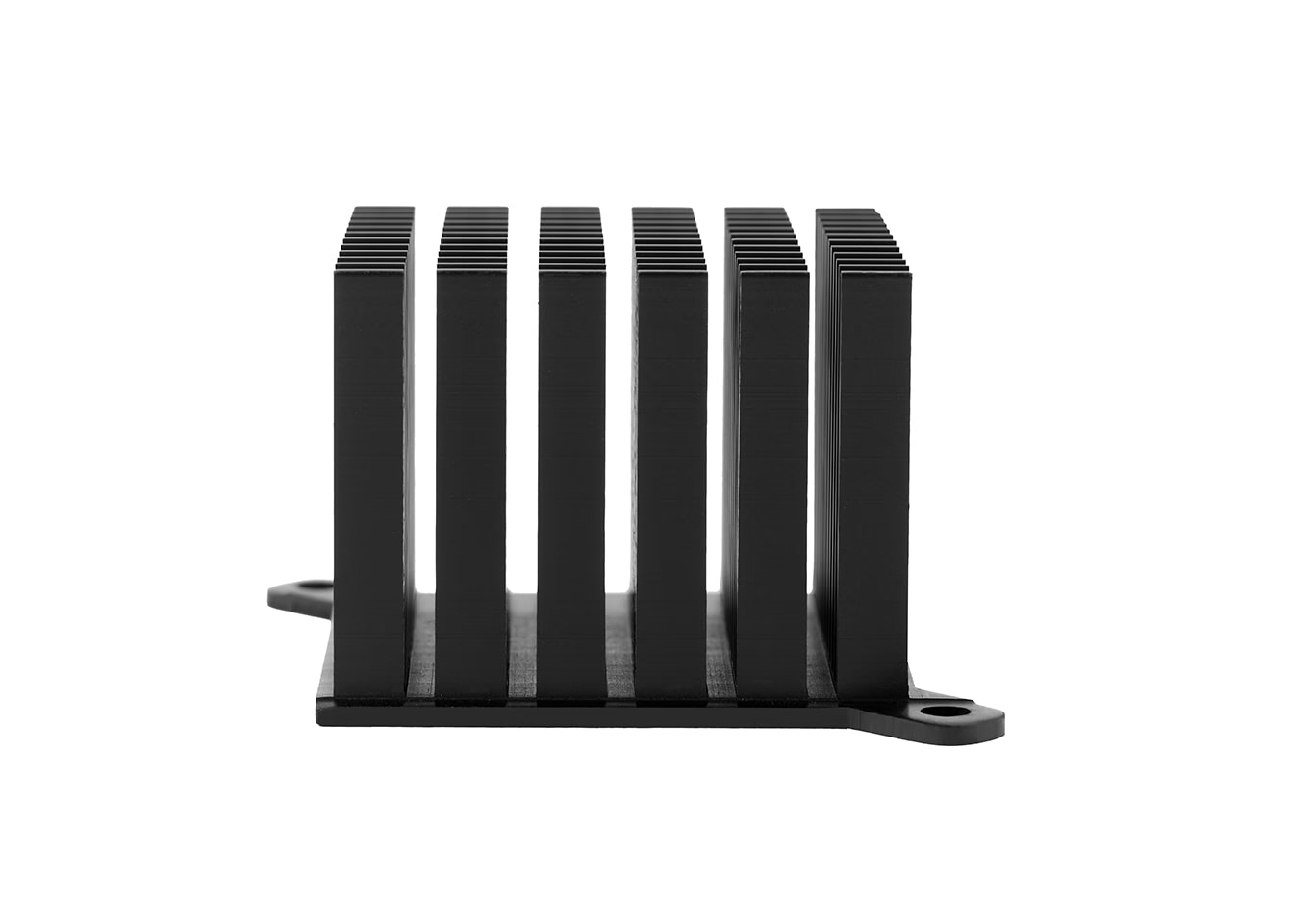
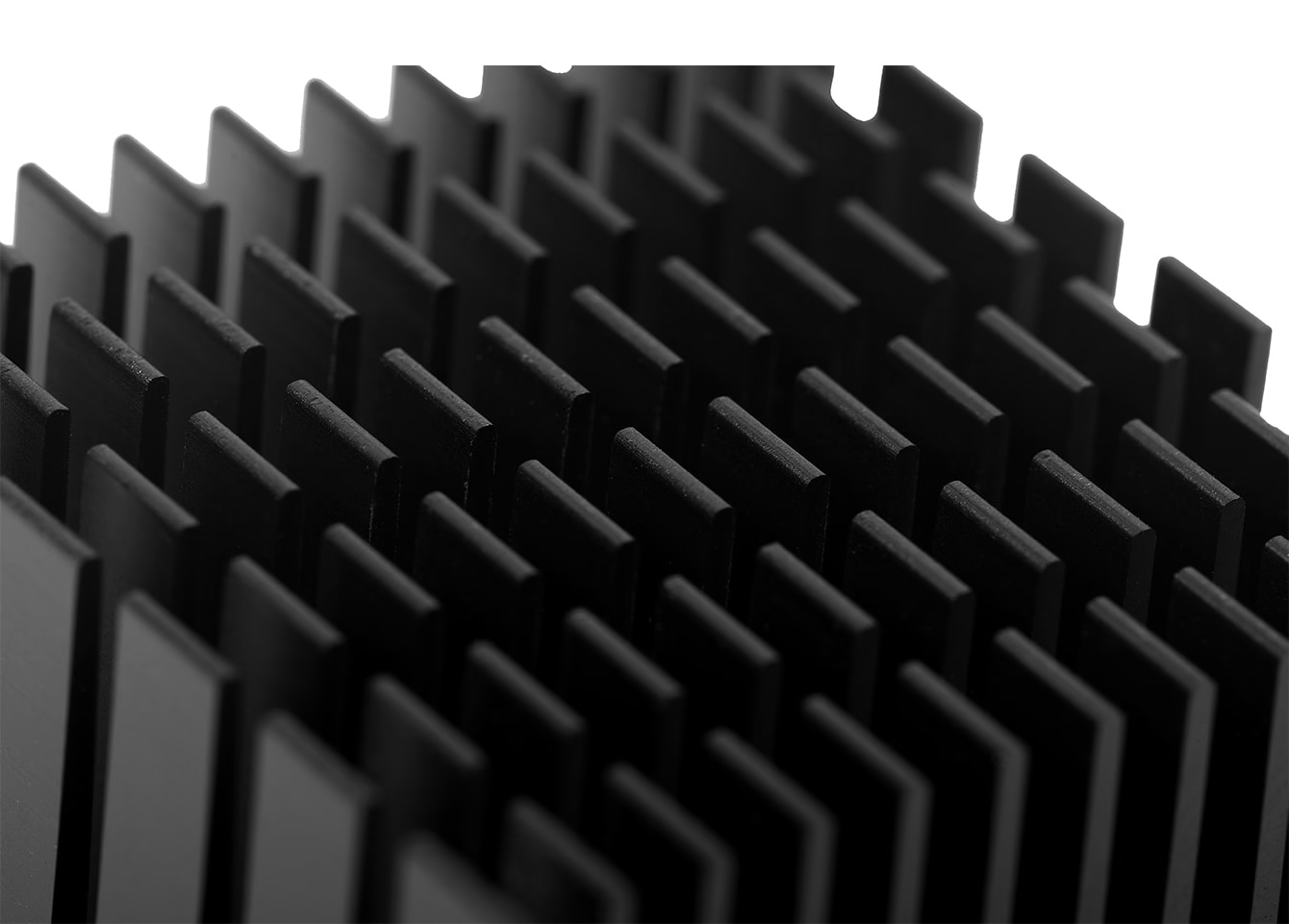
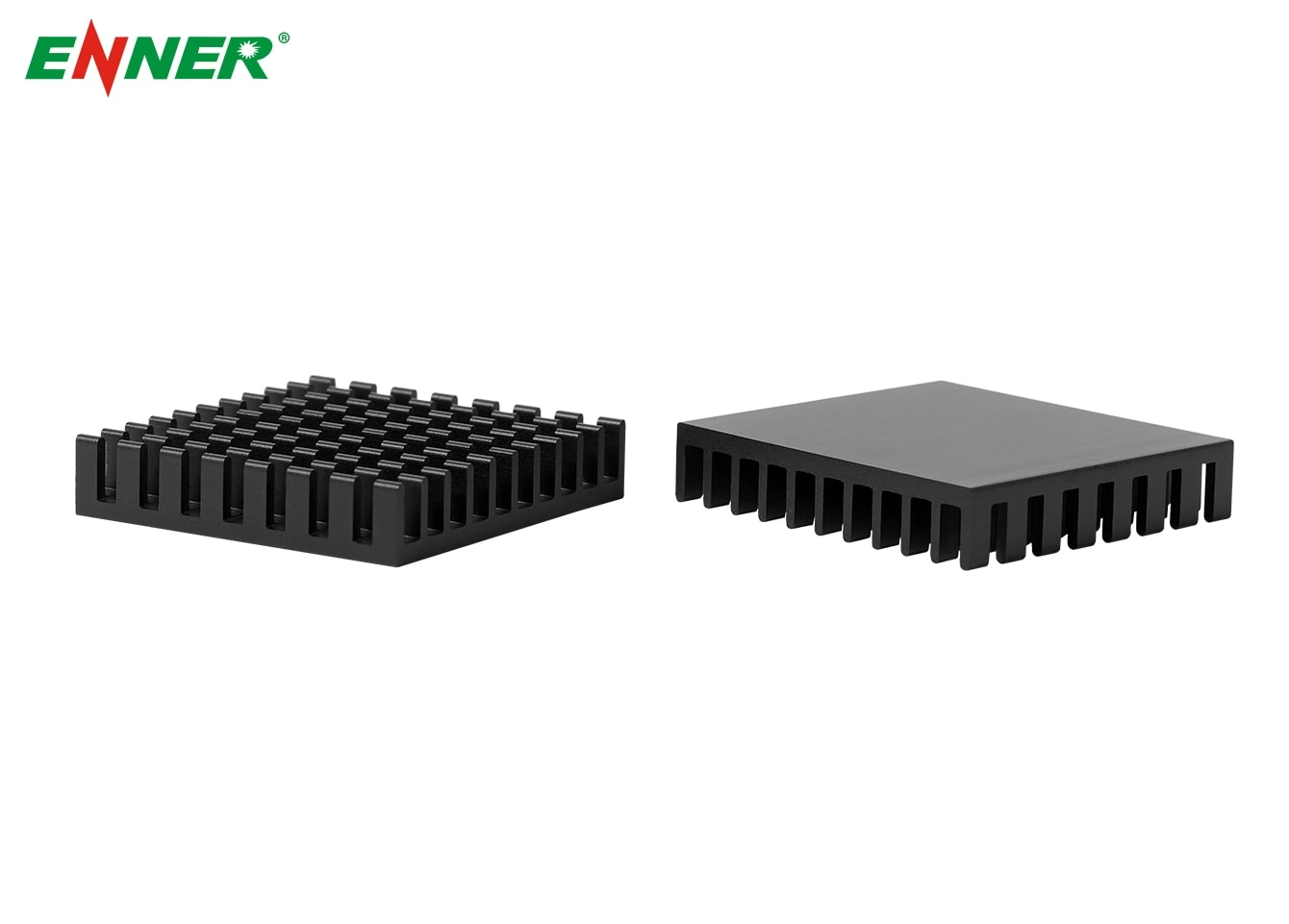
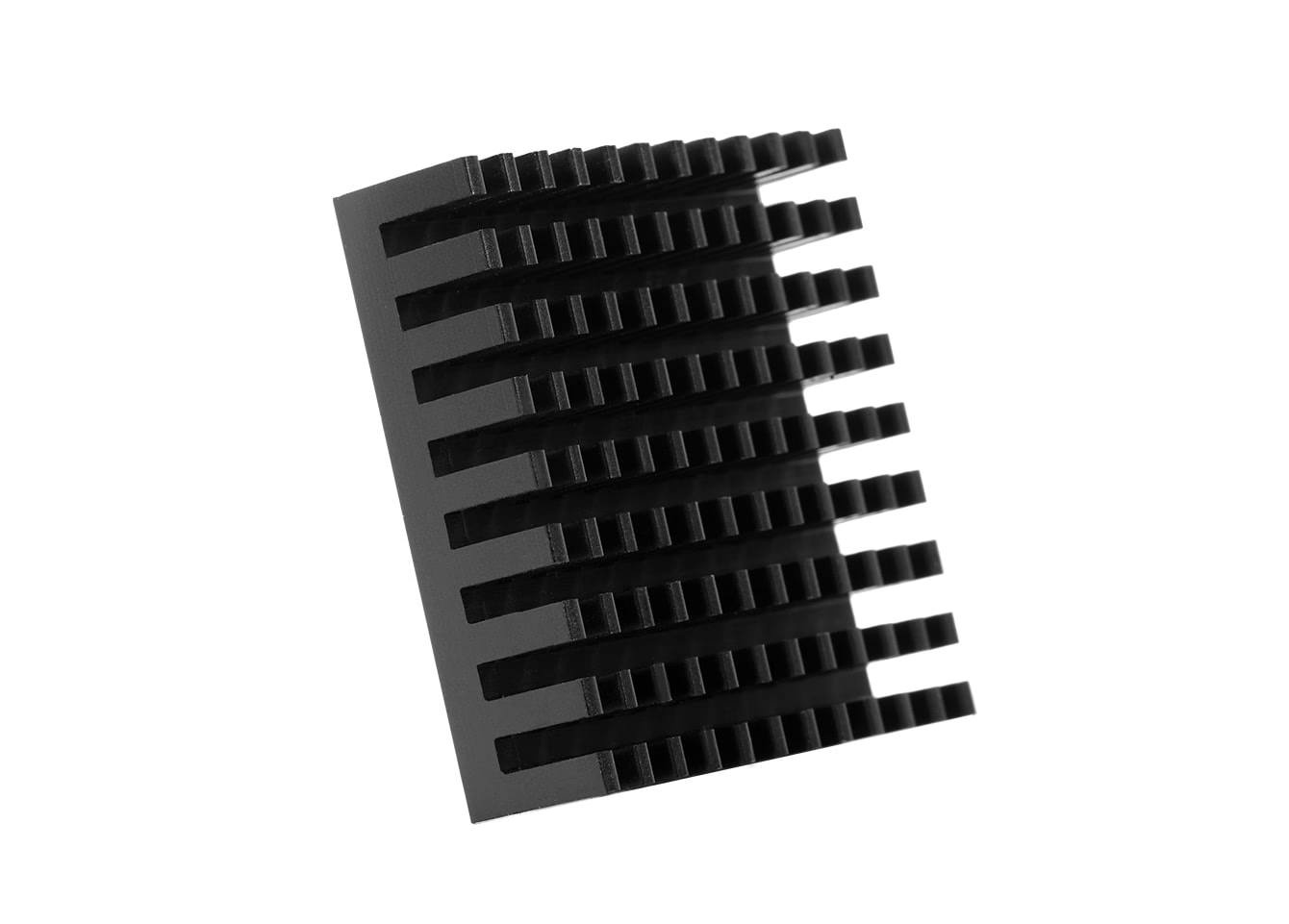
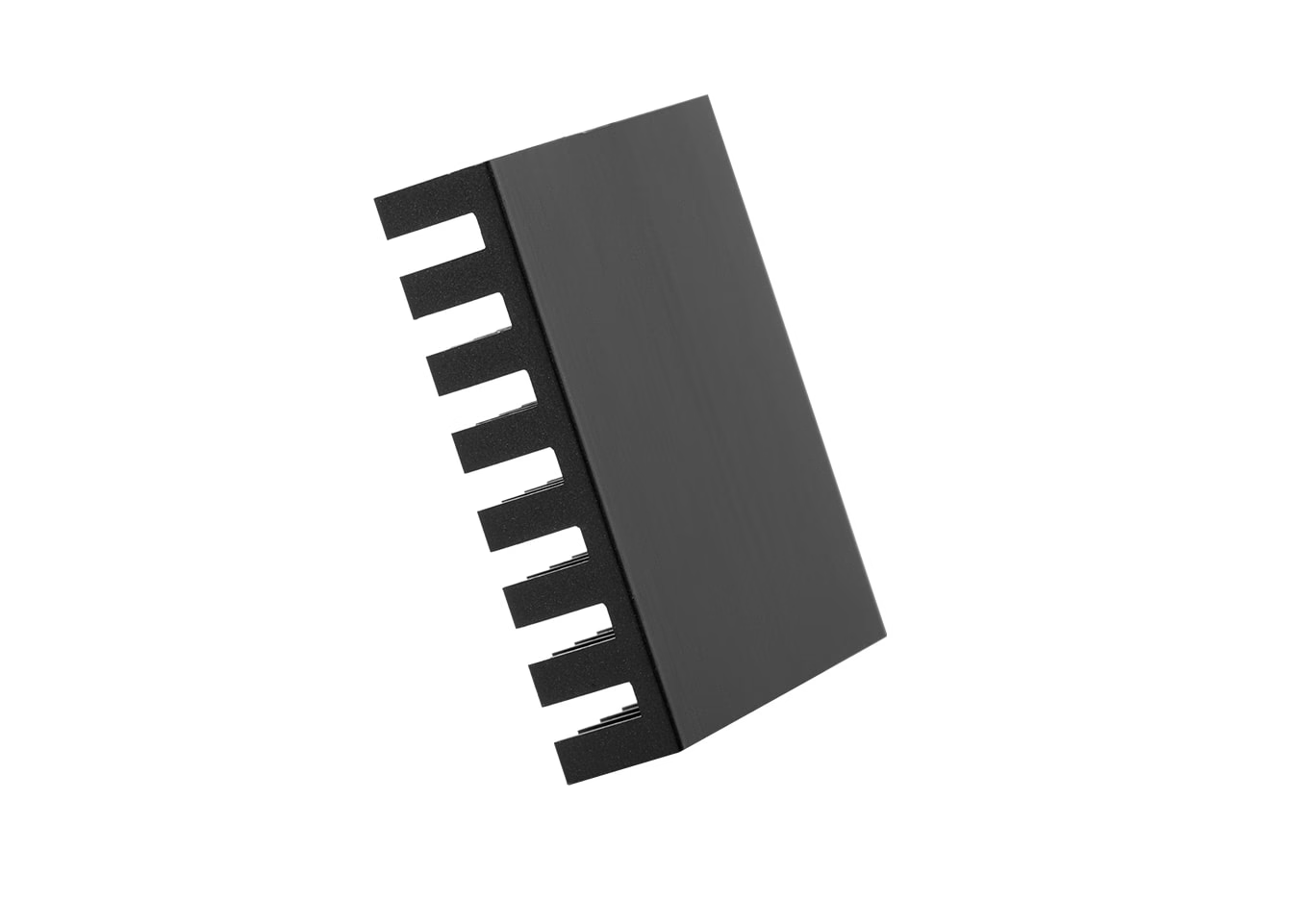

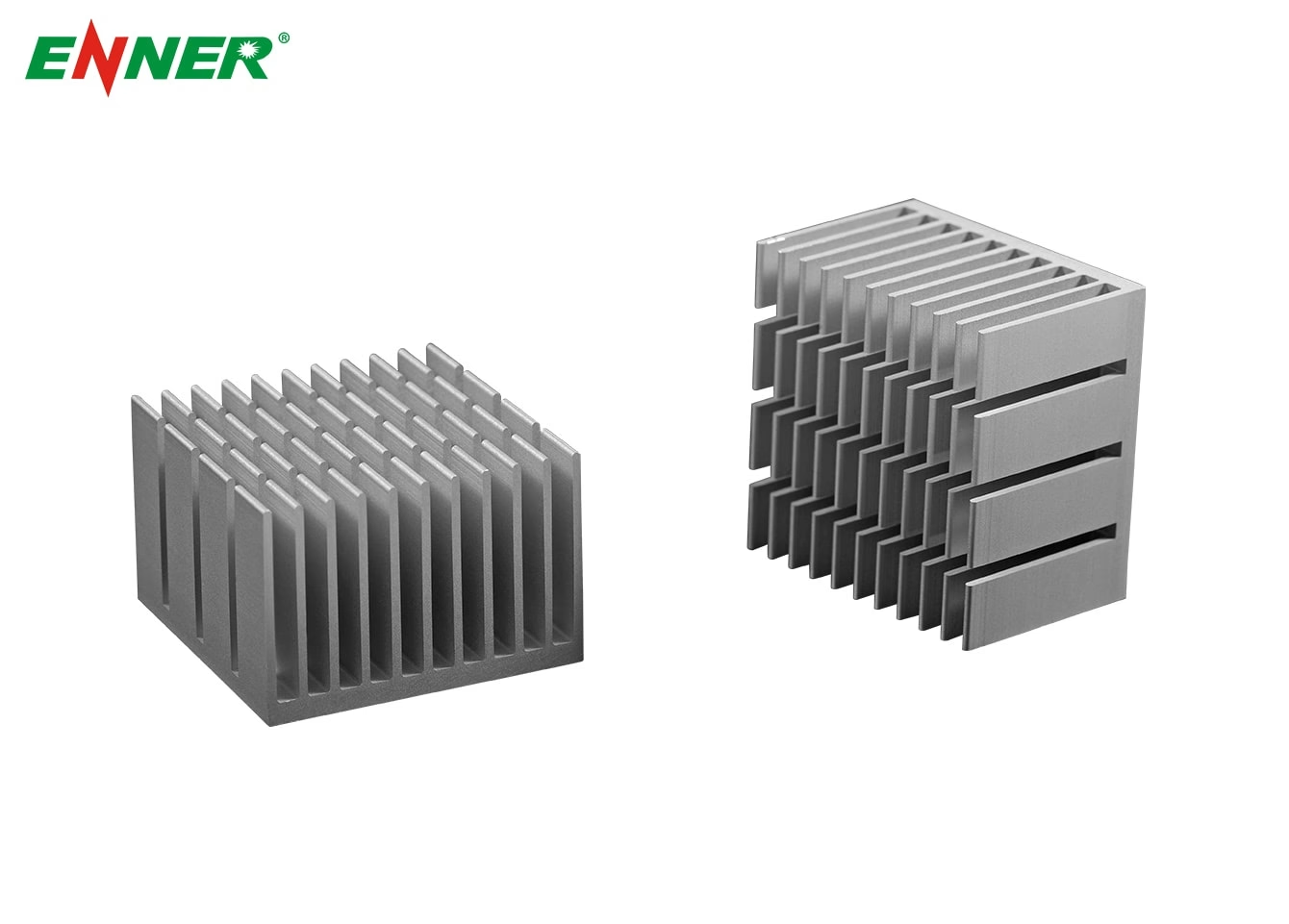
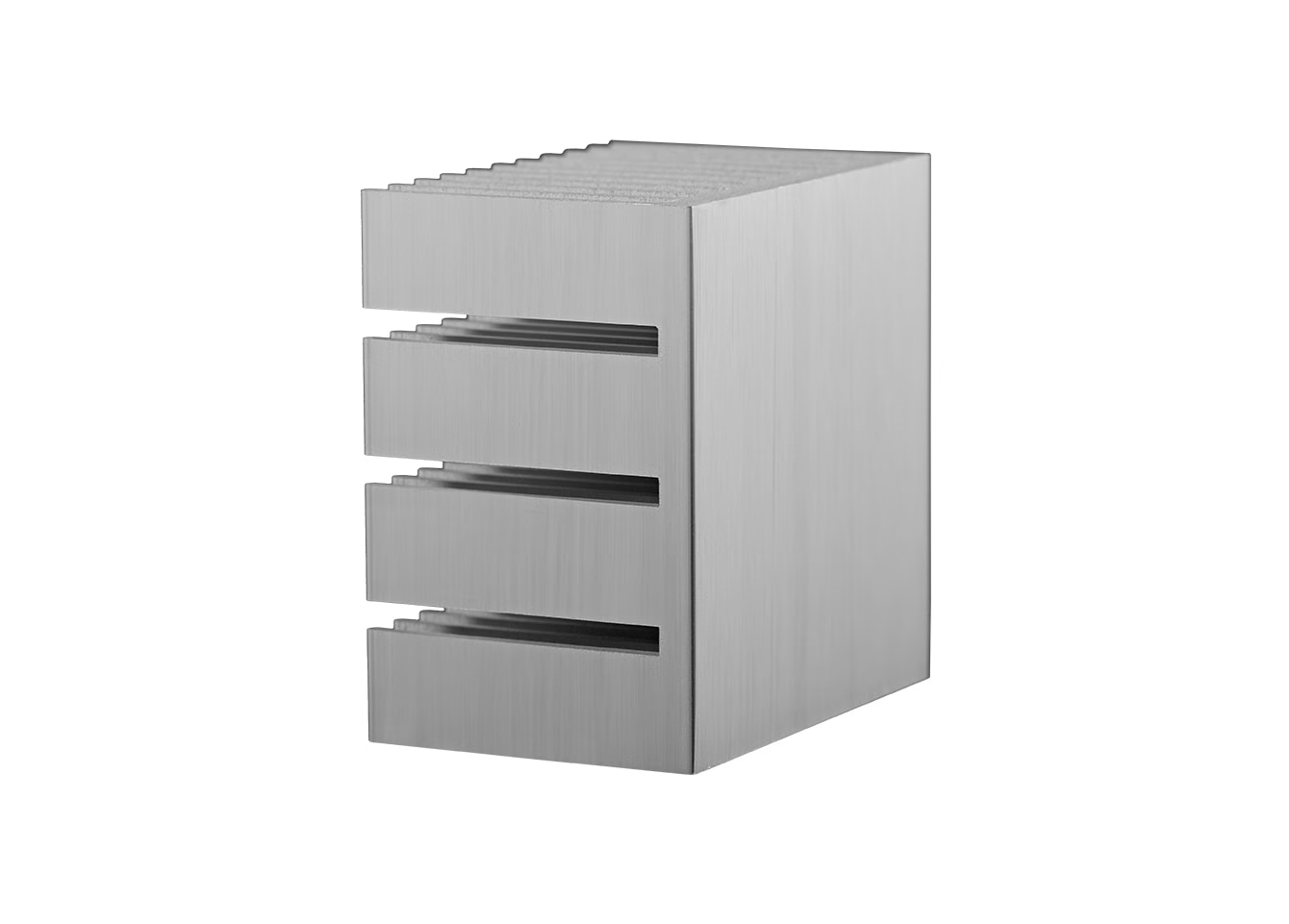
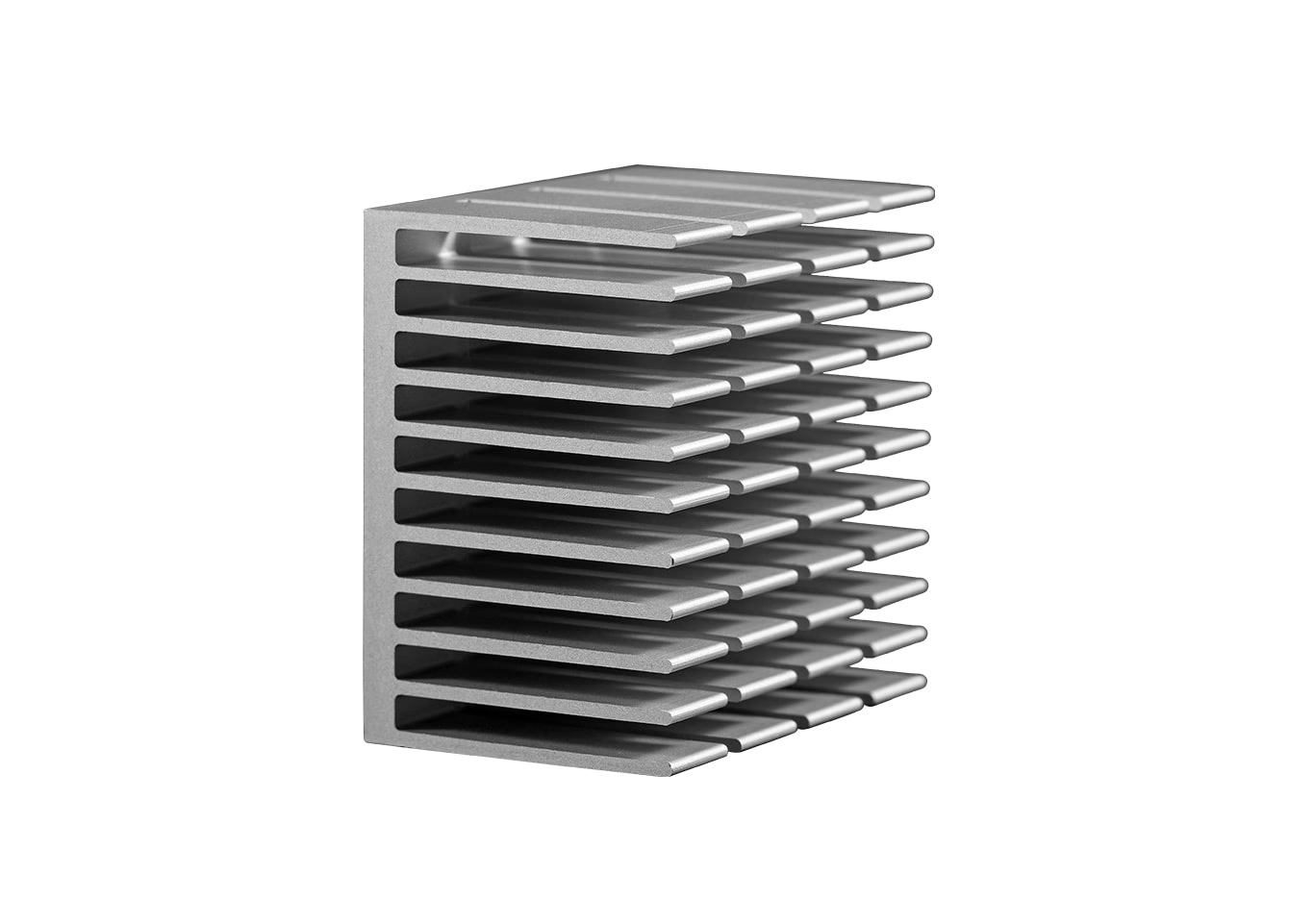
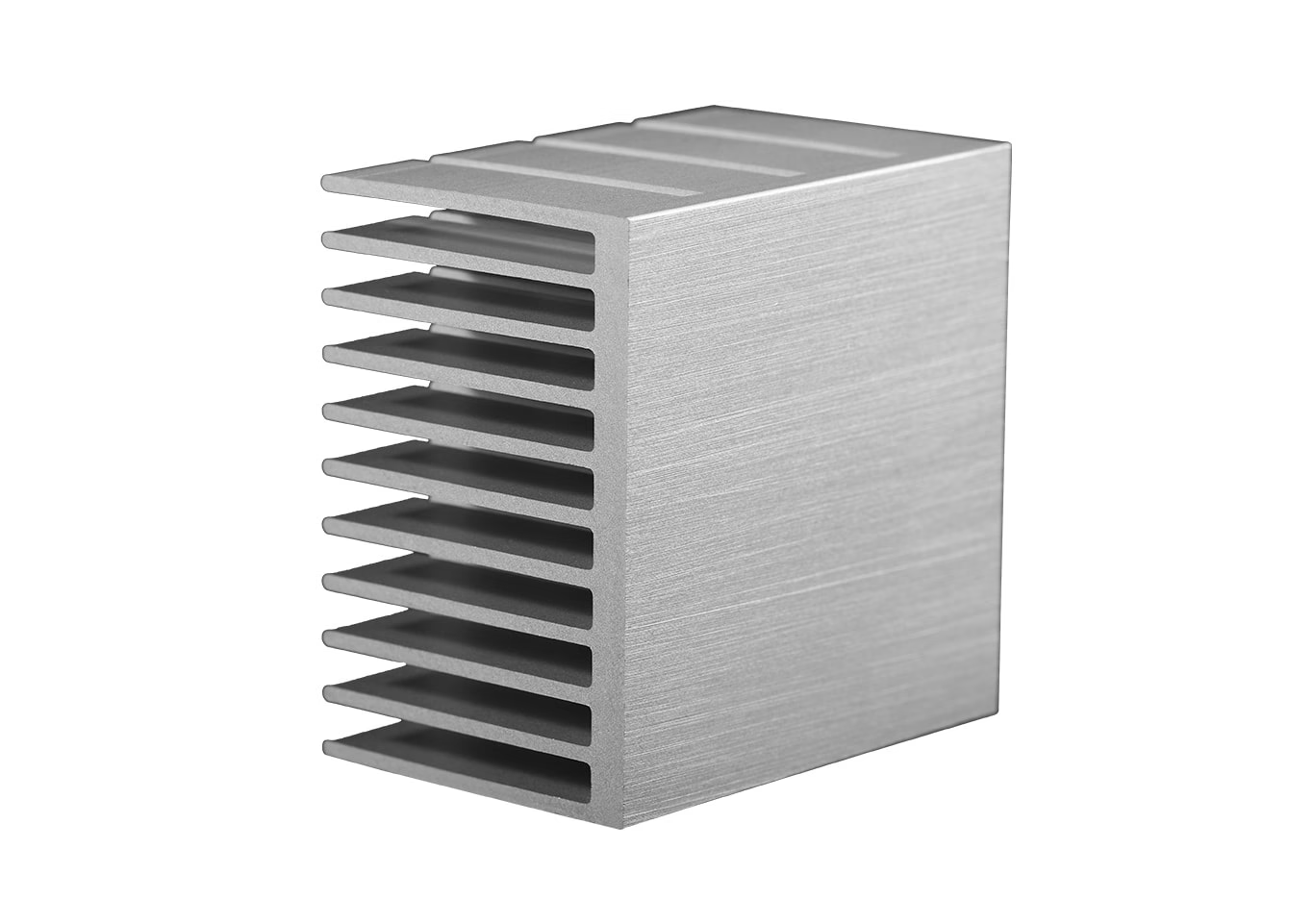

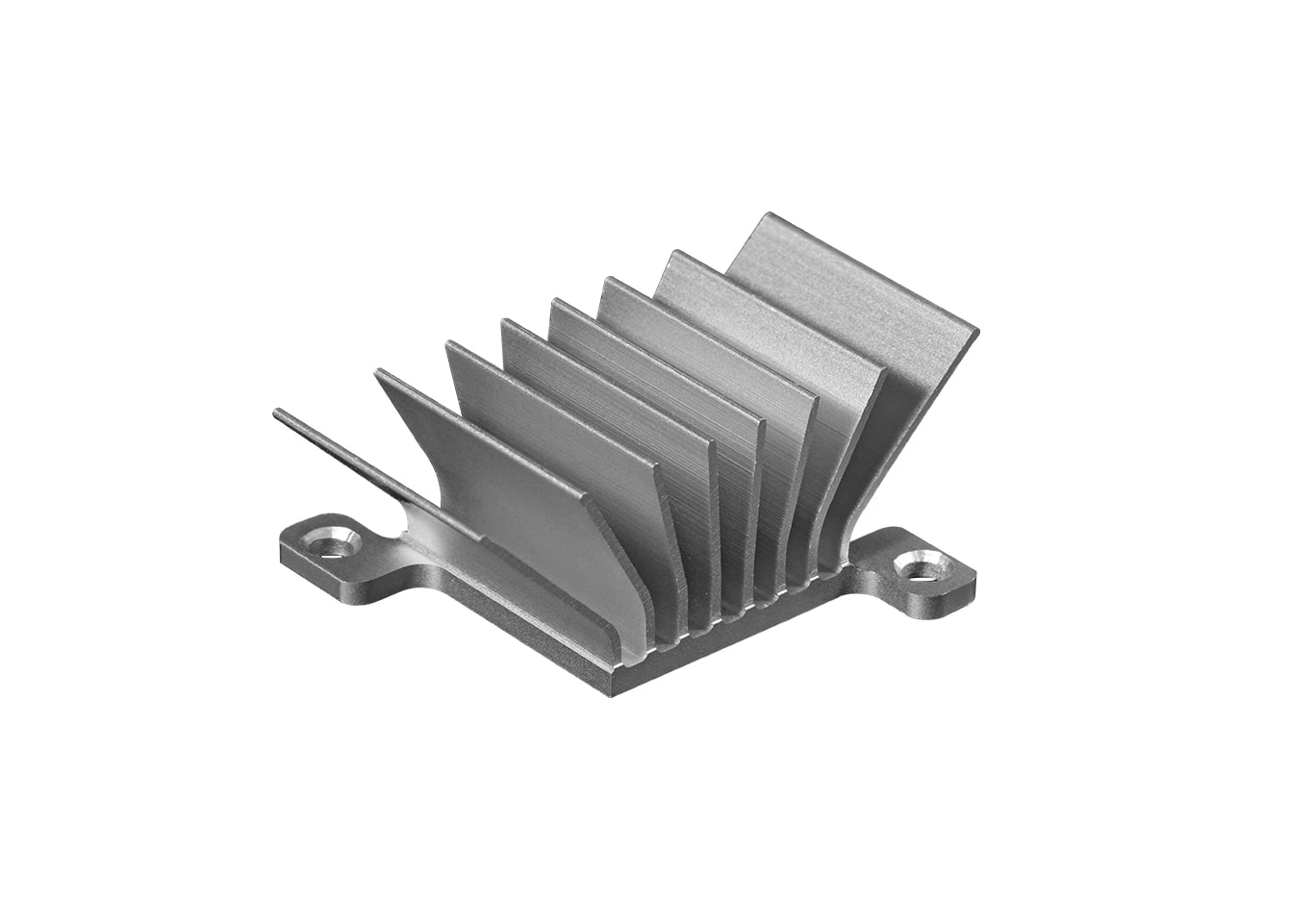
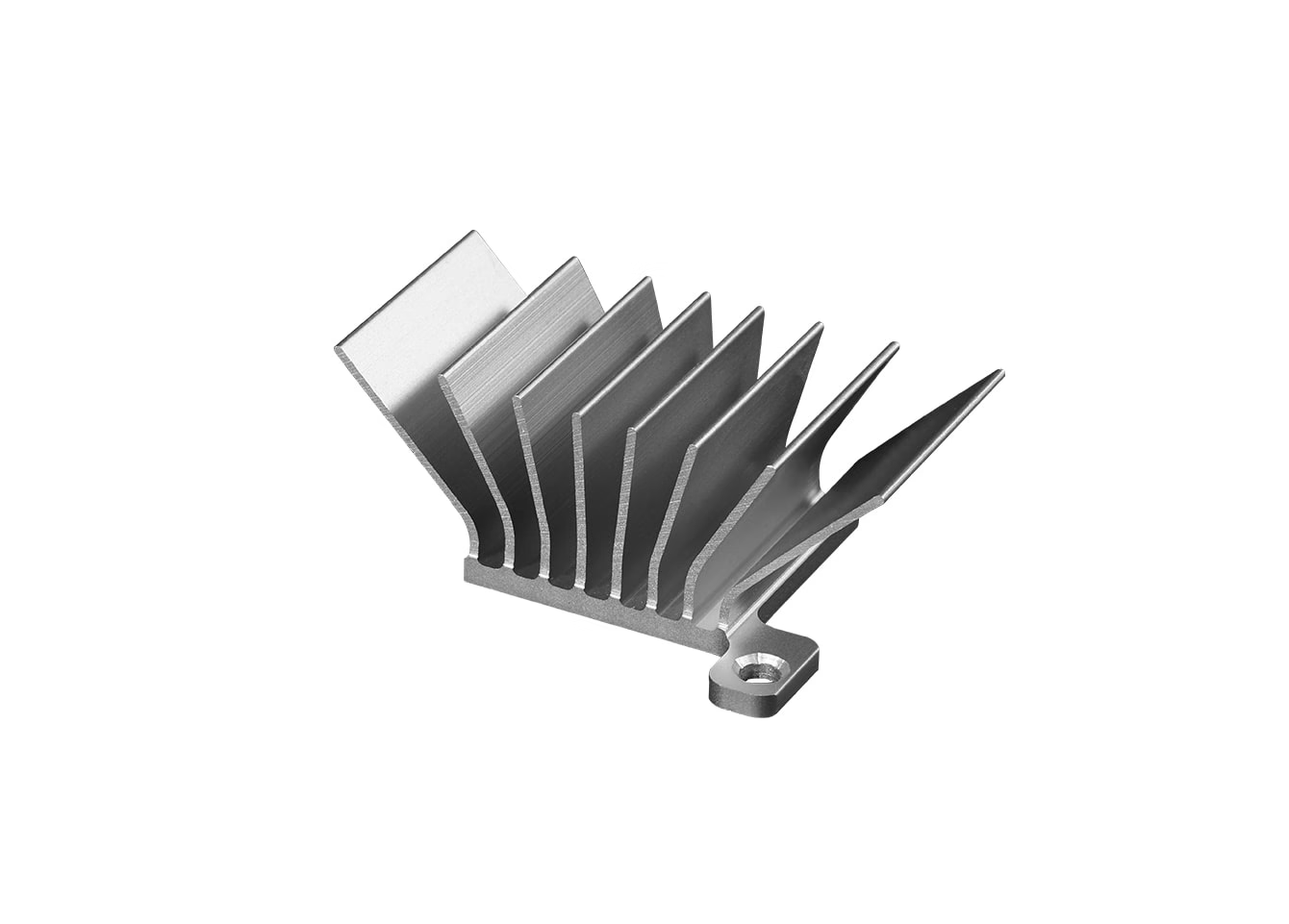
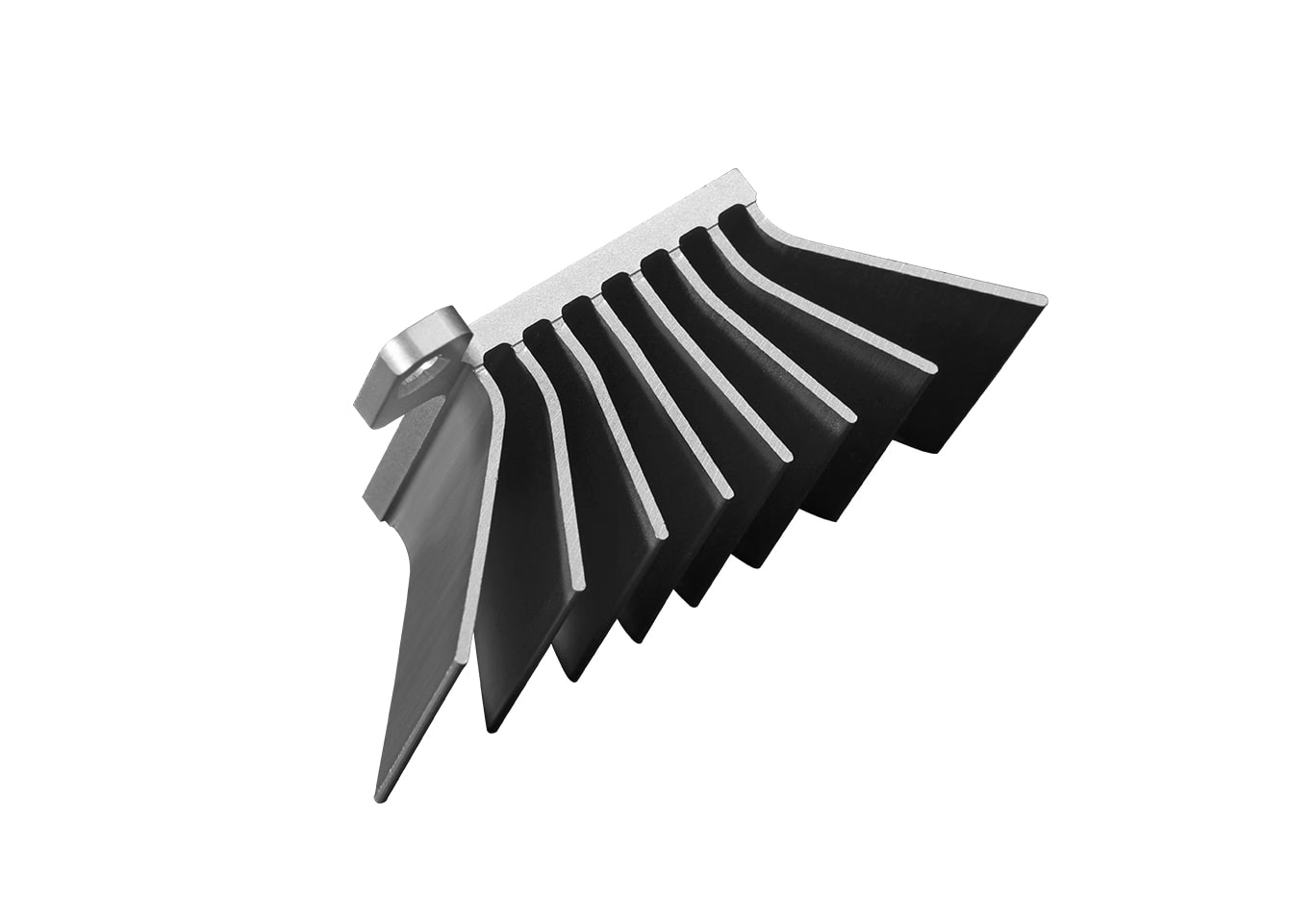
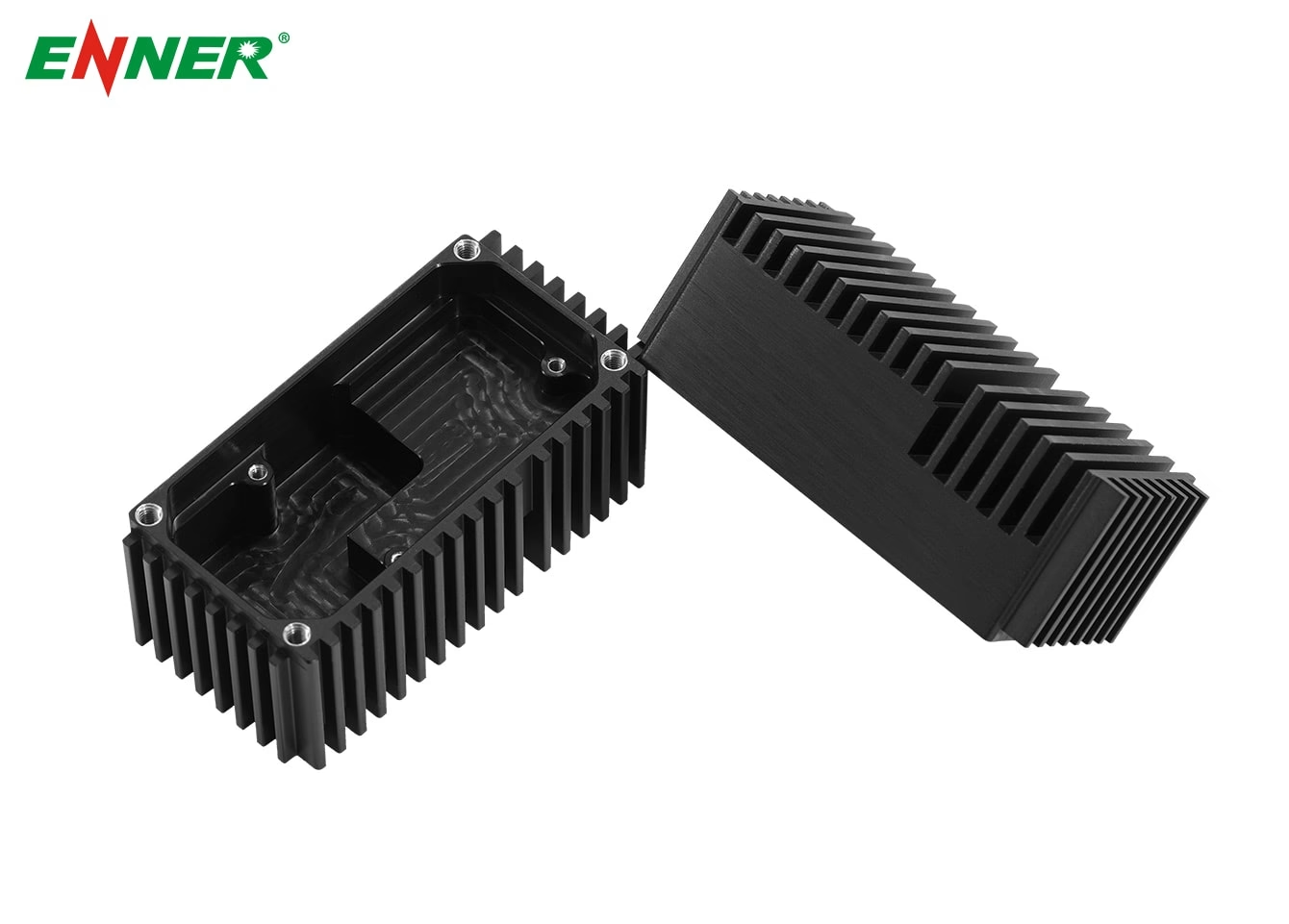
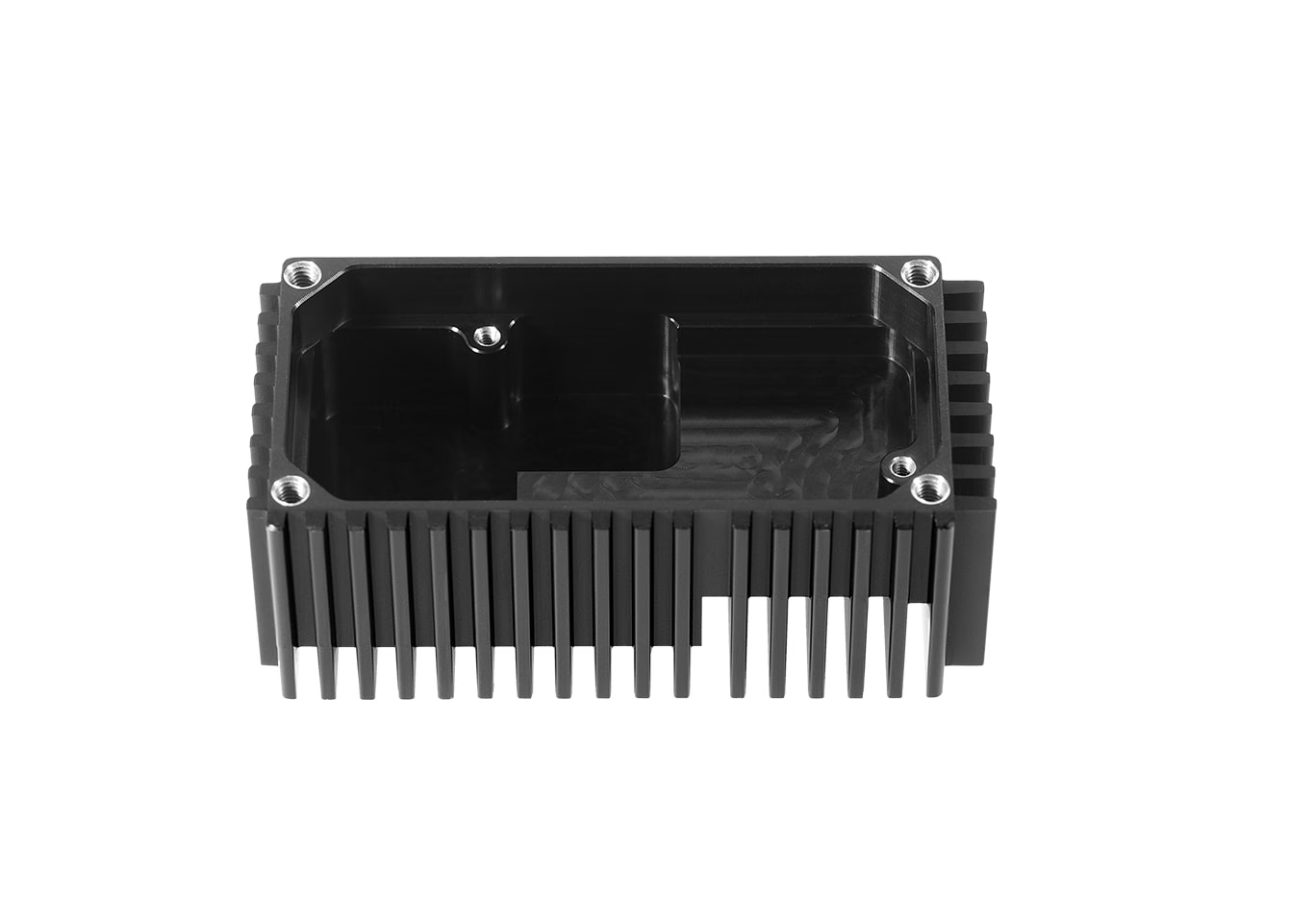
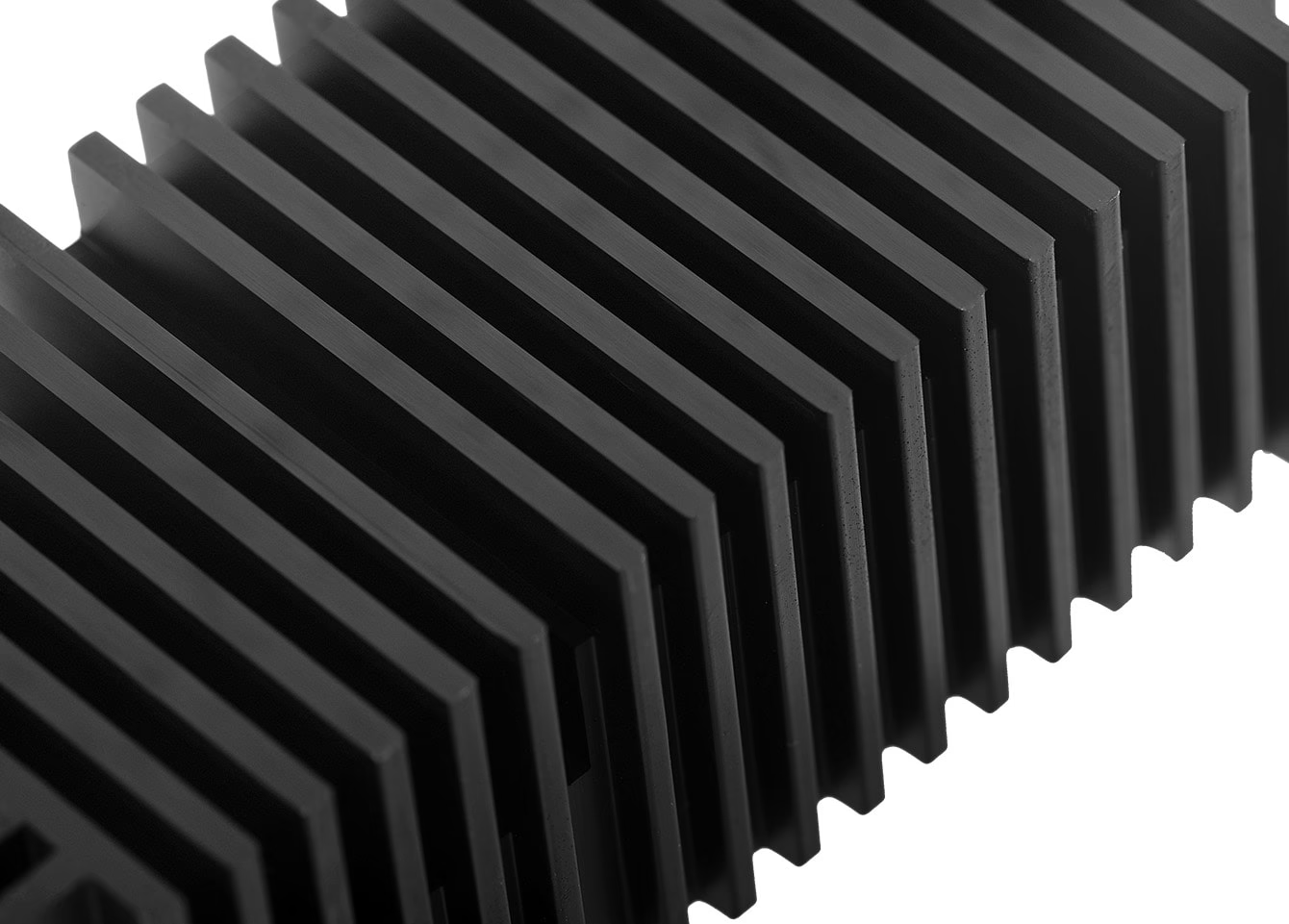
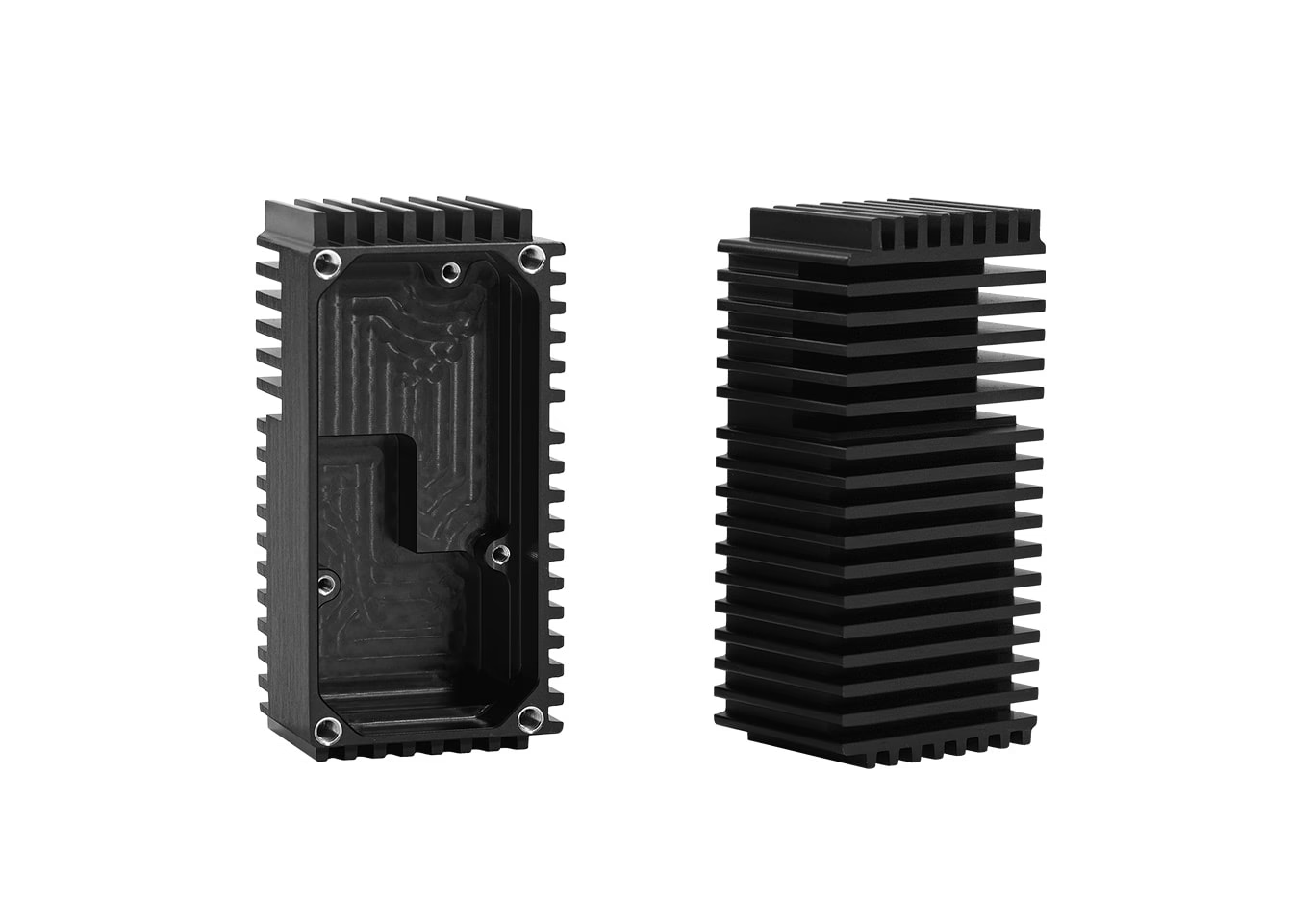
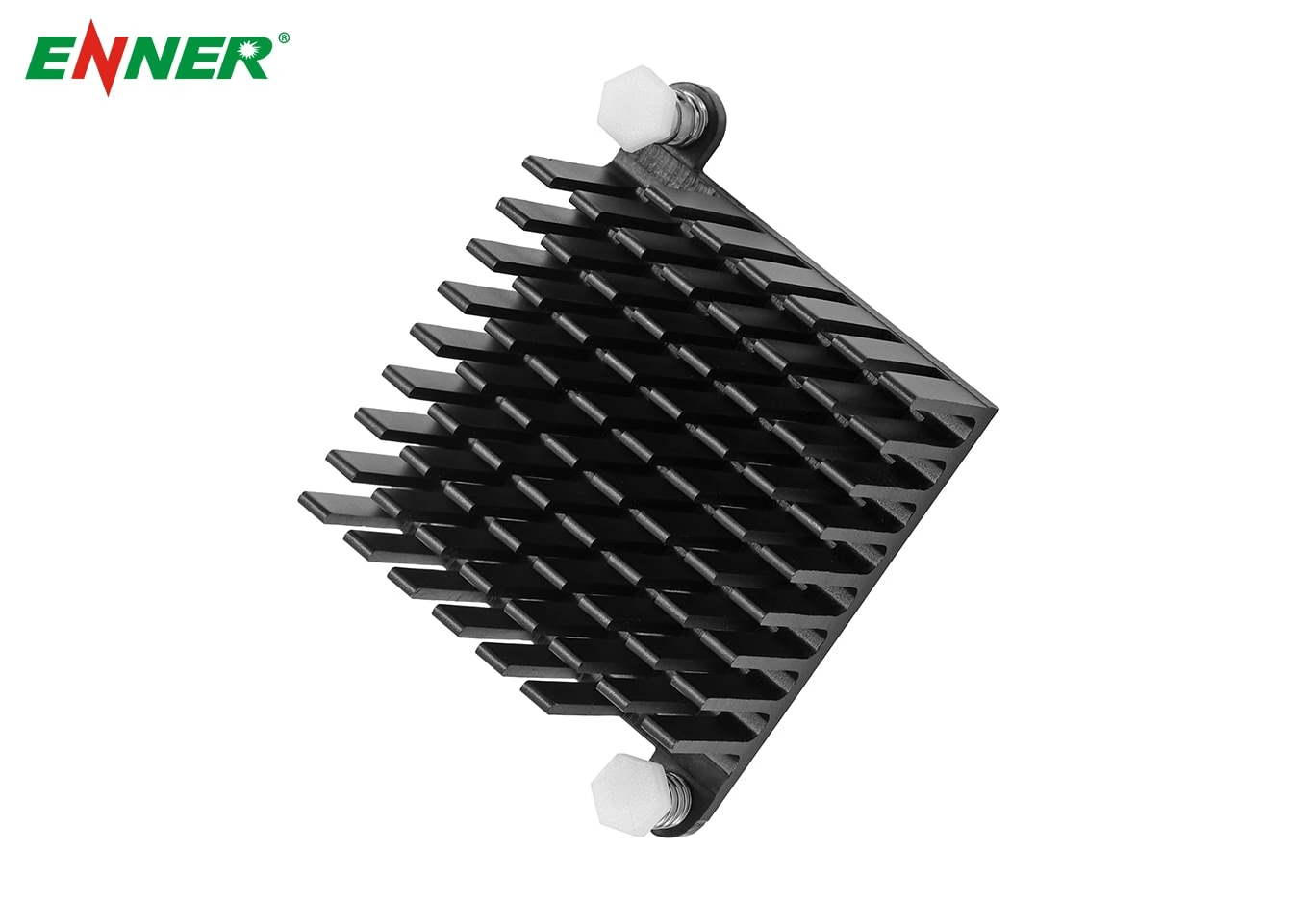
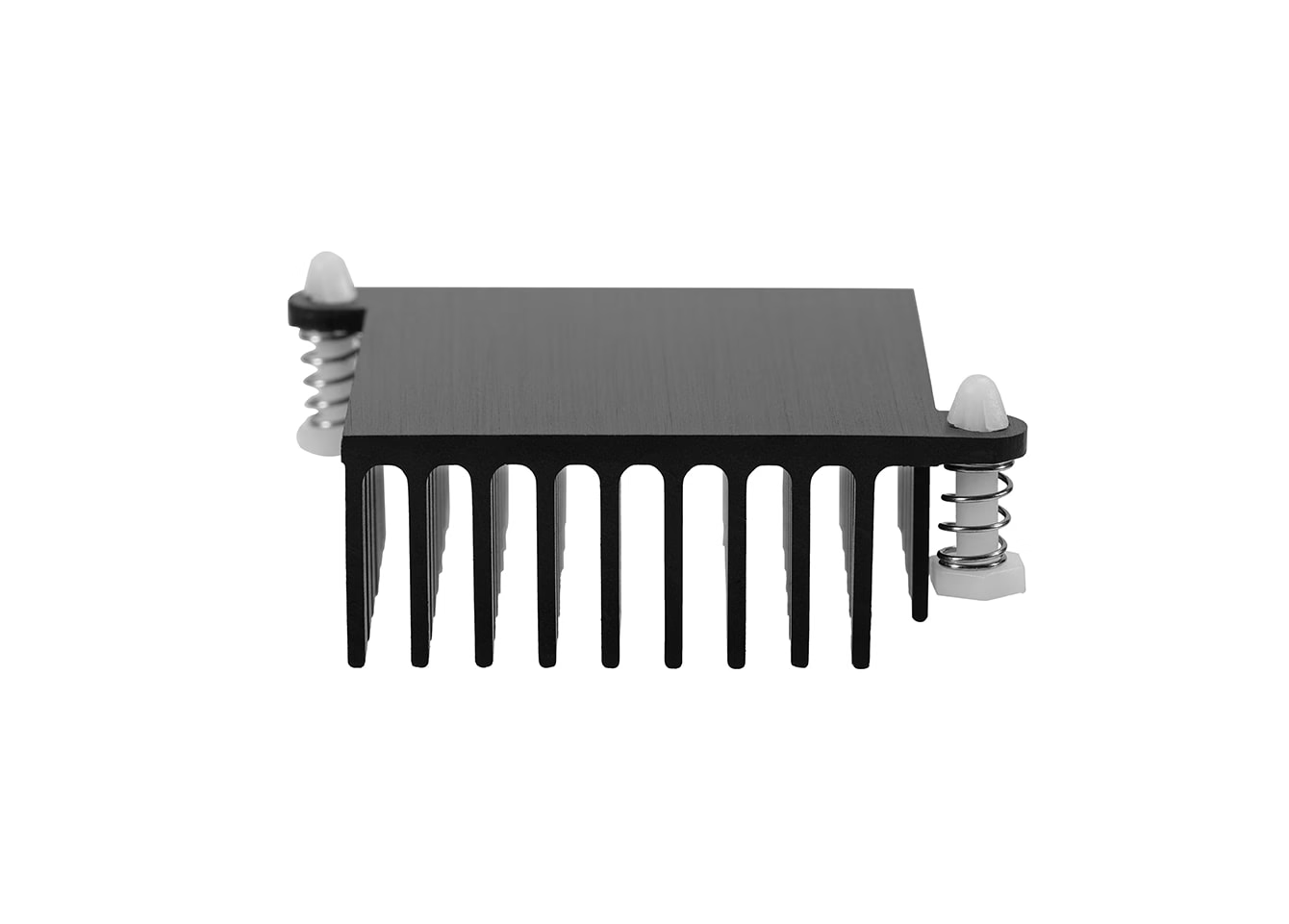
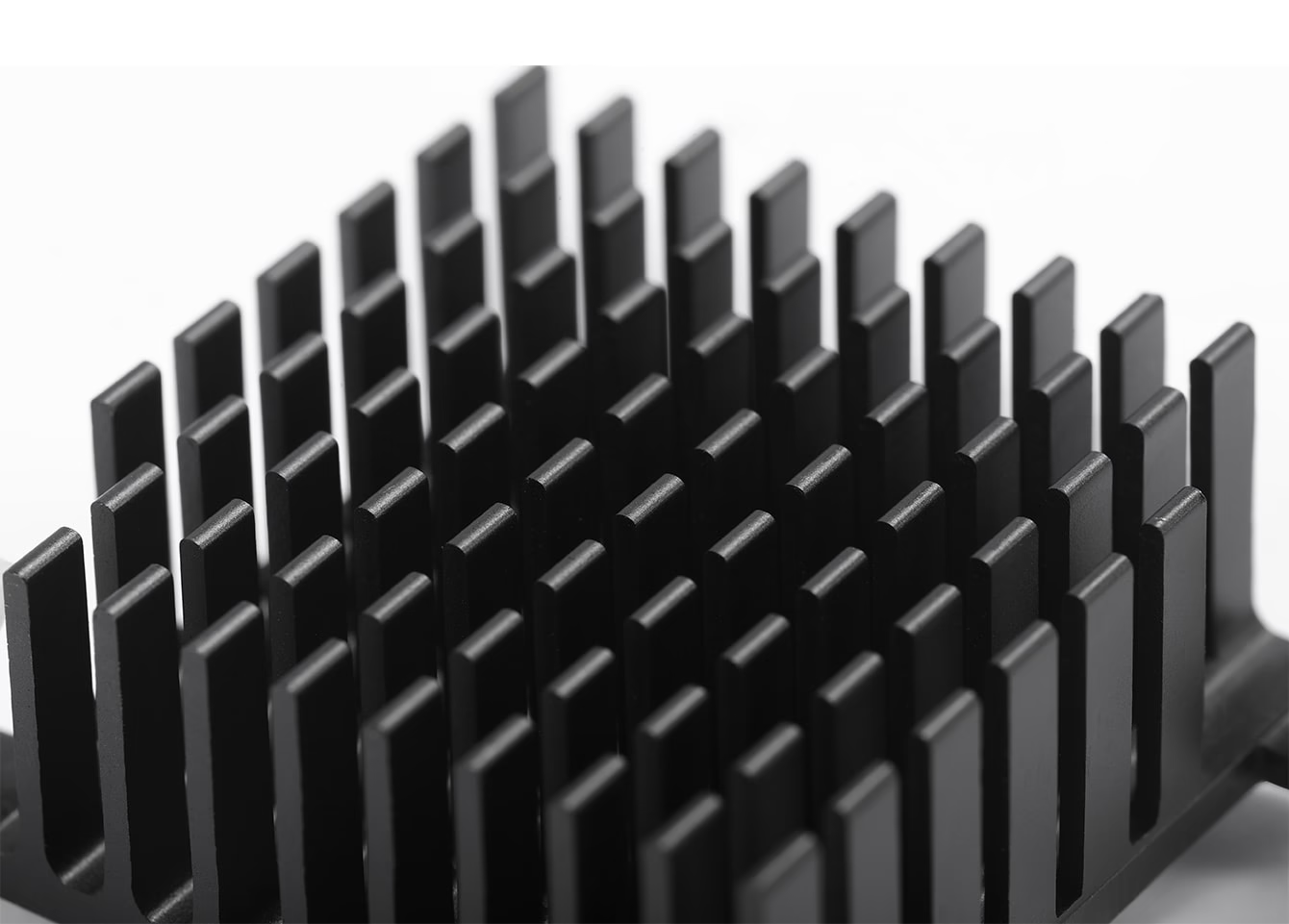

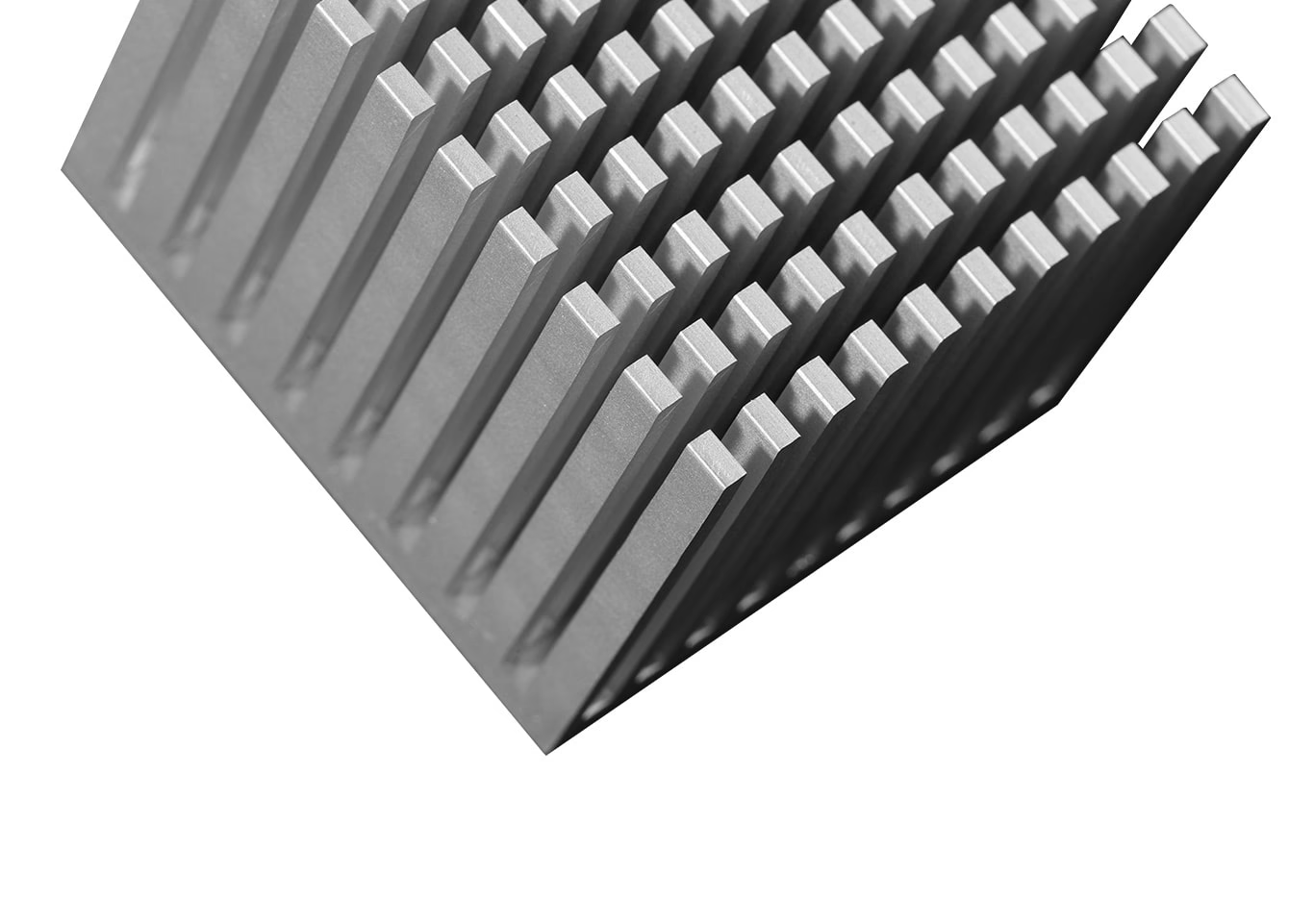

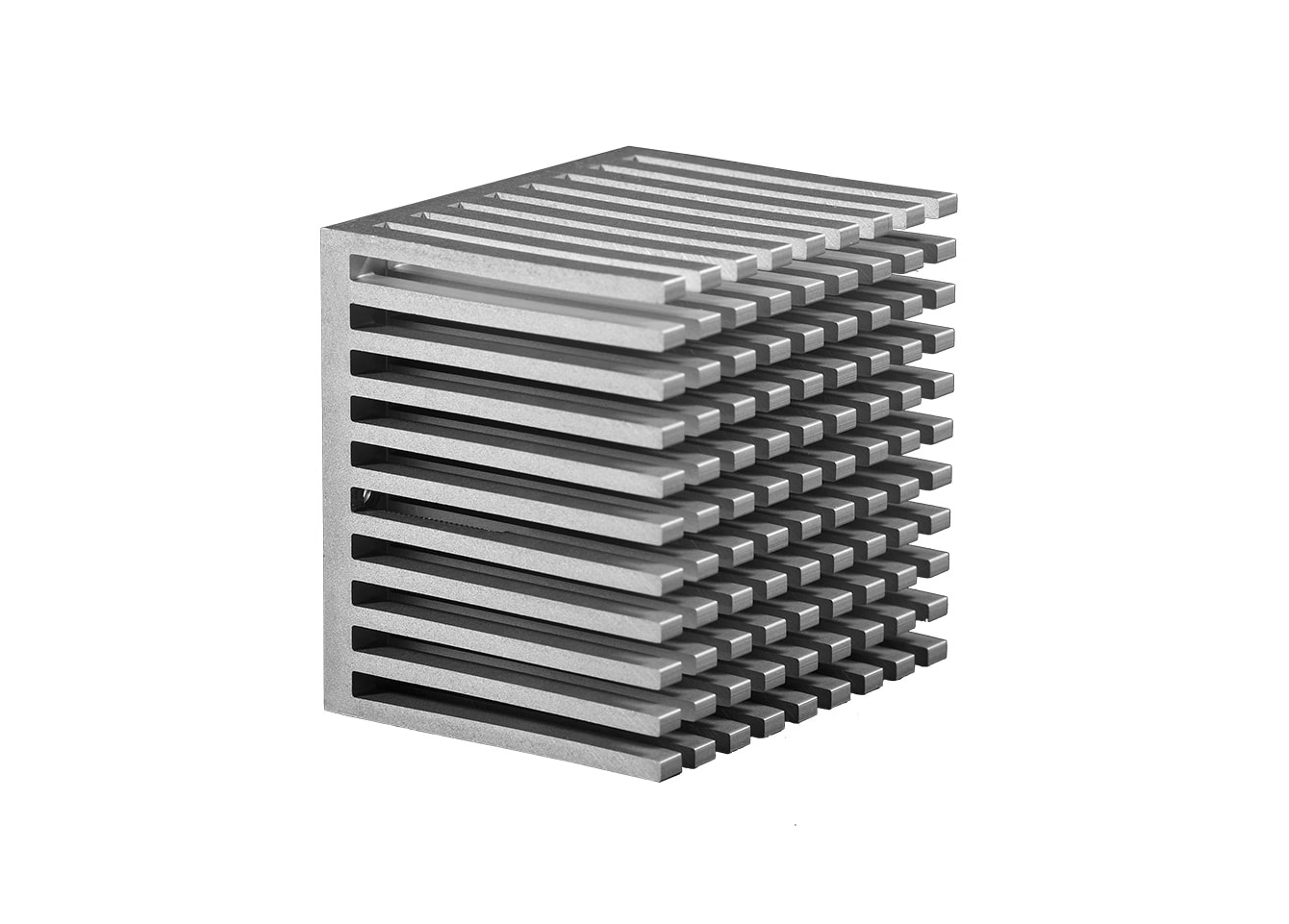
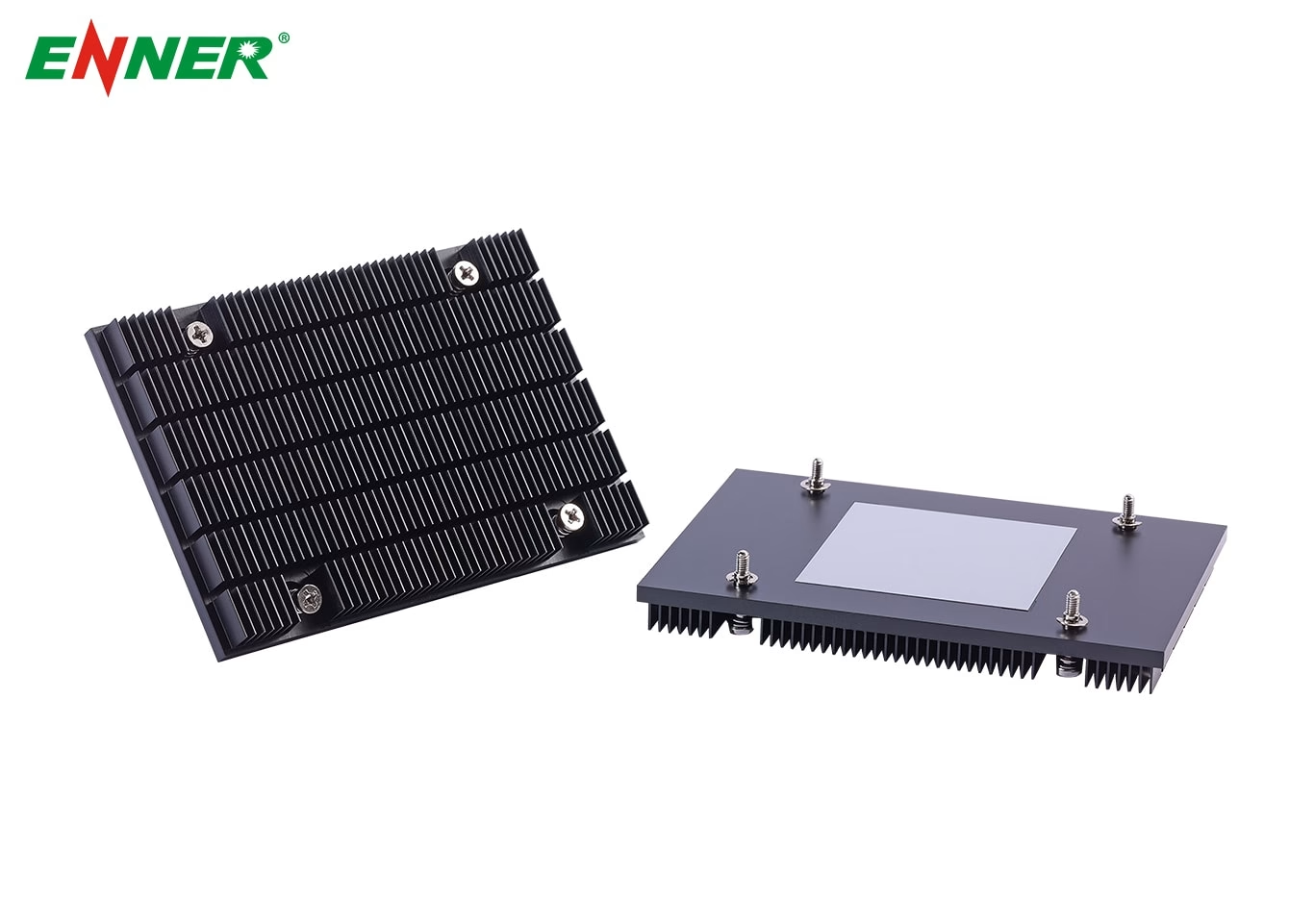
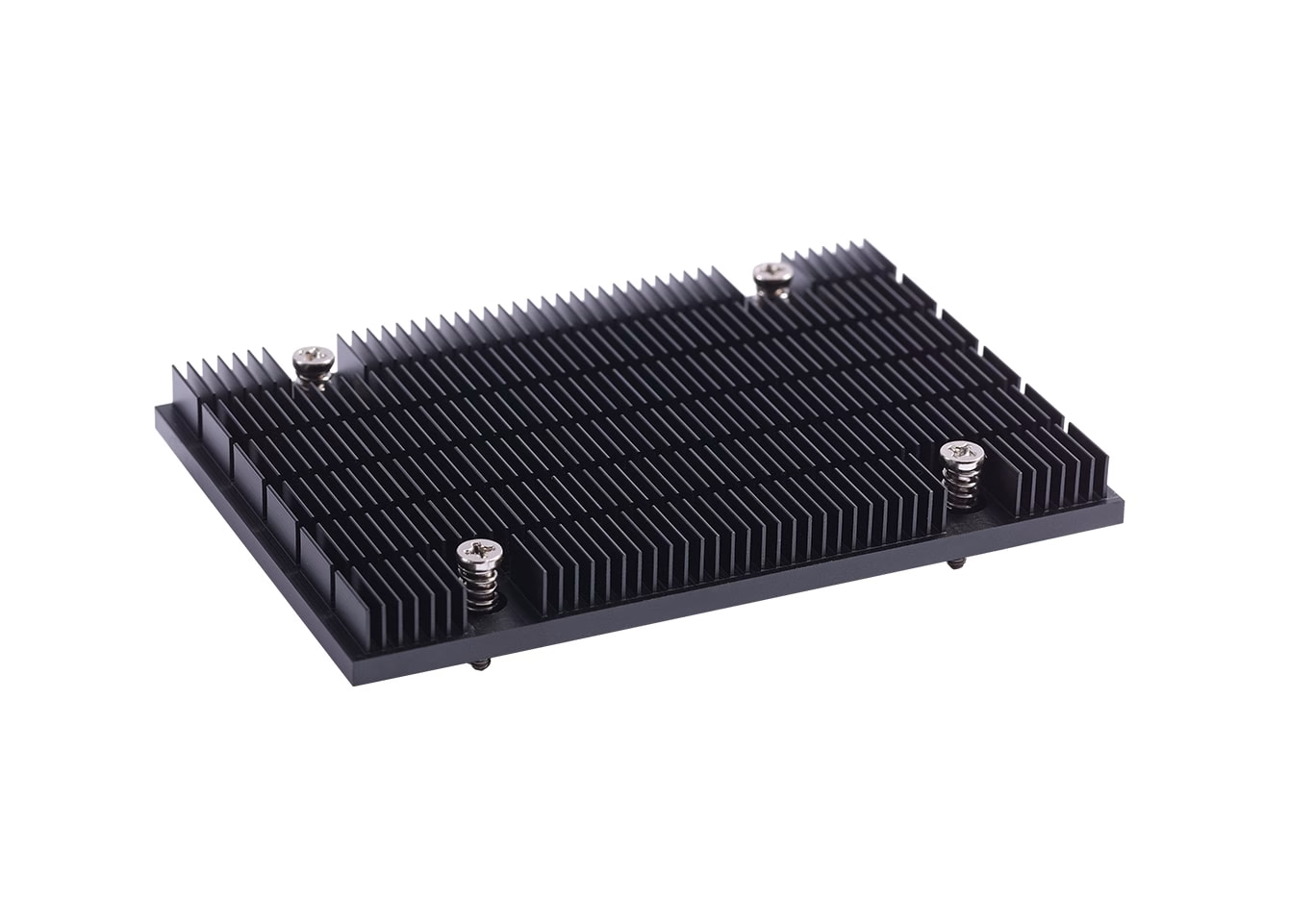
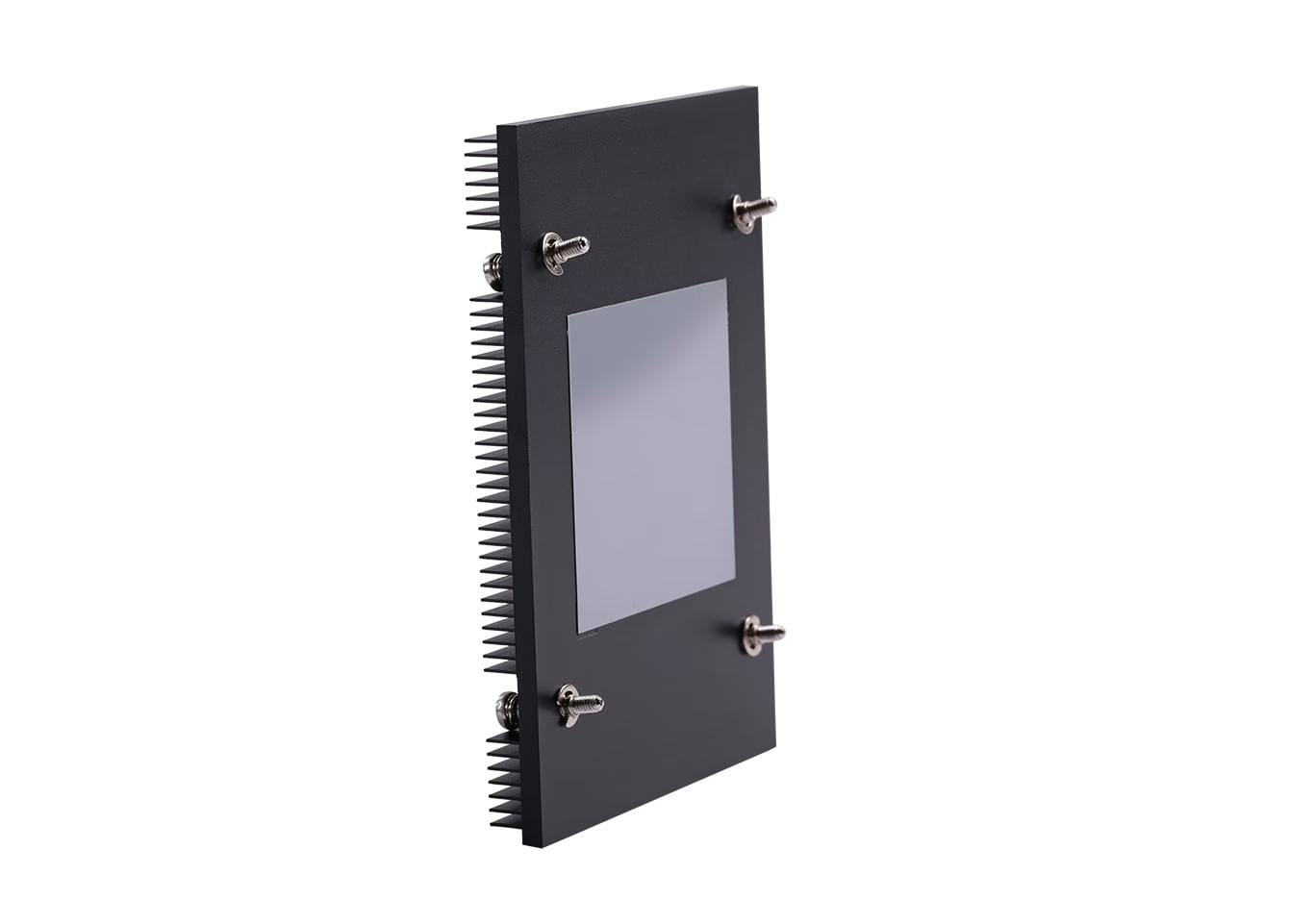
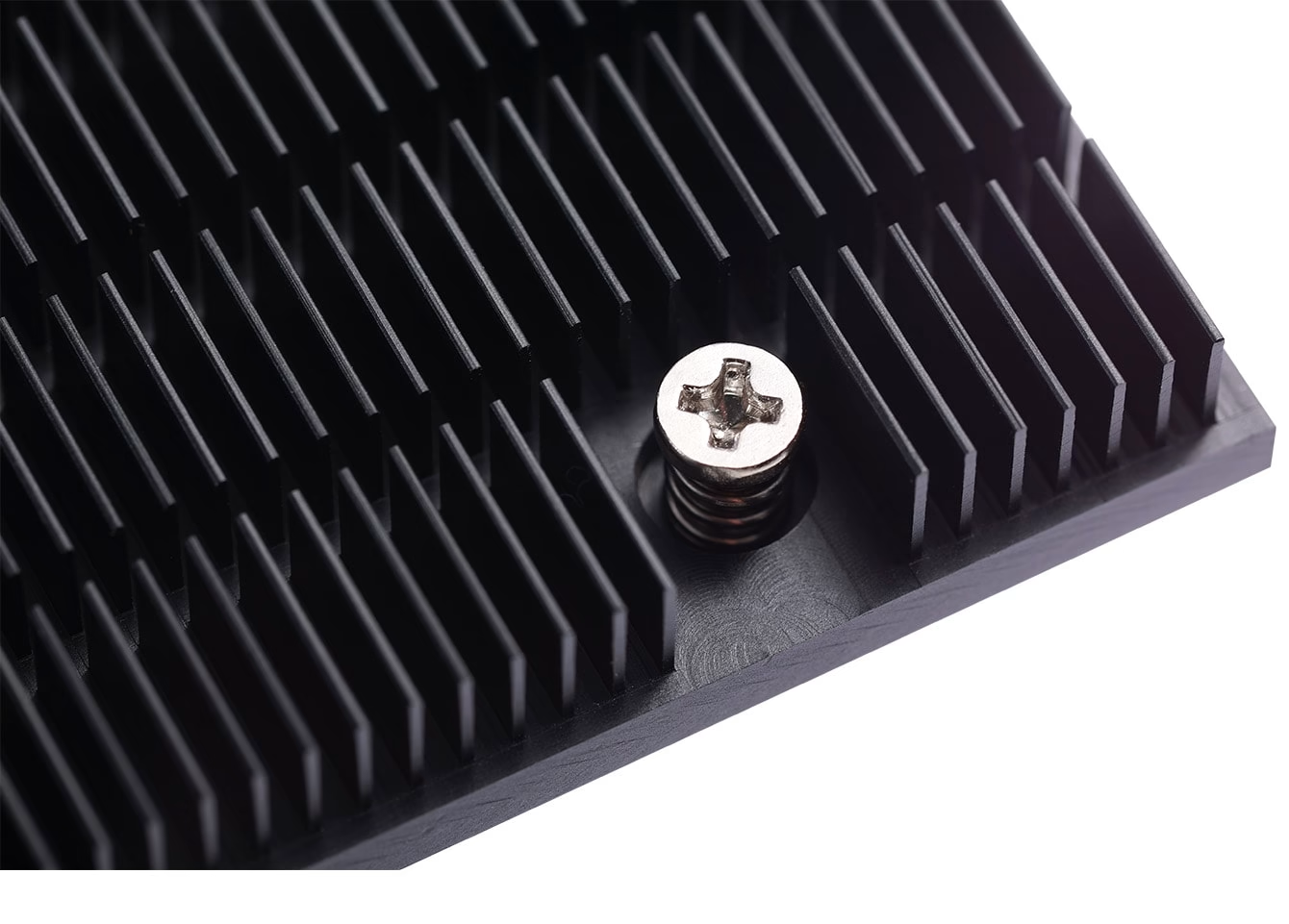
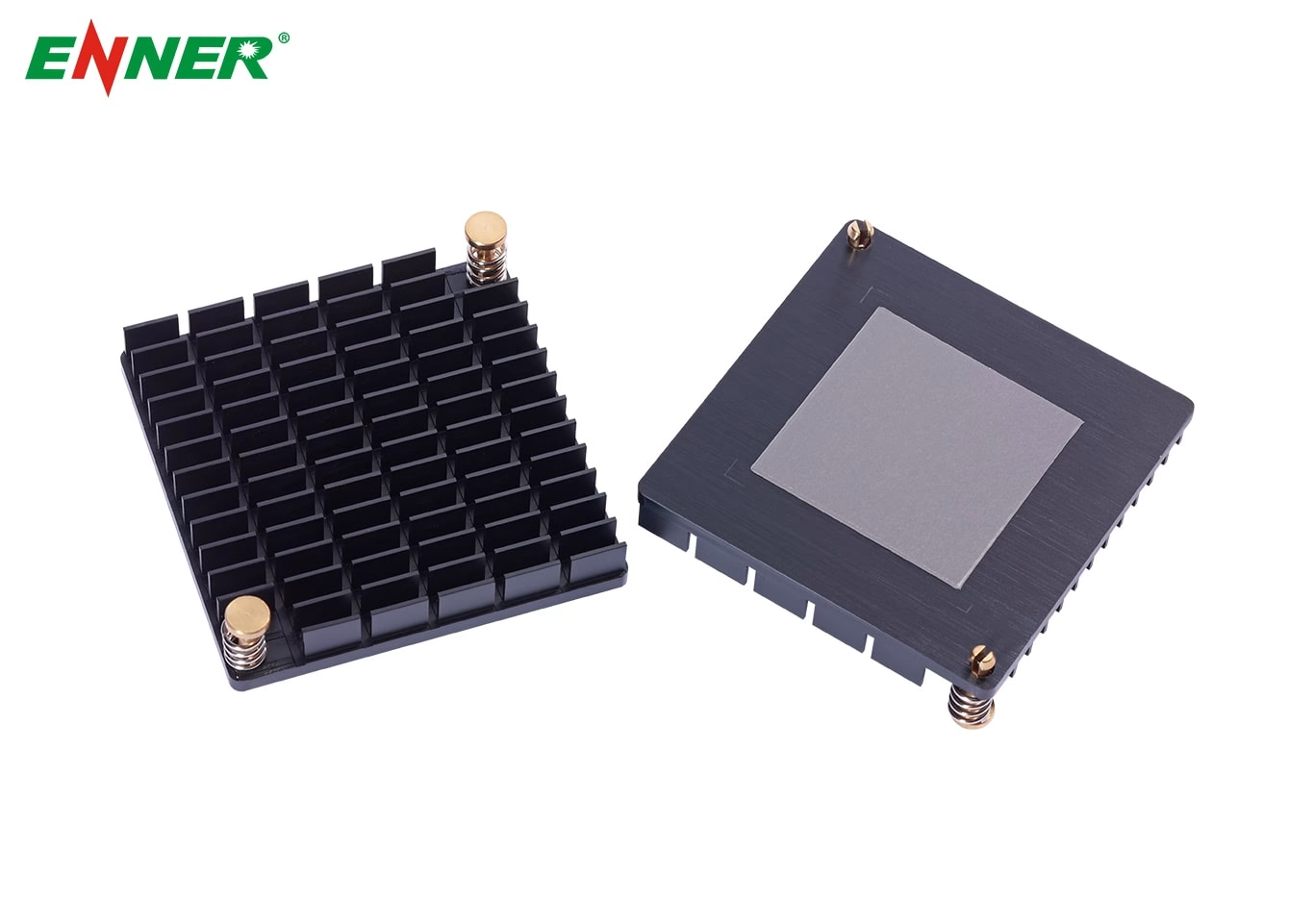
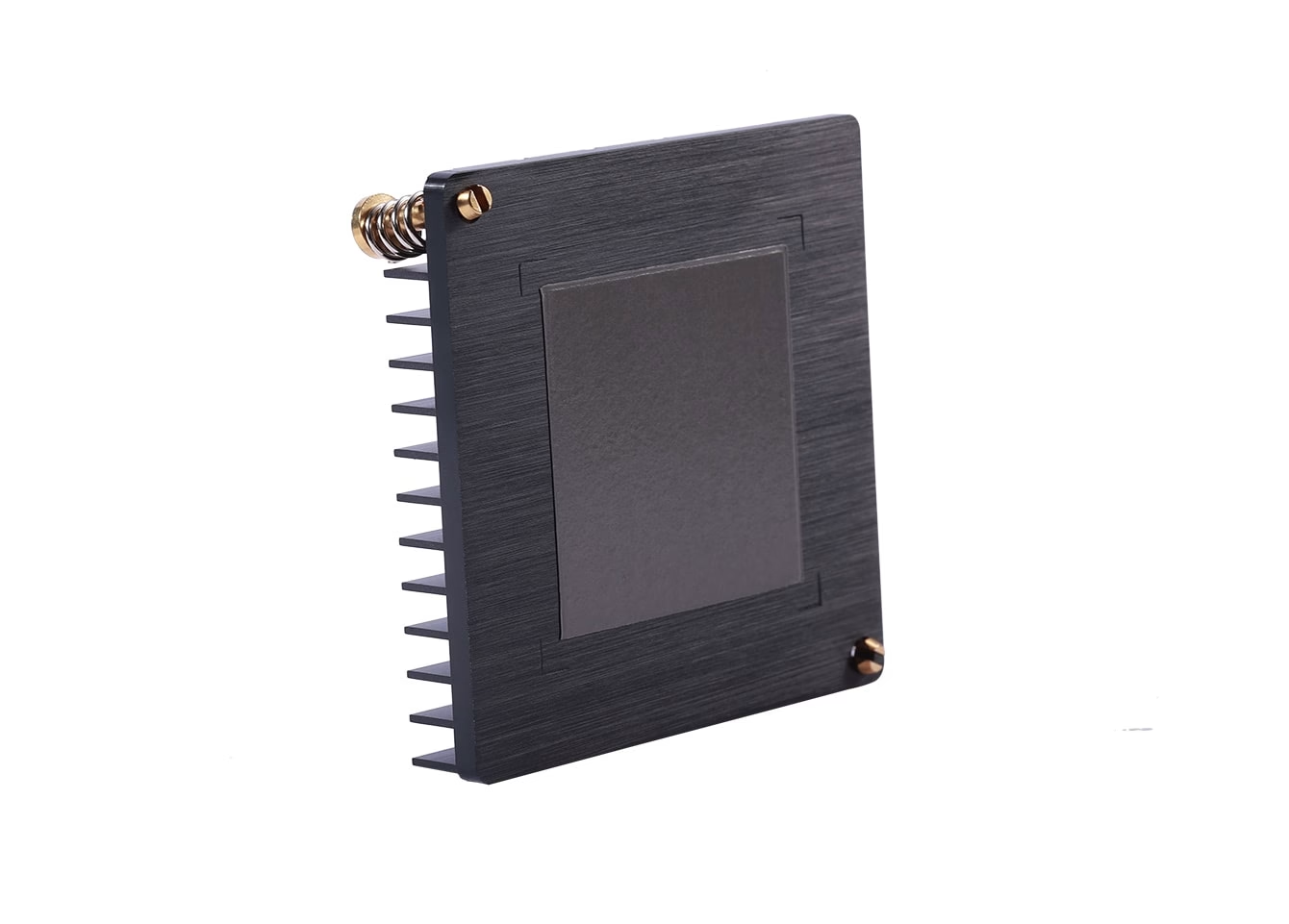
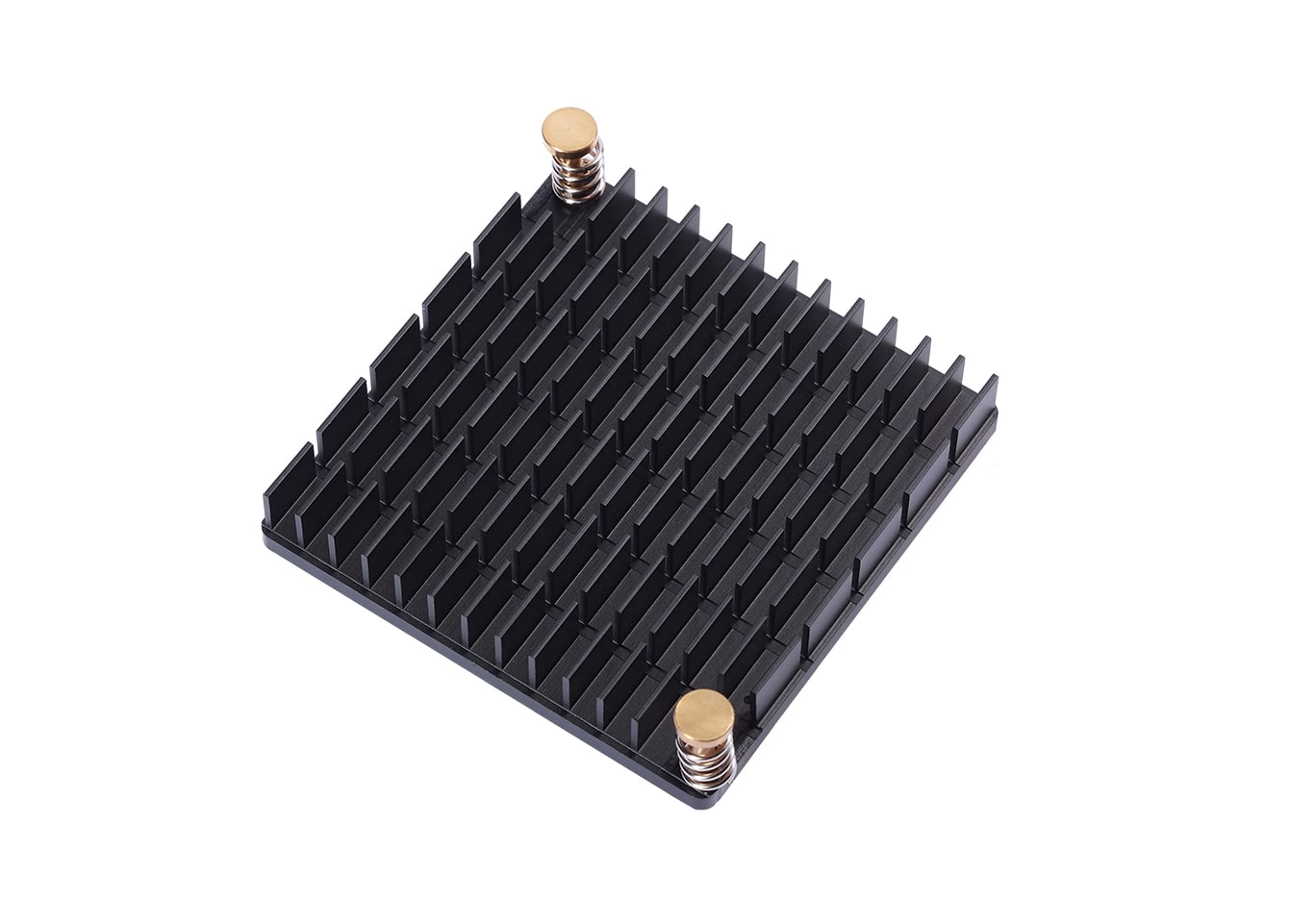
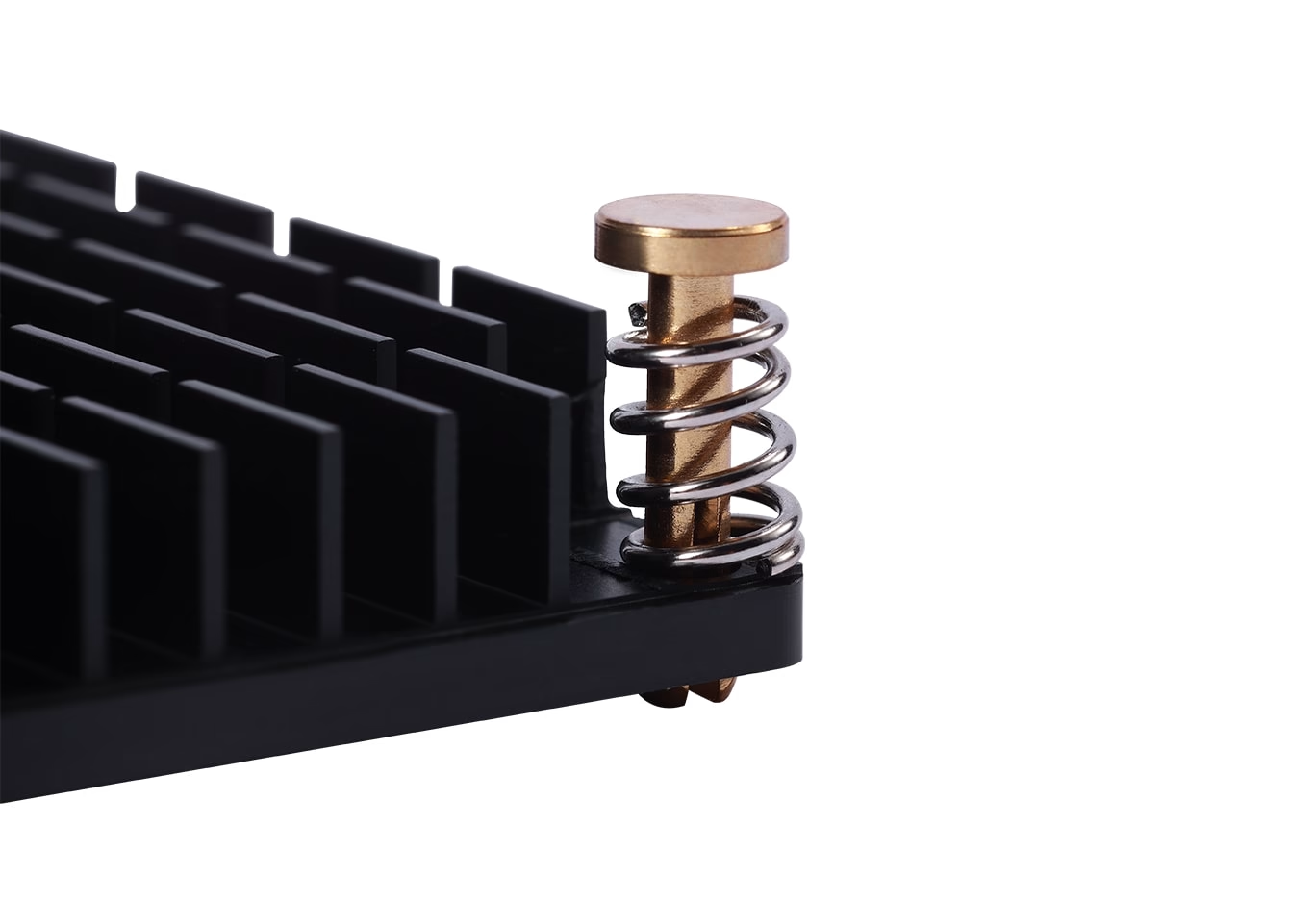
An extruded heat sink is created by pushing aluminum through a precisely shaped die, forming a continuous profile with fins. This process delivers a cost-effective, efficient thermal management solution widely used in electronic and industrial systems.
Aluminum combines excellent thermal conductivity, natural corrosion resistance, and a high strength-to-weight ratio. These properties make it ideal for manufacturing reliable, lightweight extruded heat sinks for diverse thermal applications.
Yes. They can be fully customized—including fin geometry, spacing, height, base thickness, and mounting interface—to achieve target thermal resistance and ensure seamless mechanical integration.
Common finishes include anodizing (improves corrosion resistance and radiant heat emission), powder coating, and chemical polishing. These treatments enhance both performance and appearance.
They are widely used in power electronics, LED lighting, telecommunications, automotive electronics, and industrial automation thanks to their thermal efficiency, scalability, and cost-effectiveness.
Our professional team will reach you within 24hrs!